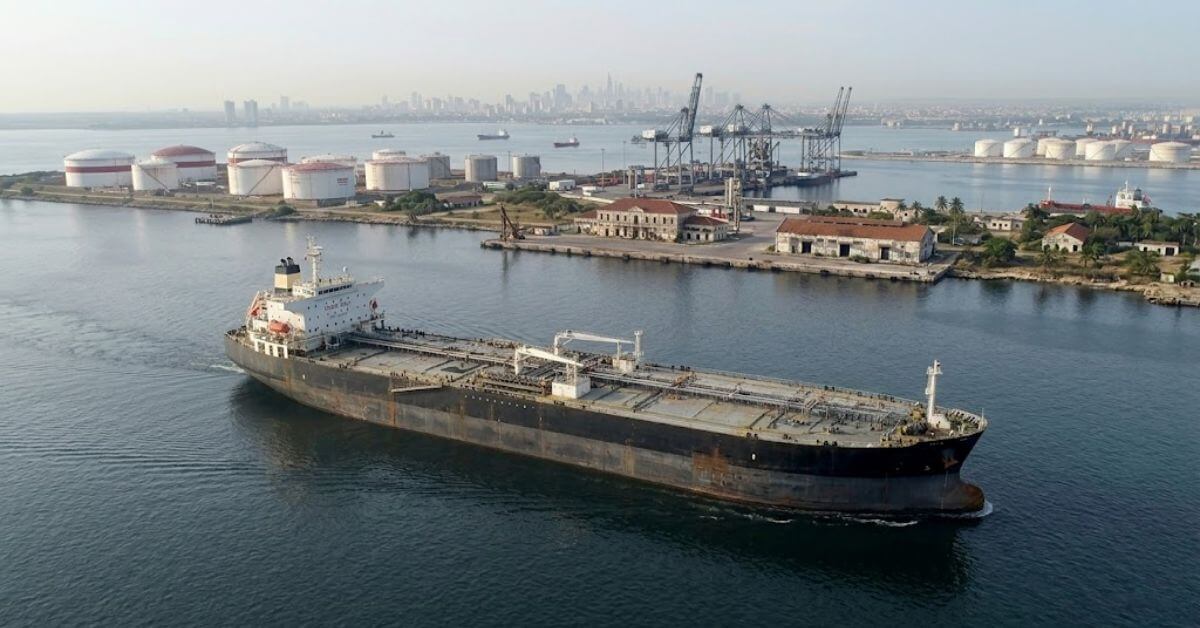
The recent U.S. approval for the sanctioned tanker, Anatoly Kolodkin, to proceed to Cuba underscores the intricate and often pragmatic nature of global maritime dynamics, particularly in regions where geopolitical tensions intersect with essential resource flows. This event, while seemingly a singular occurrence, offers a valuable lens through which to examine the complex interplay of international sanctions, diplomatic considerations, and the fundamental need for energy transport. From a data-driven perspective, such passages highlight the continuous flow of maritime traffic, even under restrictive regimes, and the critical importance of real-time monitoring to comprehend these subtle shifts in global trade and geopolitical strategy. Understanding these movements is not merely an academic exercise; it directly informs our comprehension of global supply chains and the resilience required in an interconnected world.
The decision to permit a sanctioned vessel to transit suggests a calculated assessment of competing interests. While sanctions aim to exert pressure and influence behavior, their application is rarely absolute when faced with immediate logistical or humanitarian considerations, such as ensuring energy supply to a specific nation. This scenario emphasizes the need for nuanced data collection and analysis that can differentiate between routine commercial activity and actions that may deliberately circumvent established international norms. World Data Ocean's commitment to an integrated data ecosystem allows for the aggregation and validation of such information, providing a clearer picture of maritime movements that might otherwise be obscured by diplomatic complexities. This empirical approach is crucial for discerning patterns and understanding the underlying drivers of these decisions, moving beyond immediate headlines to reveal the deeper currents at play.
Ultimately, the passage of the Anatoly Kolodkin serves as a potent reminder of the interconnectedness of our planet’s oceans and the human activities that traverse them. It reinforces the imperative for robust, validated data to inform our understanding of global trade, resource management, and geopolitical maneuverings. By focusing on measurable, longitudinal data, World Data Ocean aims to provide the scientific authority necessary to navigate these complexities, fostering a collaborative approach to ocean stewardship. Understanding these nuanced maritime dynamics is an essential component of responsible ocean governance, enabling us to better predict, adapt to, and ultimately protect our shared marine environment.