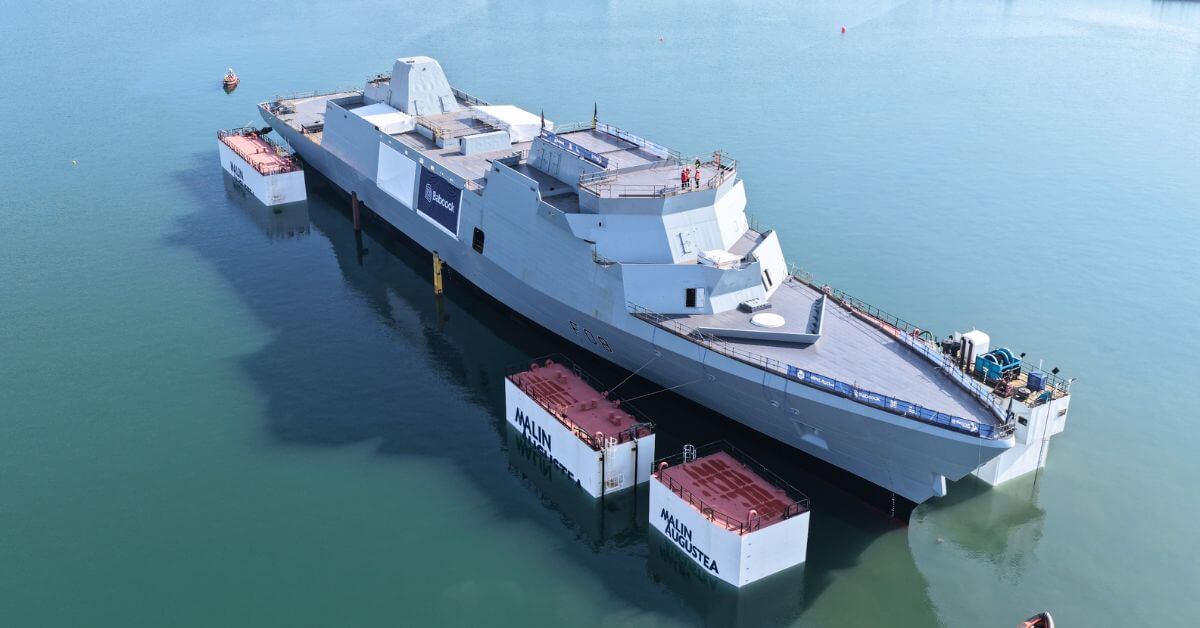
The recent decommissioning of the Royal Navy frigate HMS Active marks a significant moment, not just for naval history, but as a subtle yet potent reminder of the ongoing evolution of maritime technology and its intersection with our understanding of the marine environment. While the vessel’s operational service concludes, its story, particularly the mention of its integrated power systems, offers a valuable lens through which to consider the broader implications of technological advancement at sea. This transition from active duty to decommissioning underscores a continuous cycle of innovation, where lessons learned from one generation of technology inform the development of the next. For World Data Ocean, this cycle is intrinsically linked to our mission of fostering a deeper, data-driven comprehension of the oceans themselves.
The very existence of integrated power systems in vessels like HMS Active signifies a move towards greater efficiency and enhanced operational capabilities. These systems represent a sophisticated application of engineering principles, designed to optimize energy utilization and performance. As we at World Data Ocean analyze vast datasets, from satellite imagery to sensor readings, we see parallel advancements in how we are able to integrate and interpret information. Our focus on creating an integrated data ecosystem, powered by validated and measurable scientific inquiry, mirrors the engineering drive for synergy and effectiveness seen in advanced naval platforms. The progress in maritime technology, exemplified by HMS Active’s sophisticated power management, serves as a tangible illustration of the potential unlocked when complex systems are designed to work in concert, a principle we apply daily to the intricate workings of our planet’s oceans.
Ultimately, the decommissioning of HMS Active, while a naval event, resonates with our core purpose. It highlights the persistent pursuit of improvement and the vital role of technological progress in achieving defined objectives. For World Data Ocean, this means leveraging innovation to build a more comprehensive and accessible understanding of the marine world. The insights gained from studying the performance and evolution of such advanced systems, even indirectly, reinforce the importance of data integration, scientific rigor, and collaborative effort. Understanding drives protection, and as technologies at sea and in data science continue to advance, so too does our capacity to safeguard the vital resource that is our global ocean.