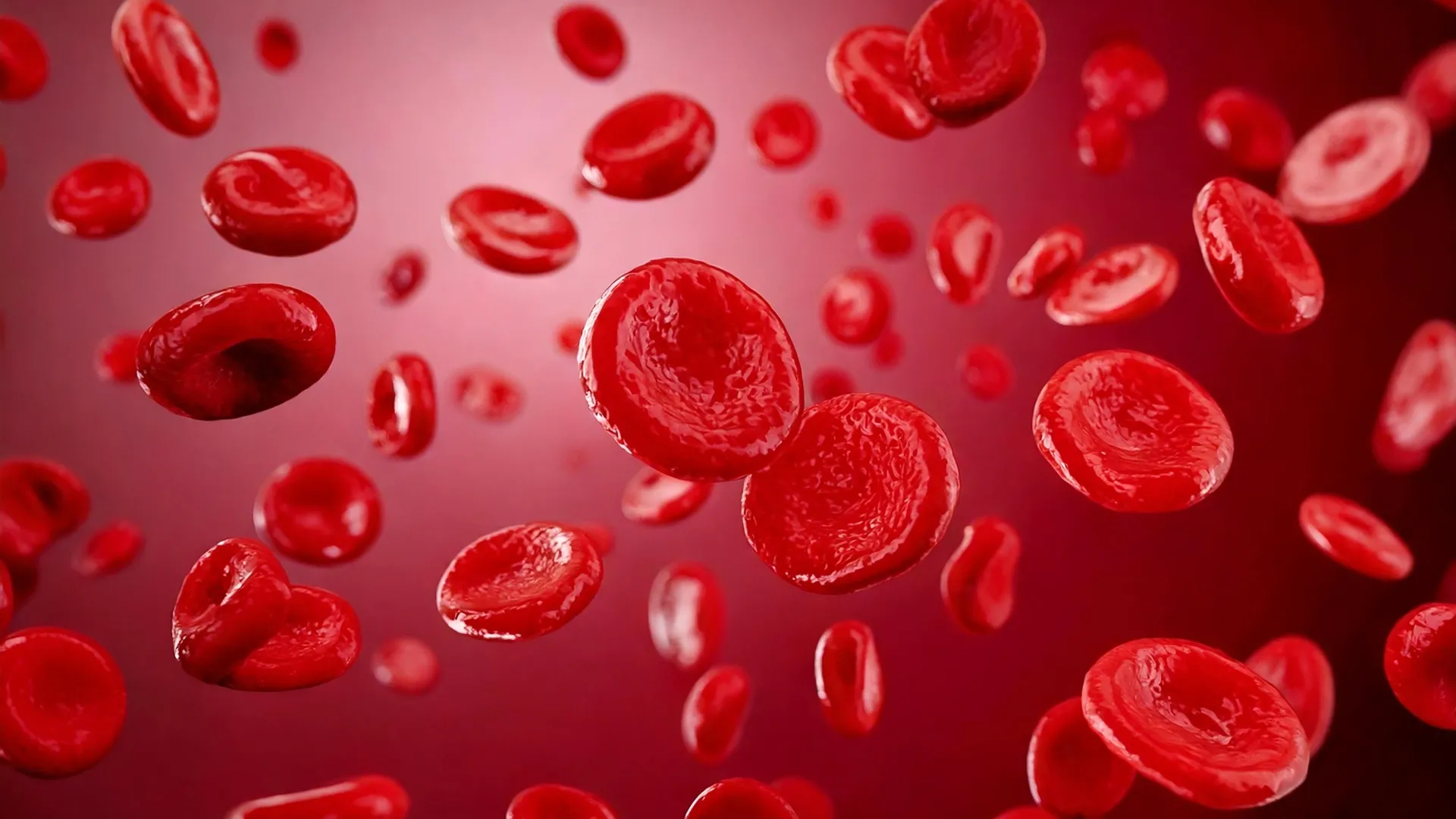
For more than two decades, the same carbon dioxide that drives atmospheric warming has been quietly altering the chemistry of human blood. Researchers analyzing U.S. health data found that blood bicarbonate levels have risen roughly 7 percent since 1999, while calcium and phosphorus have declined, tracking the steady climb of atmospheric CO2. This is not a speculative model or an extrapolated risk. It is a measured, empirical signal embedded in our physiology. And it raises a question we should not let go unanswered: if the air we breathe is changing what our blood carries, what else are we adapting to without noticing?
This study, drawn from longitudinal health records, offers a rare kind of clarity. It connects a global environmental trend to a specific, quantifiable shift in the human body. That is the kind of integrated observation we need more of, one that links climate indicators to health outcomes with real data. But it also asks something harder of us. For the reader who asks, "What does this mean for me?" the honest answer is: we do not yet know the full consequence, but we can no longer assume the human body is a closed system, untouched by the chemistry of the planet. The relationship between atmospheric CO2 and blood bicarbonate is a reminder that we are not observers of climate change. We are participants in it.
What makes this finding significant is not alarm, but calibration. The study does not claim that rising CO2 has caused a health crisis or that these shifts are inherently harmful. It shows a correlation over time, validated across a large dataset, and it points to a need for further research. That is the right scientific posture. But it would be a mistake to file this under "interesting but distant." The body's acid-base balance is not a trivial metric. It influences enzyme function, bone density, and kidney workload. A 7 percent rise in bicarbonate over a generation is the kind of change we would consider clinically relevant if it appeared in a drug trial. We should treat it with the same seriousness when it appears in the atmosphere.
The practical takeaway for our readers is direct: this is a signal to watch, not a reason for panic, but a reason for sustained attention. We would tell you to keep an eye on follow-up studies that examine whether these shifts affect long-term health outcomes, particularly in vulnerable populations like children, the elderly, or those with chronic conditions. And we would ask you to hold your leaders accountable for funding this kind of integrated research, because understanding the ocean of air we breathe is as urgent as understanding the ocean we study. The next dataset, the next decade, will tell us whether this is a benign adaptation or a quiet cost of our carbon habit. We intend to be watching, and we hope you will too.