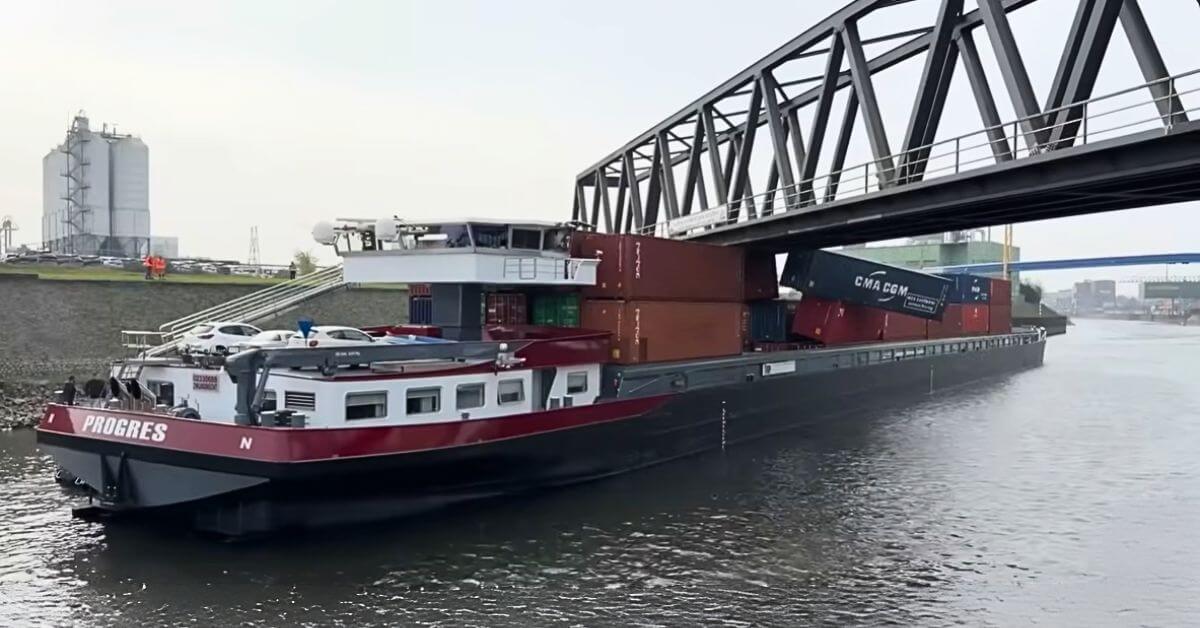
The recent disruption at Rhine port operations, stemming from a cargo ship's impact with a railway bridge, underscores the intricate and often fragile connections within global maritime infrastructure. While the immediate focus is on assessing damage and restoring functionality to the port's rail system, this incident serves as a potent reminder of the broader implications of such events. The Rhine, a vital artery for European commerce, relies on the seamless operation of its ports and the integrity of its supporting infrastructure. A single incident, however localized, can ripple outwards, affecting supply chains, economic activity, and the efficiency of global trade. This event highlights the critical need for robust oversight, advanced navigational aids, and stringent operational protocols to safeguard these essential transportation networks.
Beyond the immediate logistical concerns, this disruption also subtly points to the interconnectedness of our planet's systems. While the Rhine is a river, its operations are influenced by a multitude of factors, including weather, vessel traffic, and the structural integrity of the infrastructure that supports it. This incident, though specific to a riverine port, echoes the larger challenges we face in managing our oceans and waterways. The health of our oceans, much like the smooth flow of commerce along a river, depends on a complex interplay of environmental conditions and human activity. Understanding these connections, from the micro-level of a port to the macro-level of global ocean health, is fundamental to effective stewardship.
World Data Ocean is dedicated to illuminating these very connections through the application of innovative data science and a commitment to global collaboration. Our work focuses on developing integrated data ecosystems that provide real-time, measurable insights into the planet's most critical systems, including our oceans. By leveraging validated, empirical data, we aim to foster a deeper understanding of how events like this Rhine port disruption, while seemingly isolated, are part of a larger, interconnected global picture. Our goal is to empower researchers, policymakers, and the public with the clear, actionable ocean intelligence necessary to navigate the complexities of environmental stewardship and ensure the long-term health and resilience of our planet.