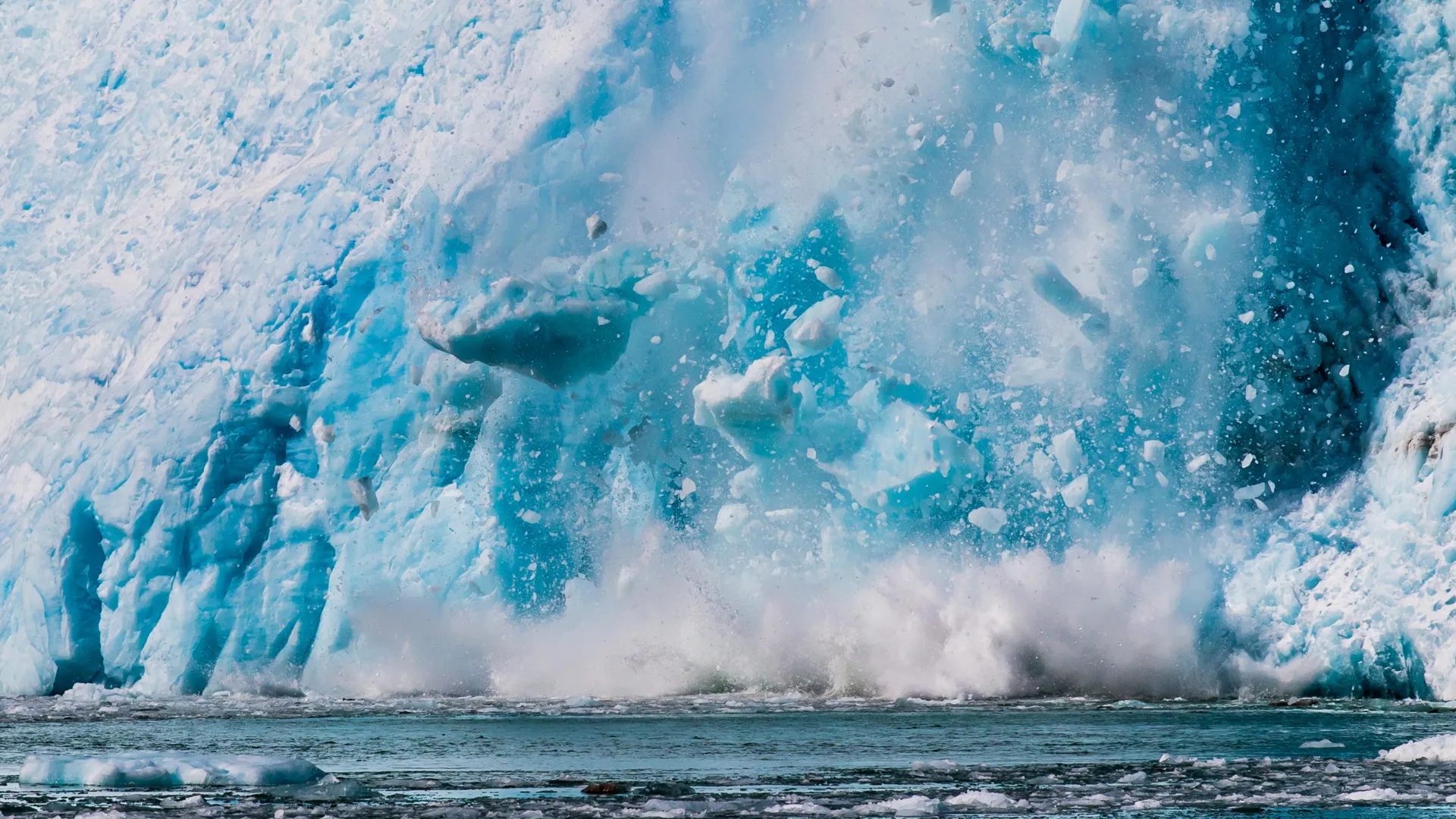
The recent, unprecedented collapse of Hektoria Glacier in Antarctica serves as a stark and urgent reminder of the dynamic nature of our planet's polar regions and the critical need for continuous, high-resolution monitoring. The speed at which this glacier retreated—eight kilometers in a mere two months, with nearly half its mass fracturing—is a phenomenon that demands scientific scrutiny. Our analysis, facilitated by integrated satellite and seismic data, reveals a critical underpinning: a flat, underwater bedrock surface that allowed the glacier to suddenly become buoyant and fracture from beneath. This event, captured in near real-time, underscores the interconnectedness of sub-ice topography, ice dynamics, and the potential for rapid, large-scale change.
This rapid disintegration of Hektoria Glacier is not an isolated incident but a consequence of complex, interacting physical processes. The flat bedrock, once submerged beneath the ice, provided a stable platform for the glacier to float, enabling warmer ocean waters to access its underside and initiate widespread fracturing. The ability to observe such a dramatic chain reaction through validated, measurable data streams highlights the power of our technological innovations in ocean intelligence. This validated data, collected with precision and analyzed with scientific rigor, provides empirical evidence that moves beyond speculation, allowing us to build a more accurate understanding of glaciological instability. The findings from Hektoria compel us to consider the potential for similar, rapid collapses in larger, more significant Antarctic glaciers, a prospect with profound implications for global sea levels.
World Data Ocean is committed to fostering a global, collaborative effort to understand and address these critical environmental shifts. The insights gleaned from events like the Hektoria Glacier collapse are vital for informing policymakers, researchers, and the public alike. By providing clear, accessible, and scientifically sound information, we aim to empower informed decision-making and encourage a shared sense of responsibility for ocean stewardship. Understanding the intricate mechanisms driving Antarctic instability, as revealed by our integrated data ecosystem, is not merely an academic pursuit; it is a fundamental step towards safeguarding our planet for future generations. These validated observations serve as crucial climate indicators, urging us toward purposeful action and a more resilient future.