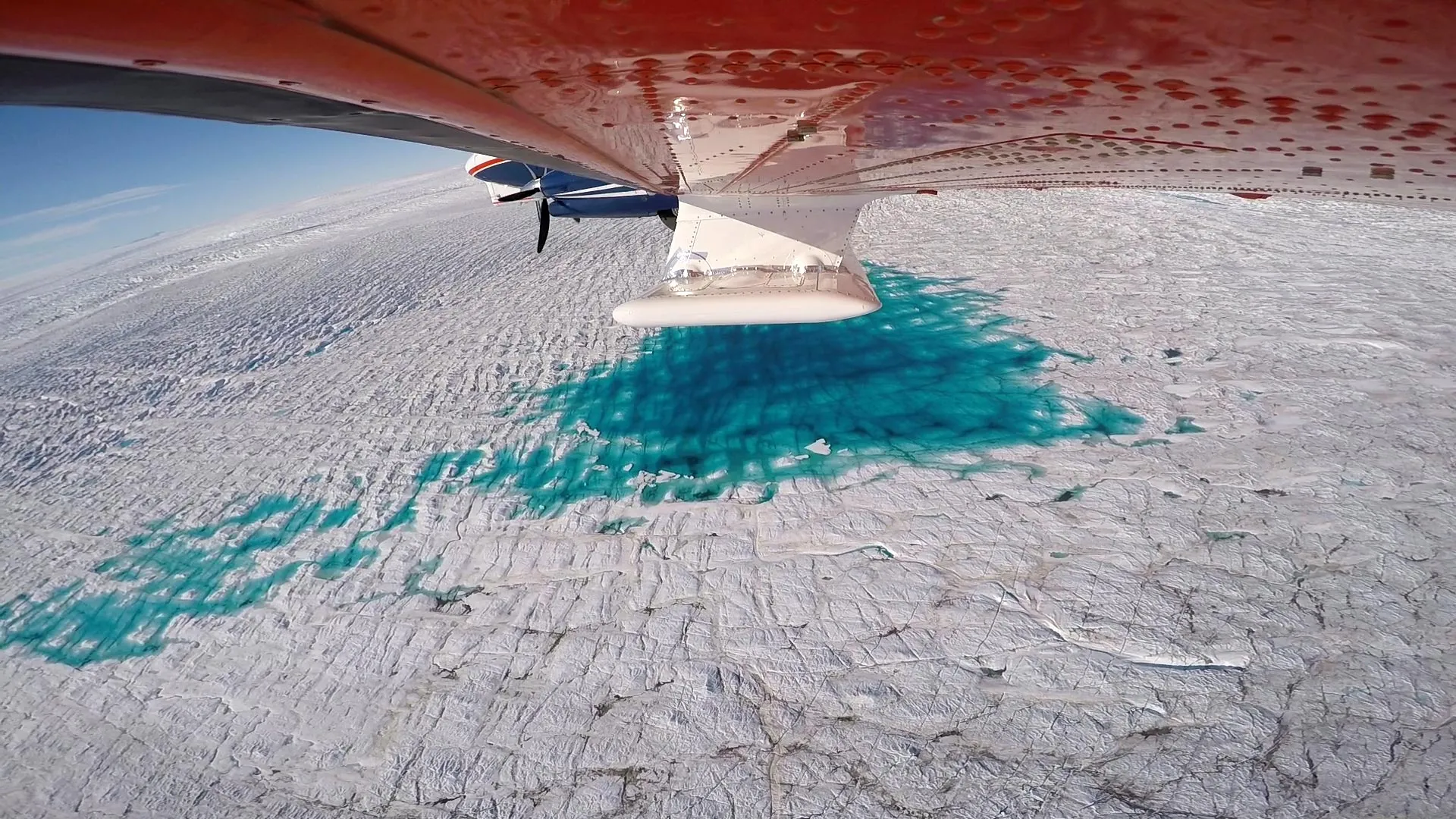
The recent observations from Greenland's 79°N Glacier offer a compelling, empirical case study in the dynamic interplay between surface meltwater and glacial mechanics. The accelerated drainage of a mid-1990s meltwater lake, occurring through sudden, dramatic bursts via ice cracks and vertical shafts, highlights a significant shift in the glacier's behavior. This phenomenon, characterized by the rapid formation of unique triangular fracture patterns and the swift inundation of the glacier's base, underscores the profound impact of meltwater accumulation and release on ice mass stability. The observation that some drainage events have caused the ice to bulge upward, akin to a blister, provides a tangible visualization of the immense pressures at play. These findings prompt critical scientific inquiry into the long-term resilience of such glacial systems and their capacity to revert to prior seasonal patterns.
These events are not isolated curiosities but rather indicators of a complex, feedback-driven system responding to changing environmental conditions. The acceleration of these drainage bursts in recent years suggests a potential tipping point, where the glacier’s structural integrity is being tested in novel ways. The development of distinct triangular fracture patterns is particularly noteworthy, indicating that the stress distribution within the ice is being altered by these rapid hydrological events. This empirical evidence from the field allows for the calibration of our understanding of glacial processes, moving beyond theoretical models to observed, measurable impacts. The implications extend beyond the immediate vicinity of the 79°N Glacier, offering valuable insights into the broader vulnerabilities of ice sheets in a warming climate.
World Data Ocean is dedicated to providing the validated, real-time data and integrated analysis necessary to comprehend such critical environmental shifts. By monitoring and interpreting these phenomena, we contribute to the global effort to foster ocean and cryosphere intelligence. Understanding these accelerated drainage patterns is not merely an academic pursuit; it is essential for informing policy, guiding adaptation strategies, and ultimately, promoting effective stewardship of our planet's vital ice resources. The urgency of this research is underscored by the potential for these processes to influence sea-level rise and regional climate patterns. Our commitment is to present this complex scientific information with the clarity and authority required for informed decision-making, ensuring that the scientific integrity of our findings is paramount.