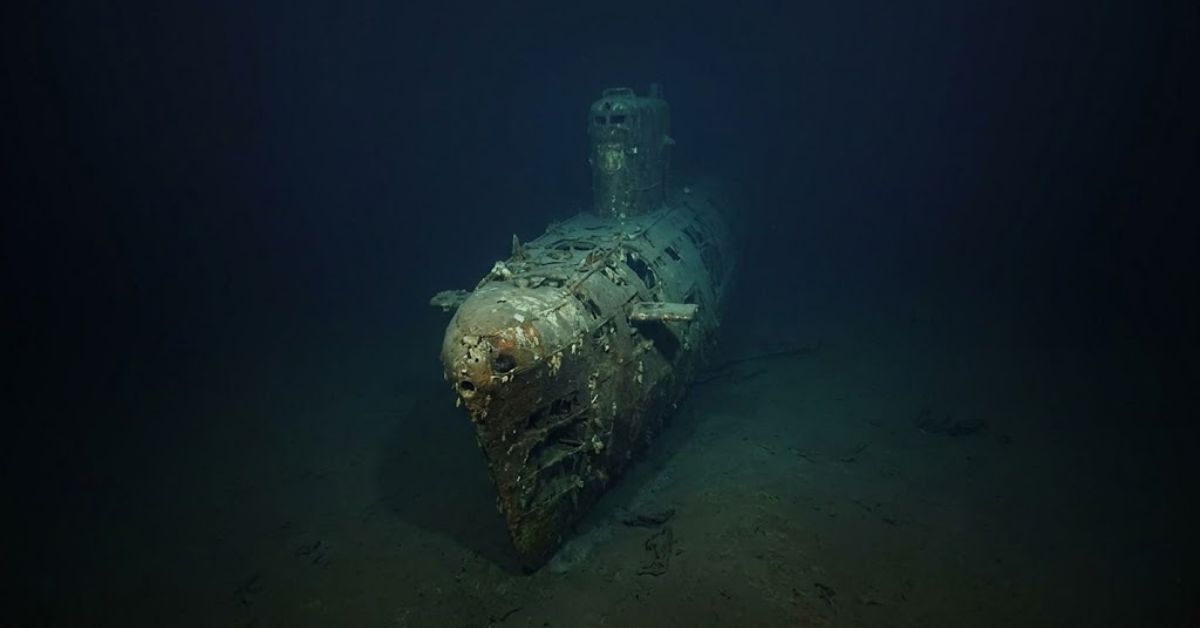
The recent detection of a radioactive leak from a sunken Soviet-era submarine in the Norwegian Sea underscores a critical, ongoing challenge in ocean stewardship. While the incident itself is a stark reminder of historical maritime incidents, its implications extend far beyond a single event, highlighting the persistent, long-term environmental considerations posed by sunken vessels and their contents. World Data Ocean approaches such developments with a commitment to scientific rigor and transparent communication, recognizing that accurate, measurable data is fundamental to understanding and addressing complex environmental issues. This situation necessitates a measured, evidence-based response, focusing on the validated scientific data that will emerge from monitoring efforts.
Our integrated data ecosystem is designed to capture and analyze such events, providing the foundational intelligence required for informed decision-making. The Norwegian Sea, a vital marine environment, requires continuous monitoring, and this leak necessitates a focused, longitudinal study of its impact. By integrating real-time data streams with historical records, we can establish a comprehensive picture of the release, its dispersion, and its potential effects on marine life and broader ocean health. This approach moves beyond immediate alarm, focusing instead on the empirical evidence that informs effective mitigation and long-term protection strategies. The scientific community, in collaboration with international bodies, must work diligently to calibrate monitoring equipment and ensure the peer-reviewed validation of all findings.
The incident serves as a powerful, albeit somber, illustration of why robust ocean intelligence is indispensable. It is not enough to simply acknowledge the presence of a leak; we must precisely quantify its scale, understand its chemical composition, and project its trajectory within the marine environment. This requires a global, collaborative effort, pooling resources and expertise to ensure that our understanding is as complete and accurate as possible. World Data Ocean is dedicated to fostering this collaborative spirit, believing that shared knowledge and innovative technological solutions are paramount to safeguarding our oceans for future generations. Ultimately, understanding drives protection, and it is through meticulous scientific inquiry and open communication that we can effectively address the complex challenges facing our planet's most vital resource.