Port Strikes Disrupt Operations At Hamburg, Rotterdam And Other Major European Shipping Hubs
Our take
The recent disruptions to operations at major European shipping hubs like Hamburg and Rotterdam, as reported by Hapag-Lloyd, underscore a growing fragility within global supply chains. These port strikes, impacting vessel operations, terminal work, and inland cargo transport, are not isolated incidents but rather symptomatic of broader labor disputes and increasing pressures on the maritime sector. The situation highlights the interconnectedness of global trade and the potential for localized conflicts to have cascading effects across continents. Smaller ports are demonstrating a proactive approach to adapting to evolving needs, as evidenced by their innovative, phased automation strategies Small Ports Don’t Need Rotterdam’s Budget To Automate – Here’s What They’re Doing Instead, proving that significant infrastructural upgrades aren’t always necessary to improve efficiency. The ripple effects are already being felt, and the long-term consequences require careful monitoring.
The immediate impact is predictably felt in increased shipping costs and delays, potentially fueling inflation and disrupting just-in-time inventory management systems that have become commonplace across many industries. These disruptions also add complexity to already strained geopolitical landscapes. The ongoing conflict in Ukraine, for example, continues to impact shipping routes and insurance rates, as demonstrated by recent incidents like the Ukrainian naval drone strike on a Russian support vessel Video: Ukrainian Naval Drone Hits Russian Offshore Support Ship In Sochi. The increasing frequency of such events, coupled with labor actions, paints a picture of a maritime environment facing escalating risks and uncertainty. The expansion of the Indian Register of Shipping into Hamburg signals a shift in global shipbuilding dynamics and the need for streamlined regulatory processes Indian Register of Shipping Expands To Hamburg To Connect European Suppliers With India’s Shipbuilding Boom, which could be further complicated by ongoing port congestion.
Beyond the immediate logistical challenges, these strikes and related disruptions expose a deeper issue: the need for greater resilience and diversification within global supply chains. The concentration of shipping activity in a relatively small number of major ports creates inherent vulnerabilities. A single disruption, whether due to labor action, weather events, or geopolitical instability, can have a disproportionate impact on global trade flows. Investment in alternative transportation routes, nearshoring of production, and the adoption of more robust supply chain management strategies are no longer optional but are becoming essential for mitigating future risks. Furthermore, the reliance on increasingly automated port systems, while offering potential efficiencies, also introduces new dependencies and potential points of failure.
Looking ahead, the ability of stakeholders—shipping companies, port authorities, and labor unions—to engage in constructive dialogue and find mutually agreeable solutions will be critical in preventing further disruptions. The long-term implications of these events are likely to accelerate the ongoing trend towards regionalization of supply chains and a renewed focus on building more localized and adaptable economic ecosystems. The question remains: will the current pressures force a fundamental rethinking of global trade infrastructure and risk management, or will the system continue to operate on a fragile equilibrium, perpetually vulnerable to unexpected shocks?
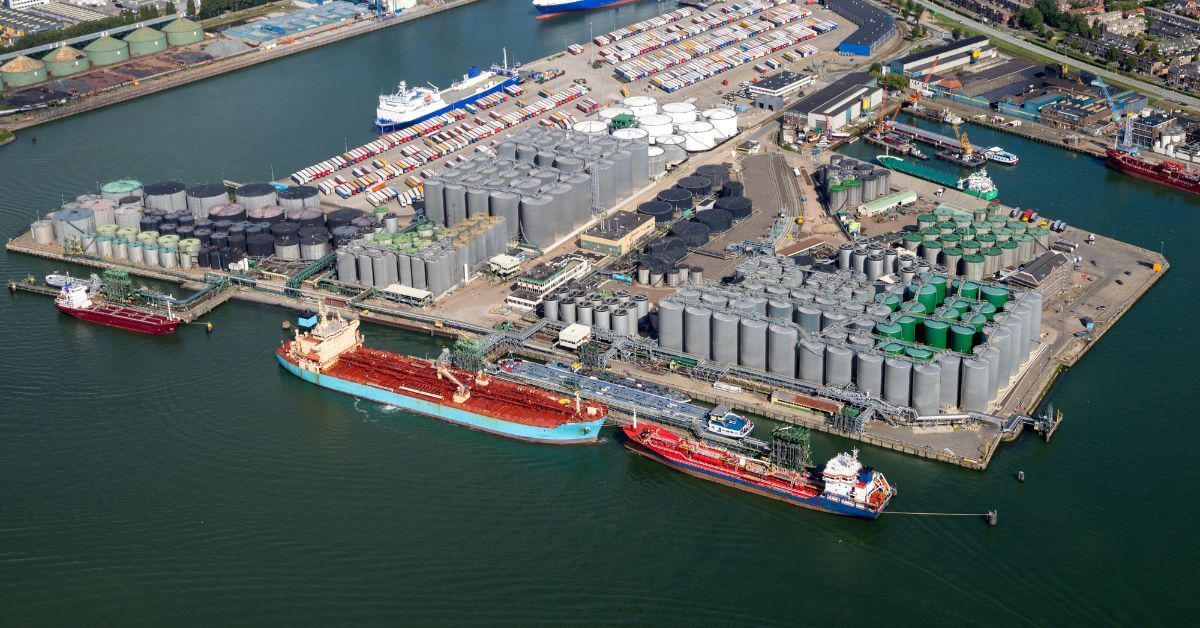
A 48-hour strike by port workers is disrupting operations at major German seaports, while workers at Rotterdam and other Dutch ports are preparing to strike on Friday, Sept. 4.
The German strike started with the late shift on Sept. 2 and affects Hamburg, Brake, Bremerhaven, Wilhelmshaven, Bremen, and Emden.
Hapag-Lloyd said the strike is affecting vessel operations, terminal work and inland cargo transport at German ports.
Dutch port workers will strike on Sept. 4 at Amsterdam, Rotterdam, and Zeeland. Hapag-Lloyd said the action could affect all Rotterdam terminals and cause delays to ships, cargo handling and inland transport.
The two strikes are not related. However, they are taking place at the same time at several major North European ports, which could delay the movement of cargo.
German port strike
The strike follows the breakdown of wage talks between the ver.di trade union and the Central Association of German Seaport Operators (ZDS).
More than 6,000 port workers took part in a union consultation on the latest offer from employers. Most workers rejected it.
The ZDS offered a 5.1% pay increase, backdated to Aug. 1, 2026, as part of an 18-month agreement. The increase would be at least €1.20 per hour.
Ver.di is asking for an 8.2% increase, or at least €2.50 per hour, under a 12-month agreement.
This is the second warning strike in the dispute. On Aug. 18, workers at Hamburg, Brake, Bremerhaven, Wilhelmshaven, Bremen, and Emden held a 24-hour strike.
The earlier strike slowed cargo handling and, in some places, brought operations to a temporary stop.
The current strike lasts 48 hours. In Hamburg, workers at HHLA’s Altenwerder, Burchardkai and Tollerort terminals are taking part. Workers at the Eurogate container terminal are also on strike.
Cargo handling is expected to be heavily restricted during the strike. Few larger vessels are expected to be handled at the Port of Hamburg.
The strike is also affecting inland transport. Trucks and other vehicles could face delays, while terminals may have to deal with congestion.
Dutch port workers prepare for strike
Dutch port workers are due to strike on Friday, Sept. 4. The action is being organised by FNV Havens and will affect Amsterdam Rotterdam, and Zeeland.
No ships are expected to be handled between 11:15 a.m. and 7 p.m. local time.
Loading, unloading, lashing, towing and cargo inspection could all be delayed.
Hapag-Lloyd said the Rotterdam action is scheduled from 11 a.m. to 7 p.m. and could affect all Rotterdam terminals.
Terminal operators have also warned about possible closures and limits on truck handling.
Containers moving into and out of Rotterdam could face problems with truck appointments, delayed delivery or pickup and temporary storage. Congestion could also continue after the strike as terminals deal with the cargo that has built up.
Tugboat services are also taking part, which could affect vessel movements in the ports.
The Dutch strike is separate from the dispute in Germany. FNV is protesting proposed government cuts of €6.5 billion to social security, including changes to unemployment and disability benefits.
FNV said workers from several port sectors are joining the strike.
Hapag-Lloyd said its teams are watching the situation and working with operational partners to reduce disruptions and limit the impact on supply chains.
References: joc, Hapag Lloyd
Read on the original site
Open the publisher's page for the full experience