Hamburg
7 stories filed under Hamburg on World Data Ocean. The newest of them: “He Dreiht Wind Farm Powers German Grid, Boosting Renewable Capacity”, “AI-Powered Vessel Design Integrates Ocean Data for Enhanced Efficiency”, and “European Port Disruptions Impact Shipping and Integrated Supply Chains”. The first turbines at the 960-megawatt He Dreiht offshore wind farm are now delivering electricity to the German grid, marking a substantial step in the country's renewable transition. At SMM 2026 in Hamburg, Shanghai Merchant Ship Design, CMA CGM, and Bureau Veritas signed a contract to integrate ocean data directly into vessel design. A Global Hub for Ocean Intelligence 4 World Data Ocean is a centralized digital platform where researchers, scientists, and ocean enthusiasts converge to… The list below is every Hamburg story on World Data Ocean, newest first.
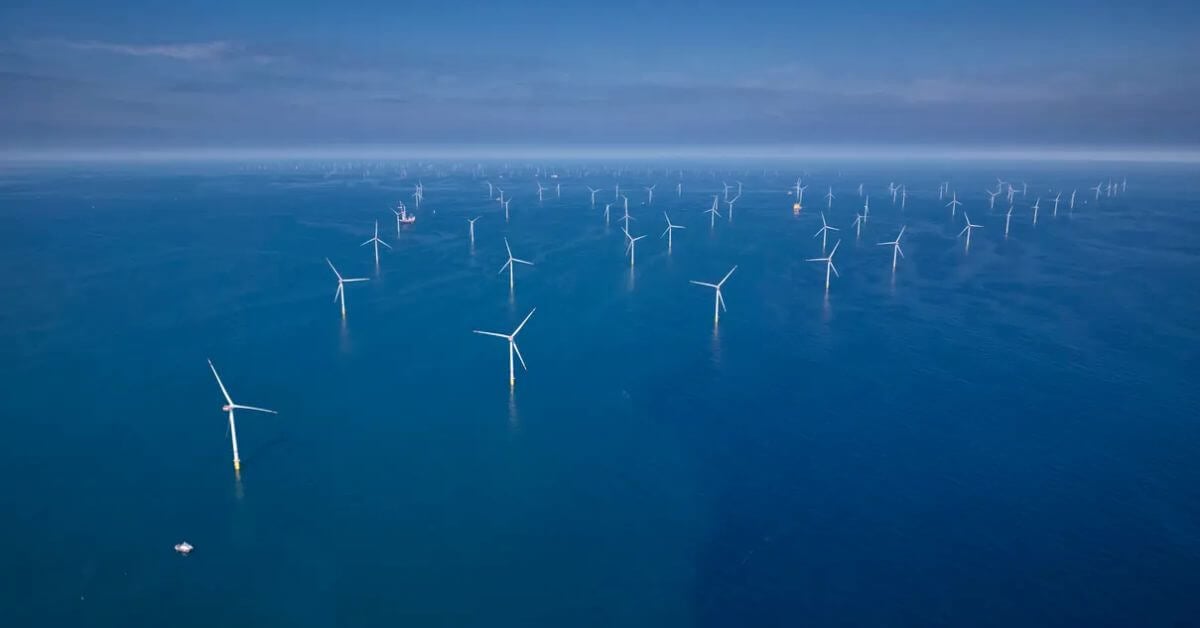
He Dreiht Wind Farm Powers German Grid, Boosting Renewable Capacity
The first turbines at the 960-megawatt He Dreiht offshore wind farm are now delivering electricity to the German grid, marking a substantial step in the country's renewable transition. This North Sea project demonstrates how measured, large-scale infrastructure can integrate clean power without theatrics. Germany's commitment to empirical progress is evident here. For broader context on how such energy shifts interact with marine policy, our related coverage, including the recent offshore lease reversal, offers a fuller picture. This is steady, data-driven advancement.
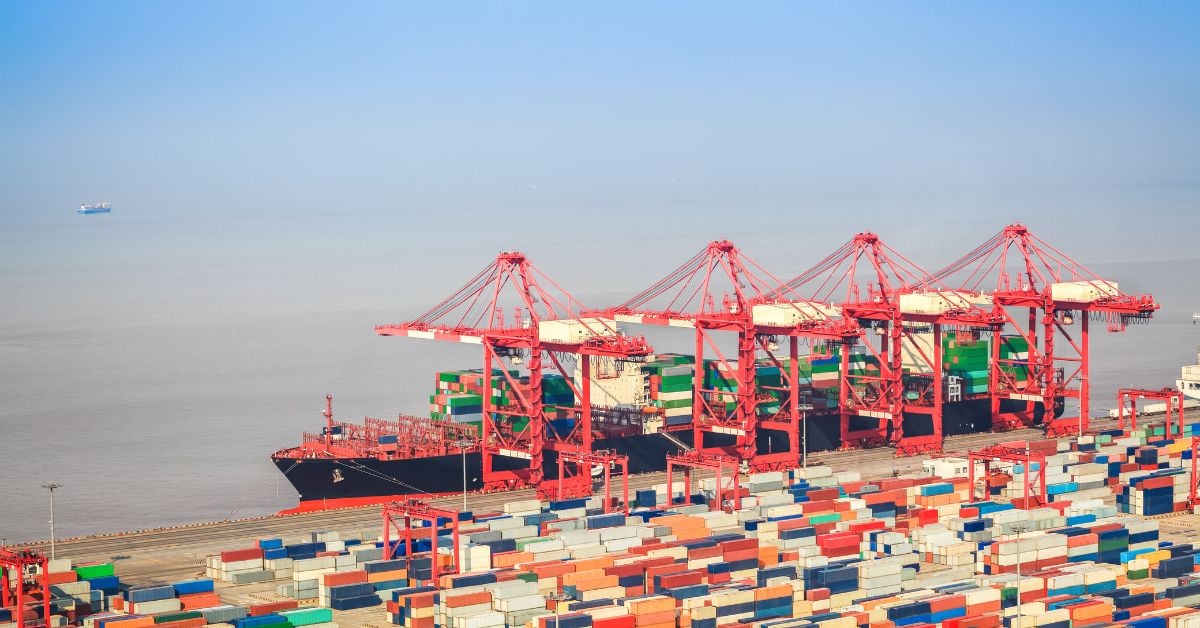
AI-Powered Vessel Design Integrates Ocean Data for Enhanced Efficiency
At SMM 2026 in Hamburg, Shanghai Merchant Ship Design, CMA CGM, and Bureau Veritas signed a contract to integrate ocean data directly into vessel design. This is not a small step; it is a calibrated move toward measurable efficiency. Pairing validated, real-time climate indicators with empirical engineering gives the industry a clearer path forward. For readers tracking maritime logistics, our coverage of the Strait of Hormuz shipping lane dispute offers useful context on why such efficiency matters now.
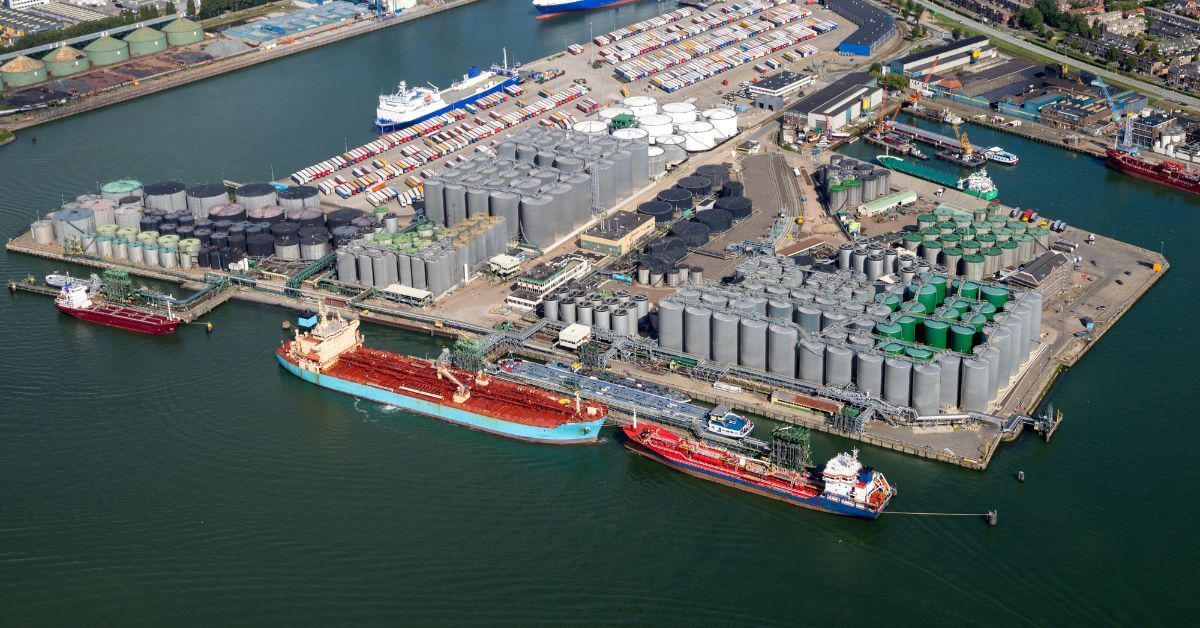
European Port Disruptions Impact Shipping and Integrated Supply Chains
Port-level disruption is rarely a local story. When Hapag-Lloyd confirms that strikes are hitting vessel operations, terminal work, and inland cargo movement at German ports, the ripple effect lands directly on integrated supply chains across Europe. This is where ocean intelligence meets operational reality. The bottleneck is not just a scheduling headache; it is a measurable test of how resilient our logistics networks truly are. We will be watching how carriers recalibrate, and how ports respond.
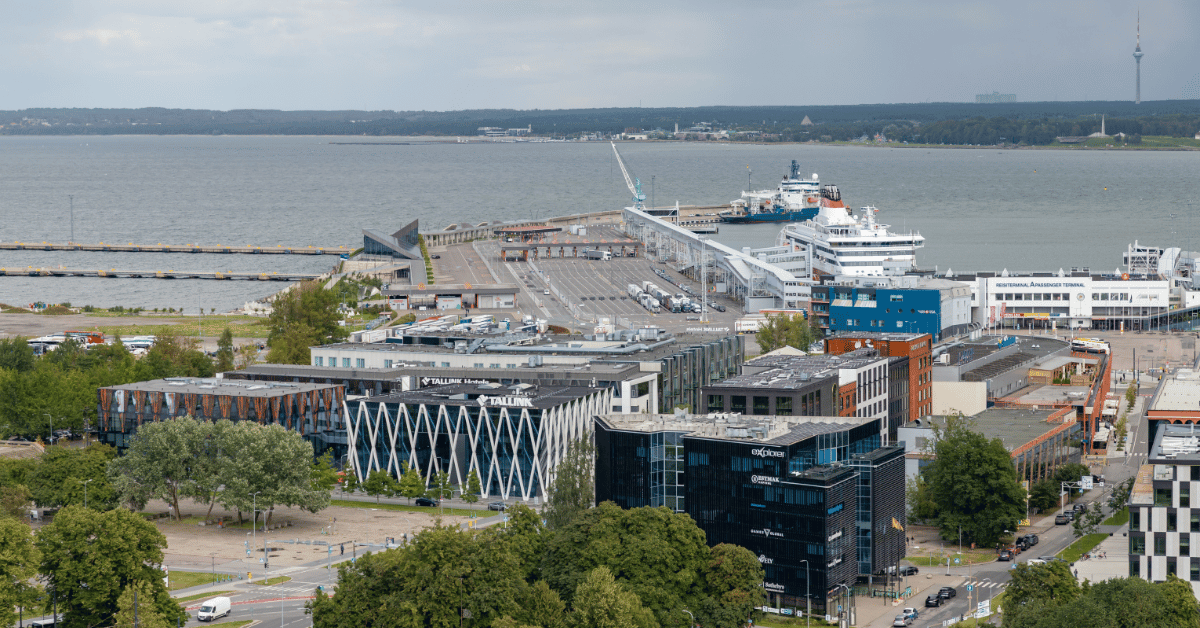
Expanding Reach: Indian Register of Shipping Connects with European Shipbuilding Partners
The Indian Register of Shipping has opened a Hamburg office, signaling a deliberate step toward deeper engagement with European shipbuilding partners. It is a move that makes sense: Europe remains a hub for engineering rigor, and proximity matters when collaboration depends on trust and technical alignment. This expansion is not about abrupt growth but measured integration into a mature maritime ecosystem.
India Charts Course for European Shipping Collaboration at SMM 2026
India's push for European shipping collaboration at SMM 2026 arrives as the sector confronts rising geopolitical and economic pressures. The gathering signals a deliberate move toward integrated maritime strategy, where shared data and calibrated responses matter more than unilateral action. This is not about optics; it is about building resilience. For those tracking the broader picture, our coverage of the bulk carrier freed near Gladstone offers a practical reminder of how operational challenges test that very resilience.

Bunker Fuel Quality Declines Amid Rising Prices and Alerts.
Marine fuel buyers entered 2026 facing a perfect storm, with bunker prices climbing to historic highs while fuel quality simultaneously declines. This convergence pressures operators who must balance cost against compliance and engine performance. The trend demands closer attention to fuel testing and supplier verification, as margin for error narrows with every grade. For context on how the industry is adapting to new fuel challenges, our coverage of the *Ammonia Bunkering Milestone* highlights a shift toward alternative solutions.

Port Disruptions Impact German Cargo Flow: A 24-Hour Strike Response
The strike began with the night shift on Aug. 17, halting cargo flow across six German ports, including Hamburg and Bremerhaven. A 24-hour work stoppage like this is a blunt reminder of how fragile supply chains remain. It is disruptive, but it is also a measured, legitimate labor action. For context on how quickly volumes can swing, our recent piece on record Chinese port activity shows the wider pressures at play. For now, the focus is on the docks.