Port Strikes
Port Strikes at World Data Ocean is a file of 2 stories. The newest of them: “European Port Disruptions Impact Shipping and Integrated Supply Chains” and “Sea of Azov: Armed Grain Ships Raise Export and Security Concerns.”. Port-level disruption is rarely a local story. The Sea of Azov now anchors a fraught equation: roughly one-quarter of Russia's grain exports move through its waters, and armed ships have turned that volume into a security flashpoint. A Global Hub for Ocean Intelligence 4 World Data Ocean is a centralized digital platform where researchers, scientists, and ocean enthusiasts converge to… The list below is every Port Strikes story on World Data Ocean, newest first.
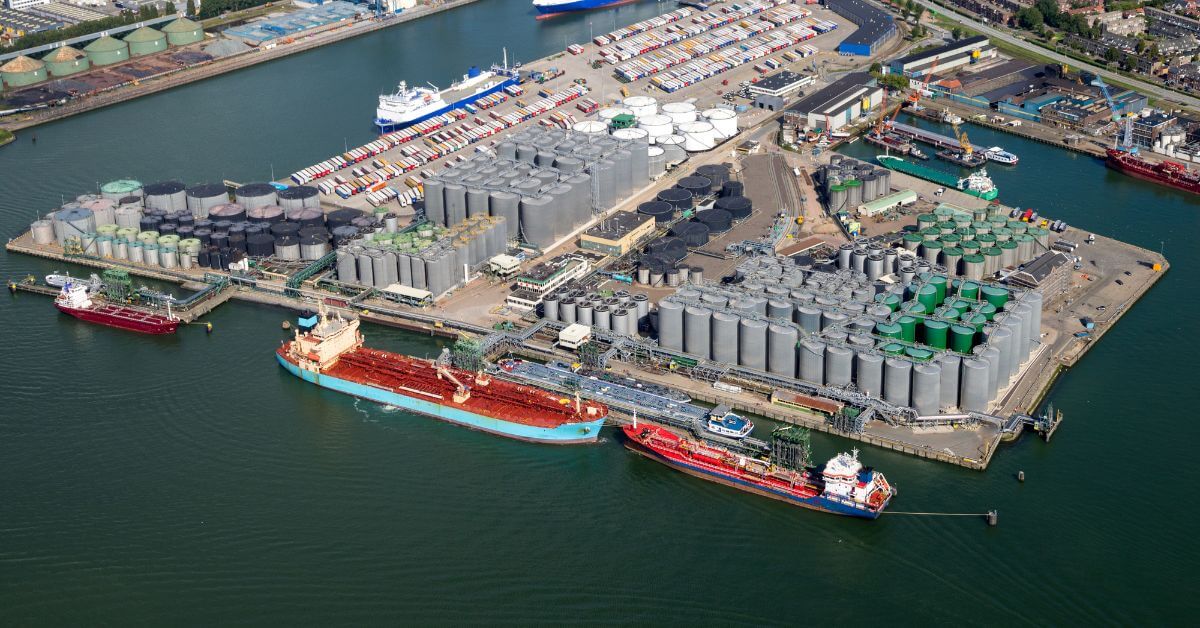
European Port Disruptions Impact Shipping and Integrated Supply Chains
Port-level disruption is rarely a local story. When Hapag-Lloyd confirms that strikes are hitting vessel operations, terminal work, and inland cargo movement at German ports, the ripple effect lands directly on integrated supply chains across Europe. This is where ocean intelligence meets operational reality. The bottleneck is not just a scheduling headache; it is a measurable test of how resilient our logistics networks truly are. We will be watching how carriers recalibrate, and how ports respond.

Sea of Azov: Armed Grain Ships Raise Export and Security Concerns.
The Sea of Azov now anchors a fraught equation: roughly one-quarter of Russia's grain exports move through its waters, and armed ships have turned that volume into a security flashpoint. When the world's largest wheat exporter militarizes a vital corridor, the stakes extend beyond cargo manifests. This is not abstract geopolitics; it is measurable pressure on global food flows. For deeper context on how Russia is recalibrating its maritime strategy elsewhere, our related piece on Arctic icebreaker funding offers a useful counterpoint.