Rotterdam
World Data Ocean keeps Rotterdam in one place: 5 stories so far. The section currently leads with “European Port Disruptions Impact Shipping and Integrated Supply Chains”, “Strategic Automation: Smaller Ports Achieve Efficiency Incrementally.”, and “Bunker Fuel Quality Declines Amid Rising Prices and Alerts.”. Port-level disruption is rarely a local story. A single gate. A Global Hub for Ocean Intelligence 4 World Data Ocean is a centralized digital platform where researchers, scientists, and ocean enthusiasts converge to… The list below is every Rotterdam story on World Data Ocean, newest first.
European Port Disruptions Impact Shipping and Integrated Supply Chains
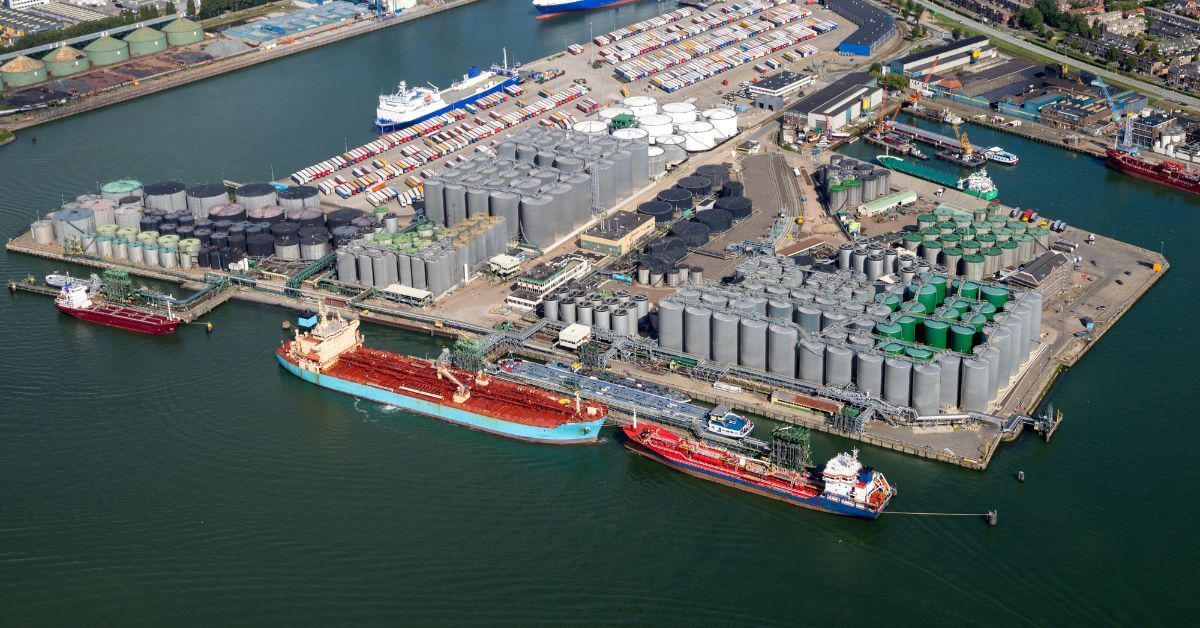
Port-level disruption is rarely a local story. When Hapag-Lloyd confirms that strikes are hitting vessel operations, terminal work, and inland cargo movement at German ports, the ripple effect lands directly on integrated supply chains across Europe. This is where ocean intelligence meets operational reality. The bottleneck is not just a scheduling headache; it is a measurable test of how resilient our logistics networks truly are. We will be watching how carriers recalibrate, and how ports respond.
Strategic Automation: Smaller Ports Achieve Efficiency Incrementally.
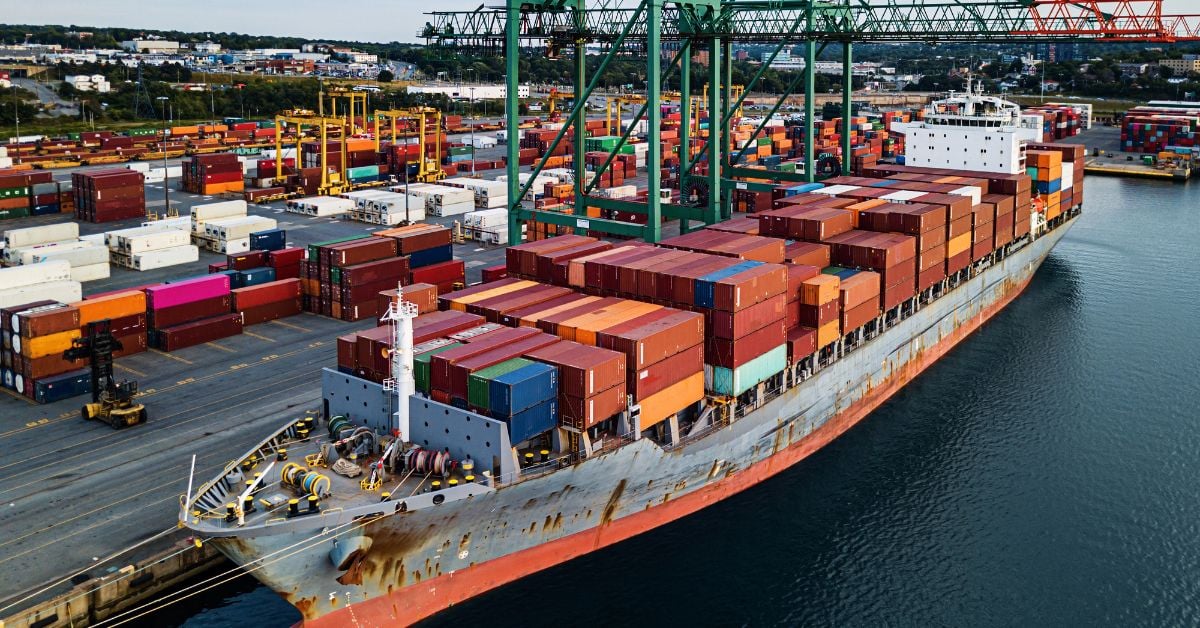
A single gate. One system. A single problem solved. That is how smaller ports are approaching automation, and it is working. Incremental change delivers measurable gains without the risk of a full-scale overhaul. This pragmatic path matters as global trade shifts. For context on how much is at stake, China's record port activity shows the pressure building elsewhere. But here, the focus stays local. Strategic automation is not about doing everything at once. It is about starting, calibrating, and building real momentum from validated progress.

Bunker Fuel Quality Declines Amid Rising Prices and Alerts.
Marine fuel buyers entered 2026 facing a perfect storm, with bunker prices climbing to historic highs while fuel quality simultaneously declines. This convergence pressures operators who must balance cost against compliance and engine performance. The trend demands closer attention to fuel testing and supplier verification, as margin for error narrows with every grade. For context on how the industry is adapting to new fuel challenges, our coverage of the *Ammonia Bunkering Milestone* highlights a shift toward alternative solutions.

South Korea Charts Arctic Route, Balancing Commerce and Geopolitical Concerns
South Korea's first Arctic-bound ship to Europe is a calculated test, not a statement. The route's commercial viability hinges on ice-free seasons and cost efficiency, yet the geopolitical undertow is undeniable. Western backlash over Russian cooperation complicates what might otherwise be a straightforward logistics calculation. We see a nation weighing measurable gains against diplomatic friction, a balance requiring calibrated judgment. For deeper context on Moscow's Arctic ambitions, our related piece, "Russia Calibrates Export Revenue for Northern Sea Route Icebreaker Fleet," outlines the financial stakes.

Rhine River Lows: Disruptions Loom for European Supply Chains.
The Rhine's falling water levels are more than a seasonal inconvenience; they are a looming fracture for European logistics. As the river risks splitting into two disconnected zones, the halt of shipping on this critical stretch threatens to sever a vital artery for continental trade. This is a measurable disruption, a clear climate indicator demanding attention. For context on how environmental stress is reshaping global routes, our coverage of reduced canal transits offers a broader perspective.