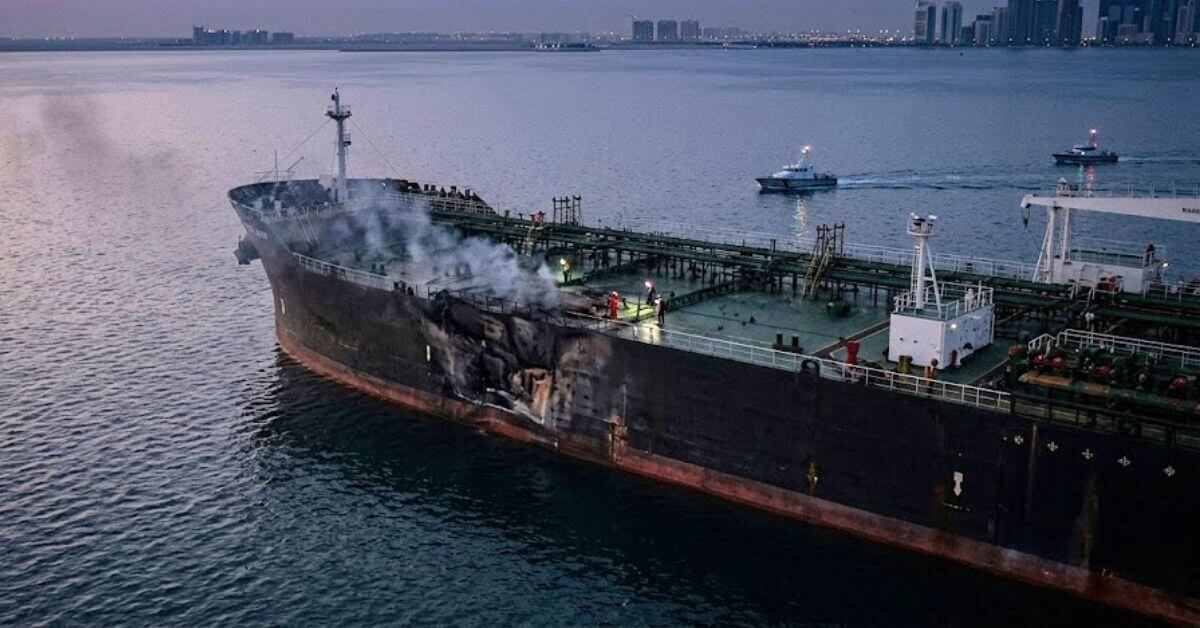
The recent missile strike impacting a QatarEnergy-leased tanker in the Persian Gulf, occurring approximately 17 nautical miles north of the world's largest liquefied natural gas export facility, underscores the critical intersection of geopolitical stability and global energy security. This incident, while specific in its location and immediate impact, resonates with broader concerns about maritime safety and the vulnerability of vital shipping lanes. At World Data Ocean, we view such events through the lens of their potential to disrupt the flow of essential resources and highlight the complex, interconnected systems that govern global trade and energy. Our focus remains on providing the validated, real-time data and ocean intelligence necessary to understand these dynamics, enabling informed decision-making for all stakeholders.
The proximity of this incident to a major LNG export facility is particularly significant, emphasizing the strategic importance of this region for global energy markets. Reliable access to energy resources is fundamental to economic stability and societal well-being worldwide. Events that threaten the security of these supply chains, whether through direct conflict or other disruptions, necessitate a comprehensive understanding of the maritime environment. This includes not only the physical pathways of trade but also the geopolitical forces that can influence them. Our commitment to developing an integrated data ecosystem aims to provide a clearer, more measurable picture of these interconnected risks, supporting efforts to enhance resilience and predictability in global energy logistics.
Understanding drives protection. This principle is at the heart of our work at World Data Ocean. The incident serves as a stark reminder that the ocean is not merely a passive medium for transit but a dynamic environment where global interests converge and where risks can manifest unexpectedly. By offering calibrated, empirical data and fostering collaborative analysis, we empower researchers, policymakers, and industry leaders to anticipate and mitigate potential threats. Our mission is to translate complex maritime realities into actionable insights, reinforcing the importance of a shared responsibility for maintaining secure and stable oceans that are essential for both economic prosperity and environmental health.