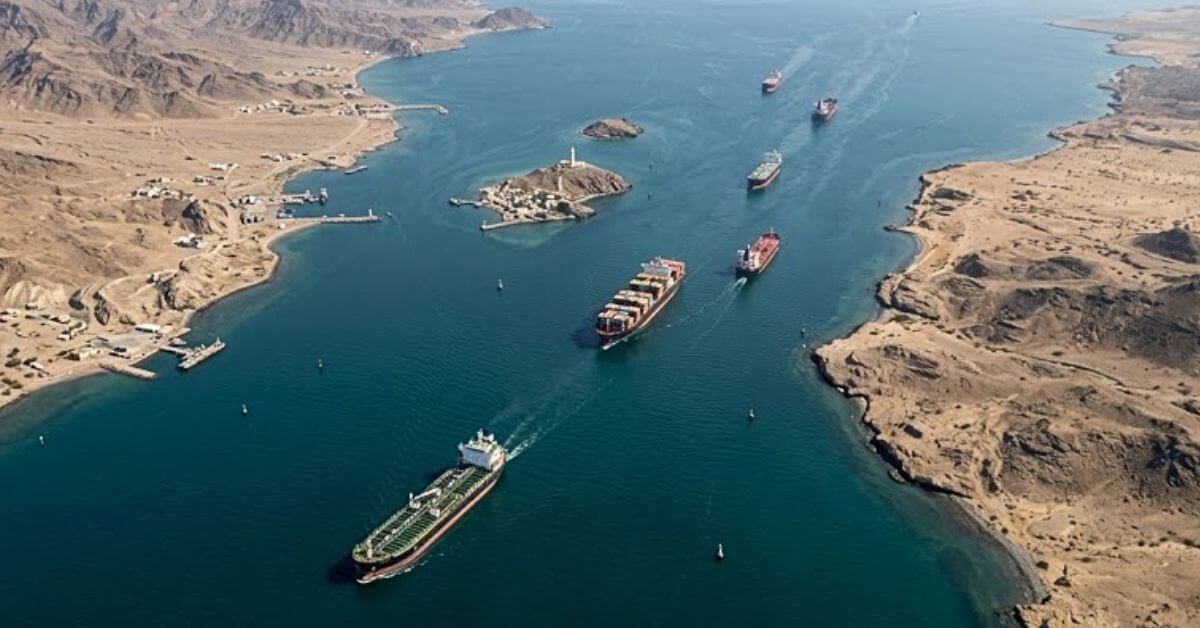
The recent announcement regarding Pakistani vessels transiting the Strait of Hormuz under a new agreement with Iran signifies a notable development in regional maritime dynamics. This arrangement, allowing for two crossings daily, underscores the intricate geopolitical considerations that shape global trade routes and the critical importance of ensuring unimpeded access to vital waterways. From a data-driven perspective, the Strait of Hormuz represents a crucial nexus for the movement of goods and resources, and any shifts in its operational status have measurable implications for supply chains and economic stability worldwide. World Data Ocean monitors such developments not for their geopolitical commentary, but for their potential impact on maritime traffic, resource flow, and the broader oceanic environment. Our focus remains on the objective data that underpins these movements, providing validated insights into patterns and potential consequences.
Understanding the flow of maritime traffic through strategically vital chokepoints like the Strait of Hormuz is fundamental to a comprehensive view of global oceanic activity. This agreement, while primarily a bilateral diplomatic achievement, has downstream effects that resonate across the integrated data ecosystem we strive to build. The efficiency and predictability of transit directly influence shipping times, fuel consumption, and the overall carbon footprint of maritime transport. By tracking these movements, we contribute to a more nuanced understanding of how geopolitical events translate into tangible environmental and economic metrics. Our commitment lies in transforming raw data into actionable intelligence, allowing stakeholders to make informed decisions based on empirical evidence rather than speculation.
The ability to accurately monitor and analyze maritime movements, especially through sensitive regions, is paramount for fostering ocean stewardship and promoting global collaboration. This agreement highlights the interconnectedness of international relations and the ocean, demonstrating how political decisions can directly influence oceanic pathways. World Data Ocean’s role is to provide the scientific authority and technological innovation necessary to comprehend these complex interactions. We aim to empower researchers, policymakers, and industry leaders with the clear, measurable data required to navigate challenges and identify opportunities for sustainable practices. By focusing on validated, real-time information, we reinforce the understanding that informed action is the most effective path towards protecting our shared ocean resources.