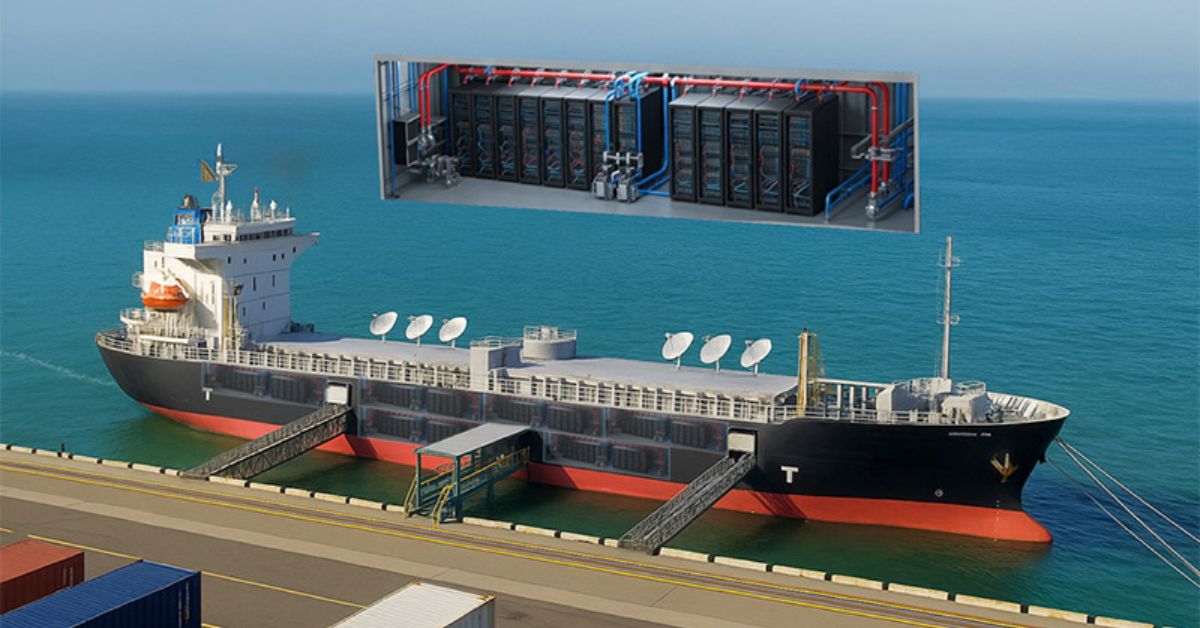
The convergence of burgeoning data demands and the imperative for sustainable innovation presents a compelling opportunity within the maritime sector. As the need for robust data centres and advanced generative AI systems escalates, the prospect of repurposing existing maritime infrastructure offers a scientifically sound and environmentally conscious pathway forward. This approach aligns directly with the principles of responsible ocean stewardship, transforming underutilized or obsolete assets into vital components of a modern, data-driven ecosystem. By integrating cutting-edge technology with established maritime foundations, we can forge a new paradigm that enhances operational efficiency, supports crucial research, and contributes to a more sustainable future for our oceans.
This initiative represents a significant stride in developing intelligent maritime operations. The concept of leveraging recycled maritime infrastructure for data hubs underscores a commitment to innovation while acknowledging the environmental realities of resource management. It’s about creating a measurable impact by minimizing waste and maximizing utility. Such data centres, powered by the very industry they serve, can provide the real-time processing capabilities necessary for complex AI applications, from predictive maintenance and route optimization to advanced environmental monitoring. This is not merely about building more infrastructure; it is about building smarter, more integrated systems that utilize existing resources with scientific rigor and forward-thinking design, ultimately strengthening our collective ability to understand and protect the global ocean.
The implications for ocean intelligence are profound. An integrated data ecosystem, supported by these strategically located and sustainably conceived data hubs, will accelerate our capacity to gather, analyze, and disseminate vital oceanographic information. This empirical approach, grounded in validated data and peer-reviewed methodologies, is essential for addressing the complex challenges facing our marine environments. By fostering collaboration and enabling seamless data exchange, these hubs can become central nodes in a global network dedicated to advancing ocean science. The focus remains on purposeful development, ensuring that technological advancements directly contribute to measurable improvements in ocean health and informed decision-making for policymakers and researchers alike, reinforcing the understanding that drives protection.