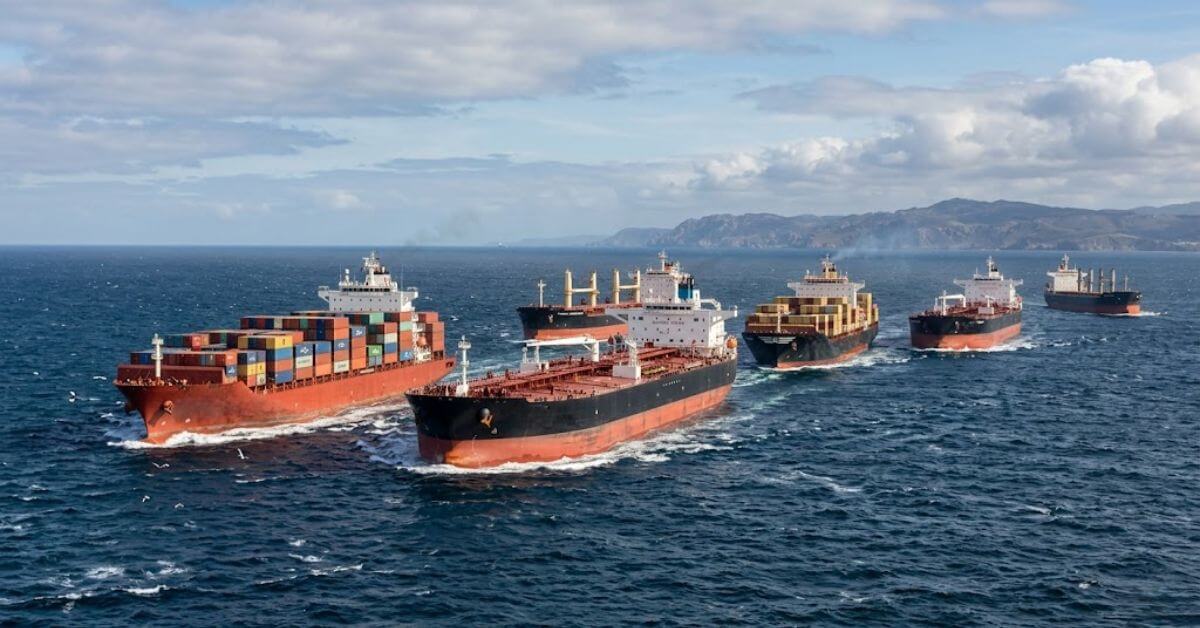
The Strait of Hormuz, a vital global artery for maritime trade, is currently experiencing significant disruption, with naval transit restricted and Turkey awaiting approval from Iran for the passage of its vessels. This situation underscores the complex interplay between geopolitical events and essential global infrastructure. Since the commencement of recent conflicts, only a single Turkish ship has been granted passage, and this exception was contingent on its prior call at an Iranian port. This limitation highlights the immediate impact of regional instability on the free movement of goods and resources, with implications extending far beyond the immediate geographic area. Understanding these dynamics requires a clear-eyed assessment of the data, moving beyond sensationalism to focus on the measurable consequences for international commerce and supply chains.
World Data Ocean recognizes that such disruptions are not isolated incidents but rather symptoms of a larger, interconnected system. Our commitment lies in providing the validated, real-time data necessary to comprehend these complex scenarios. By integrating information from diverse sources, from satellite imagery to vessel tracking and geopolitical analysis, we aim to construct a comprehensive ocean intelligence picture. This allows for a more nuanced understanding of how events in one region can cascade through global trade routes, affecting everything from energy prices to the availability of essential goods. The current situation in the Strait of Hormuz serves as a stark reminder of the importance of robust, accessible data for informed decision-making and proactive mitigation strategies in an increasingly volatile world.
Our focus remains on empowering researchers, policymakers, and industry stakeholders with the empirical insights needed to navigate these challenges. The restricted transit in the Strait of Hormuz is a critical climate indicator in the broader context of global trade stability and its susceptibility to geopolitical pressures. Through our integrated data ecosystem, we strive to offer a calibrated view of these events, enabling a better understanding of their immediate and long-term impacts. Ultimately, this pursuit of measurable, peer-reviewed knowledge is fundamental to fostering a more resilient and sustainable global maritime environment, where understanding drives effective stewardship and collaborative solutions.