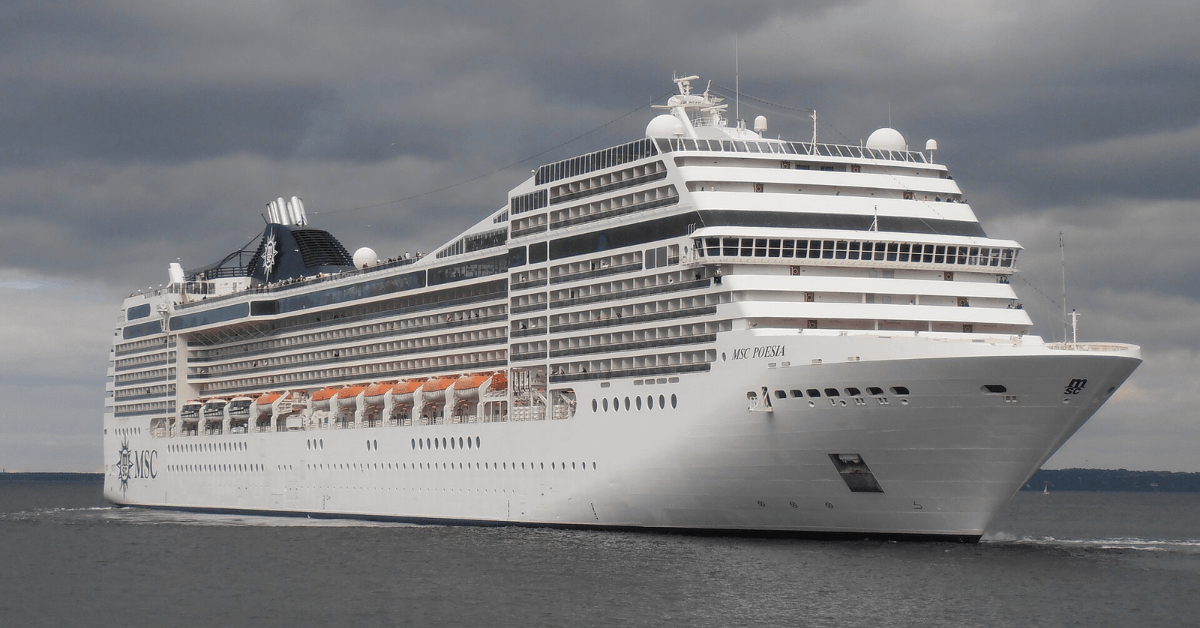
The 11-day detention of MSC Poesia in Miami for an alleged "magic pipe" oil discharge is not an isolated incident, it is a systemic failure that regulators must treat with the same rigor they apply to other environmental crimes at sea. The Coast Guard's decision to hold the vessel and launch a criminal investigation sends a clear signal: tampering with waste systems to bypass oil-disposal rules is a serious offense, not a "regulatory matter" to be quietly resolved. For our readers, whether they are researchers tracking pollution patterns, policymakers crafting enforcement frameworks, or cruise passengers who assume their vacation does not come at the ocean's expense, this case raises urgent questions about accountability and transparency.
The facts are stark. A U.S. official confirmed that the probe targets crew members, the vessel owner, and anyone directly liable. The "magic pipe" arrangement, routing oily bilge waste through the gray water system, is a deliberate circumvention of federal law, and the Coast Guard's expanded examination found deficiencies that warranted holding a ship carrying more than 2,000 passengers. MSC Cruises has not yet commented on the criminal investigation, but the company's initial characterization of the issue as a "regulatory matter" suggests a pattern of downplaying violations. Past cases offer a benchmark: in 2016, Princess Cruises admitted to seven felonies for oily waste dumping and paid a record $40 million fine. That penalty did not end the practice, and this case proves it.
What does this mean in practical terms? For ocean scientists and advocates, every illegal discharge adds a layer of unmeasured pollution to an already stressed marine environment. Oil waste, even in small volumes, degrades water quality and harms ecosystems, and the deliberate concealment of such discharges undermines the integrity of monitoring systems that rely on empirical data. For the cruise industry, the message is that U.S. ports are not passive hosts, they are inspection points where foreign-flagged vessels must meet the same standards applied to domestic fleets. The 11-night Caribbean itinerary that was canceled, with full refunds issued, represents a tangible financial consequence, but the larger cost is reputational and regulatory. If the investigation confirms criminal liability, the penalties could reshape how cruise lines manage waste across their entire fleets.
The open question is whether this case will trigger broader reforms. The Coast Guard's authority to detain foreign-flagged ships is well established, but the industry's reliance on self-reporting and port-state inspections remains uneven. Our takeaway is direct: the MSC Poesia case is not a one-off scandal, it is a test of whether enforcement mechanisms are calibrated to deter repeat offenders. We will be watching for the results of the criminal probe and for any legislative or operational changes that follow. The ocean does not have a magic pipe to carry away the consequences of our choices.