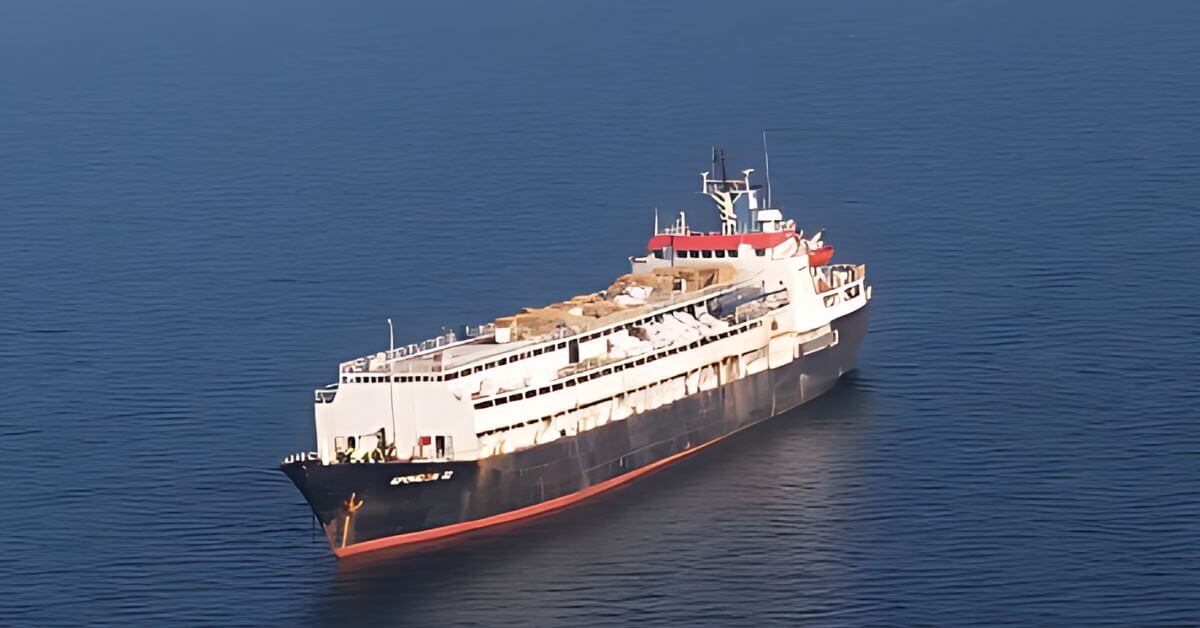
Mortality at Sea: Data Highlights Conditions Aboard Livestock Carrier
The recent incident involving the livestock carrier, carrying approximately 2,901 cattle from Uruguay to Turkey, underscores a critical need for precise data and transparent reporting on maritime conditions affecting animal welfare and global trade. The refusal of entry by Turkish authorities, attributed to issues with import documentation, highlights the complex interplay of regulatory adherence, logistical challenges, and the inherent vulnerabilities of long-distance animal transport. While the immediate cause of refusal was administrative, the underlying conditions aboard such vessels, particularly during extended voyages or unexpected delays, warrant rigorous scientific examination. World Data Ocean’s commitment to integrating diverse datasets offers a pathway to understanding these complex scenarios, moving beyond anecdotal evidence to establish measurable insights into the factors impacting animal health and the efficacy of international shipping protocols.
Our approach prioritizes the collection and analysis of empirical data that can illuminate the realities faced by livestock during transit. This includes not only the logistical and regulatory aspects but also the environmental conditions within the vessel, such as temperature, humidity, and air quality, all of which are critical to animal well-being. Furthermore, by integrating real-time monitoring capabilities with historical shipping data, we can identify patterns and potential risk factors associated with prolonged voyages, port congestion, or unforeseen circumstances like documentation discrepancies. This data-driven perspective is essential for developing more robust and humane transport standards, ensuring that international trade practices align with our collective responsibility for animal welfare and sustainable maritime operations.
The incident serves as a stark reminder that effective ocean stewardship extends beyond environmental protection to encompass the ethical treatment of all beings that traverse marine pathways. By applying a scientific lens to the conditions aboard vessels like the one in question, World Data Ocean aims to provide the validated, measurable data necessary for informed decision-making. This integrated data ecosystem allows researchers, policymakers, and industry stakeholders to collaborate on solutions that enhance transparency, improve animal welfare, and ensure the integrity of global supply chains. Understanding drives protection, and in this instance, a deeper, data-informed understanding of conditions at sea is paramount to preventing future instances of animal distress and ensuring the responsible conduct of maritime commerce.