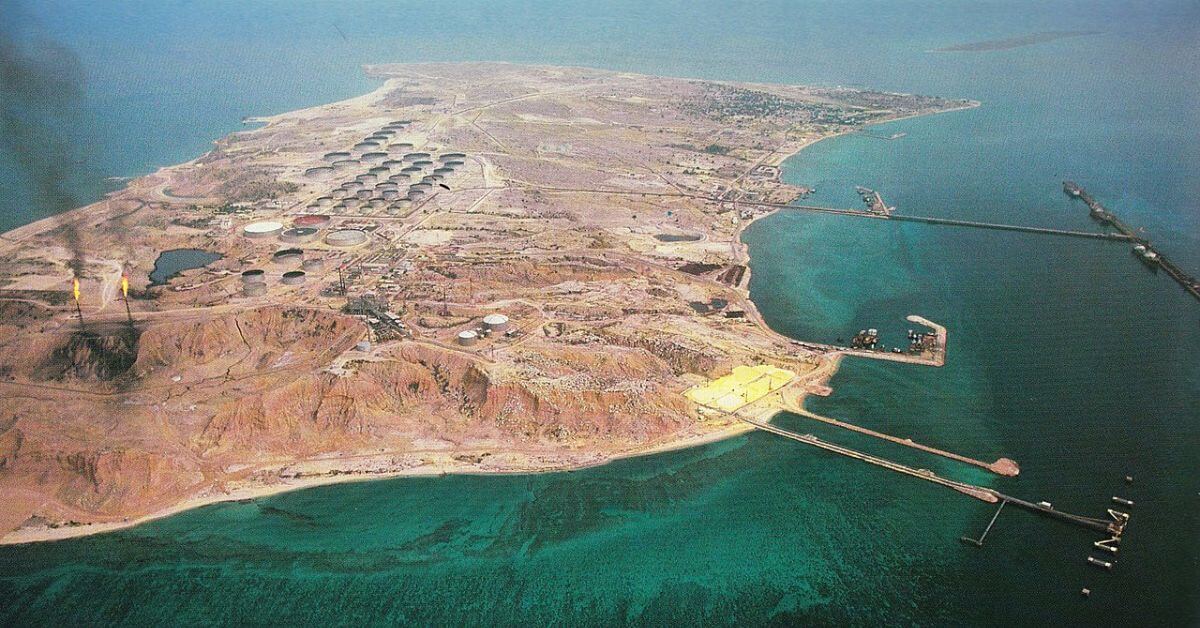
The recent military actions impacting Iranian defense infrastructure on Kharg Island underscore a critical, yet often overlooked, dimension of global security and environmental interconnectedness. While the immediate focus of such events naturally gravitates towards geopolitical implications and strategic outcomes, it is imperative to consider the broader, often latent, impacts on the marine environment. World Data Ocean's mission is to foster a comprehensive understanding of our oceans, and this includes recognizing how human activities, even those seemingly distant from ecological concerns, can have measurable consequences. The precise targeting of defense sites, as reported, suggests an effort to mitigate collateral damage to oil export facilities. This distinction is significant, yet the proximity of military operations to vital maritime arteries and coastal ecosystems necessitates a careful and scientifically grounded assessment of potential environmental repercussions.
Understanding drives protection, and in this context, the protection of the marine environment hinges on data-driven insights. The disruption of any kind, whether through direct impact or indirect consequences like altered shipping patterns or increased naval presence, can introduce stressors to the ocean. These stressors can range from acoustic pollution, which can affect marine life communication and navigation, to the potential for accidental spills or debris, however minimized the intent. Our commitment to integrated data ecosystems means we strive to connect these disparate events into a larger, more comprehensible picture. By monitoring oceanographic conditions, marine biodiversity indicators, and the flux of human activity, we can begin to validate and quantify the environmental footprint of such geopolitical developments. This approach moves beyond conjecture, grounding our understanding in empirical evidence.
The challenge for organizations like World Data Ocean is to translate the complexities of global events into actionable intelligence for ocean stewardship. While the immediate concerns of military strategy are paramount to those involved, the long-term health of our shared ocean is a universal imperative. The strategic importance of Kharg Island, as a hub for oil exports, also places it within a sensitive marine environment. Any military engagement in such a region, regardless of its intended scope, warrants a thorough, albeit potentially delayed, environmental impact assessment. This requires a collaborative effort, integrating data from various sources – from satellite imagery to on-the-ground environmental monitoring. It is through such integrated, real-time, and peer-reviewed data that we can truly understand the multifaceted consequences of human actions and advocate for informed decision-making that prioritizes both security and the enduring health of our planet's most vital resource.