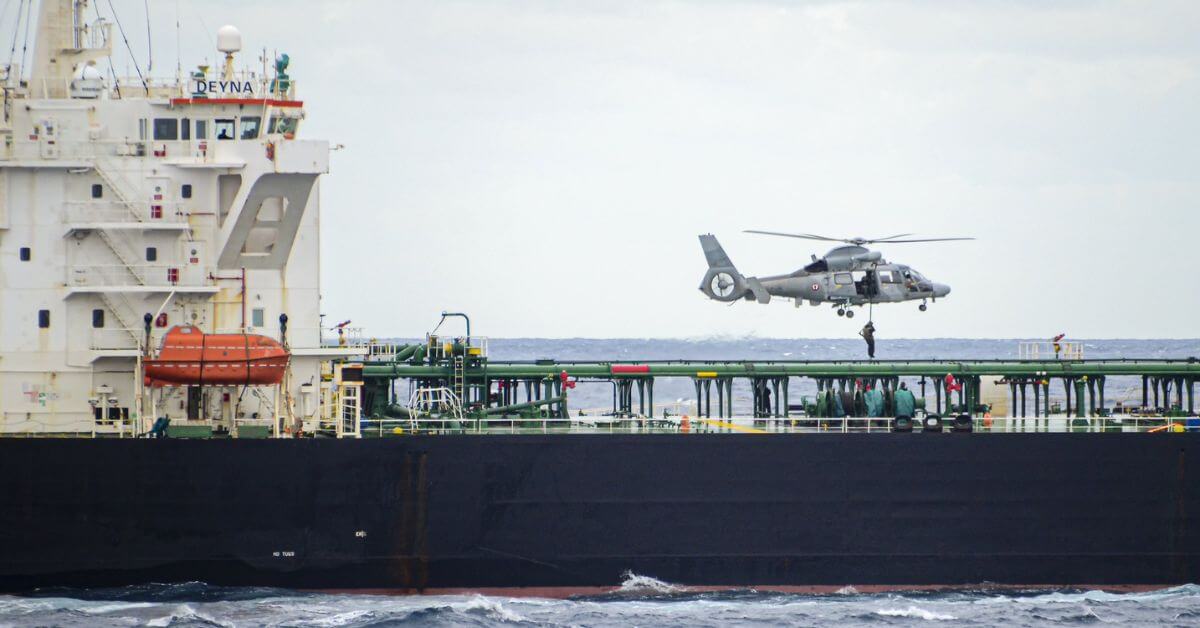
The recent interdiction of the tanker Deyna by the French Navy in the Mediterranean underscores the complex interplay between maritime commerce, geopolitical currents, and the imperative for transparent ocean governance. As the Deyna, flagged under Mozambique but originating from a Russian port, was investigated, it highlights a critical facet of global maritime operations: the need for verifiable data and adherence to international standards. World Data Ocean recognizes that while such incidents may appear as isolated events, they are symptomatic of broader challenges in tracking and understanding the vast network of vessels that traverse our oceans. The ability to identify and verify the origins, destinations, and cargo of vessels is fundamental not only to trade but also to environmental protection and security.
Our commitment at World Data Ocean is to provide the validated, measurable data necessary to navigate these complexities. The incident involving the Deyna serves as a tangible example of why an integrated data ecosystem is crucial. Without clear, real-time, and empirically sourced information on vessel movements and affiliations, it becomes challenging to enforce sanctions, monitor environmental risks such as potential oil spills, or ensure compliance with international maritime law. The development of robust ocean intelligence platforms, leveraging innovative technological solutions, is paramount in building a comprehensive picture of maritime activity, moving beyond flag state registration to provide a more nuanced understanding of operational realities.
Ultimately, events like these reinforce the urgency of our mission. The responsible stewardship of our oceans demands transparency and accountability across all maritime sectors. By fostering global collaboration and advancing technological capabilities for data collection and analysis, World Data Ocean aims to equip researchers, policymakers, and international bodies with the precise, peer-reviewed insights needed to address the multifaceted challenges facing our marine environments. Understanding drives protection, and with accurate, accessible ocean intelligence, we can collectively work towards a more secure and sustainable future for the planet's most vital resource.