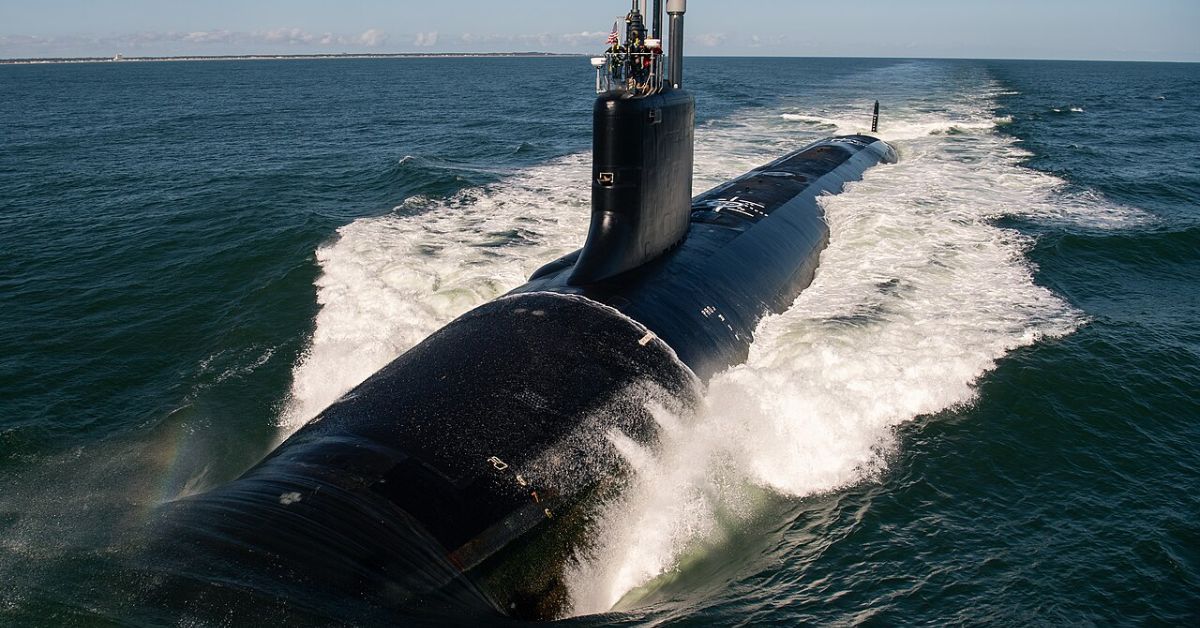
The recent commissioning of the USS Massachusetts, the first submarine to bear the Bay State's name, marks a significant moment. While this event primarily celebrates naval history and state pride, it also offers a compelling parallel to the evolving landscape of ocean intelligence that World Data Ocean champions. Just as a submarine navigates the depths, gathering crucial information unseen, the advancement of our understanding of the ocean requires sophisticated tools and a commitment to comprehensive data acquisition. The dedication of this new vessel to service underscores a broader, shared investment in exploring and understanding critical environments, mirroring our own mission to build an integrated data ecosystem for the world's oceans.
This development serves as a potent reminder of the multifaceted nature of ocean exploration and stewardship. The operational capabilities of a modern submarine, honed through years of technological innovation, echo the advancements we are making in leveraging real-time data streams and advanced analytical techniques. Our focus on validated, measurable, and empirical data allows us to move beyond anecdotal observations towards a more precise understanding of complex oceanographic processes. The "ocean intelligence" we aim to cultivate through our integrated data ecosystem is precisely what enables informed decision-making, whether in national defense or in addressing the urgent challenges of climate change and marine ecosystem health. The USS Massachusetts, in its own right, represents a sophisticated platform for understanding and interacting with the marine environment, a principle that resonates deeply with our own technological pursuits.
The naming of the USS Massachusetts after a state with a rich maritime history and a strong connection to scientific research is particularly fitting. It highlights the importance of regional identity and collaboration in broader scientific and operational endeavors. World Data Ocean operates on a similar principle of global collaboration, recognizing that no single entity can fully grasp or protect the vastness of our oceans. By fostering an environment where diverse datasets are integrated and made accessible, we empower researchers, policymakers, and indeed, all stakeholders, to contribute to a collective understanding. This shared responsibility is crucial, and the commissioning of a vessel named after a state that has long been at the forefront of innovation and education in maritime affairs serves as an inspiring example of how focused dedication can lead to significant advancements in our relationship with the ocean.