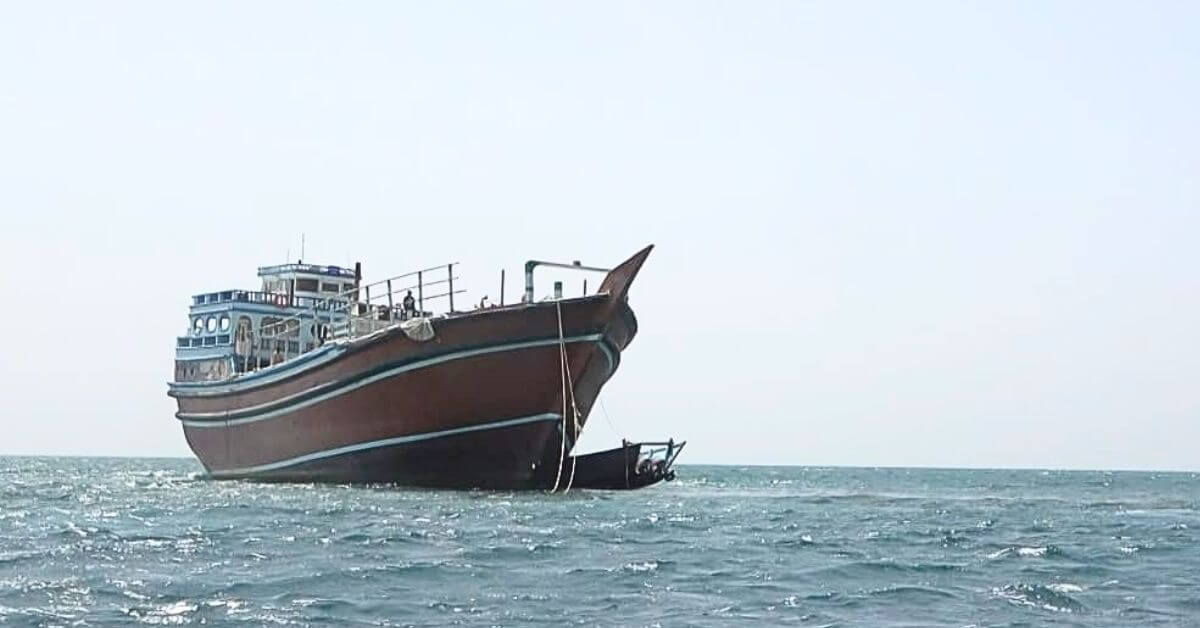
The recent maritime interdiction operation near Yemen, resulting in the arrest of ten crew members and the seizure of unauthorized cargo, underscores a critical facet of global ocean governance: the persistent challenge of illicit activities at sea. While this specific event highlights law enforcement's role in maintaining security and preventing the flow of contraband, it also serves as a potent reminder of the complex interconnectedness of our oceans. The Bab al-Mandab Strait, a vital chokepoint, is not only a conduit for legitimate trade but also, unfortunately, a route for smuggling. The data generated from such incidents, when collected and analyzed through robust, integrated data ecosystems, can provide invaluable insights into evolving patterns of illegal trafficking, helping to inform more effective interception strategies and resource allocation.
From a scientific and stewardship perspective, understanding the full scope of maritime activities, both licit and illicit, is paramount. Illicit operations can have far-reaching, often unmeasured, environmental consequences. The nature of the unauthorized cargo, for instance, could range from contraband goods that generate pollution upon disposal to materials that pose direct ecological risks. Furthermore, the very act of evading detection can lead to navigational practices that disrupt marine life or damage sensitive seabed habitats. World Data Ocean's commitment to providing real-time, validated data is essential for building a comprehensive picture of ocean health and human impact. This includes not only tracking environmental indicators but also understanding the human activities that influence them, thereby enabling a more holistic approach to ocean protection.
The success of operations like the one near Yemen is a testament to collaborative efforts, often involving multiple national and international agencies. This aligns directly with World Data Ocean's core value of global collaboration. By facilitating the sharing of validated, peer-reviewed data and fostering an environment where diverse datasets can be integrated, we empower researchers, policymakers, and enforcement bodies with the ocean intelligence needed to make informed decisions. The insights gleaned from monitoring maritime traffic, identifying anomalies, and understanding the broader context of regional stability and economic pressures can significantly enhance our collective ability to safeguard these vital global commons. Ultimately, understanding drives protection, and a comprehensive, data-driven approach is the bedrock upon which effective ocean stewardship is built.