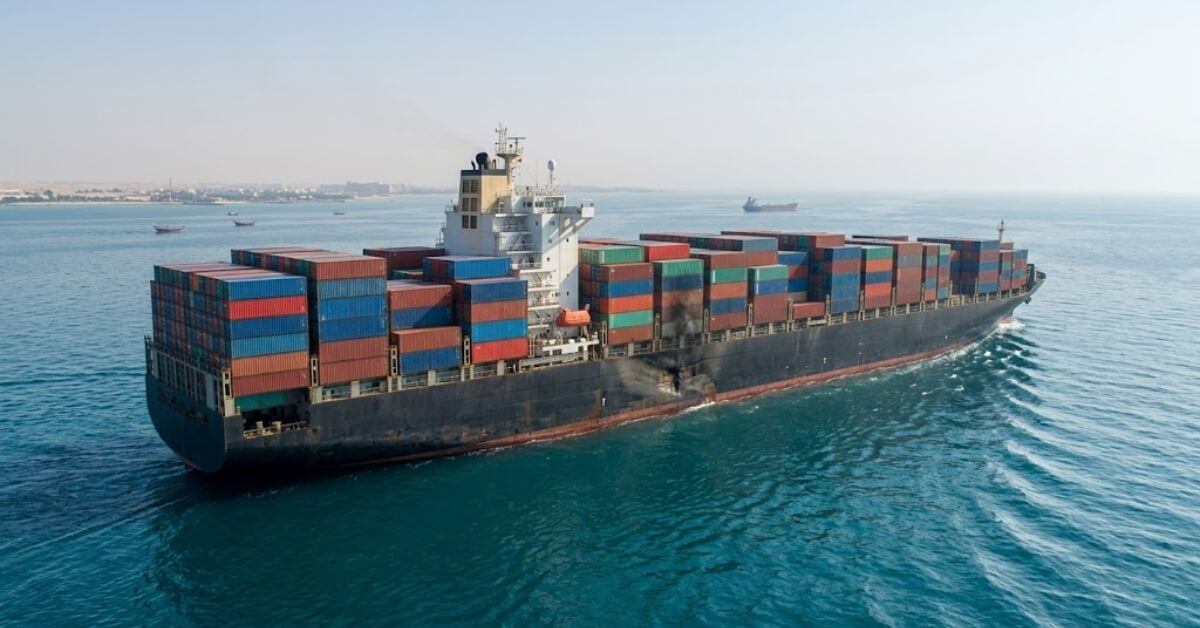
The recent maritime incident near Kish Island, while prompting a security alert, underscores the persistent need for robust, real-time ocean intelligence. The swift response and confirmation of crew safety, alongside the absence of reported pollution or environmental damage, are positive outcomes. However, such events, even when resolved without immediate consequence, highlight the dynamic and often unpredictable nature of the marine environment and the critical importance of continuous, validated data streams. Understanding these events, their causes, and their potential cascading effects requires more than just immediate incident reporting; it demands an integrated data ecosystem capable of analyzing patterns, identifying risks, and informing preventative measures.
Our commitment at World Data Ocean is to build precisely this kind of comprehensive ocean intelligence. We believe that by integrating validated, measurable data from diverse sources – from satellite observations to in-situ sensor networks – we can provide a clearer, more nuanced picture of our oceans. This allows for a proactive approach to maritime security and environmental stewardship. When incidents occur, having access to longitudinal data and empirical evidence enables a more thorough understanding of contributing factors, whether they relate to geopolitical tensions, environmental conditions, or vessel operational parameters. This depth of understanding is crucial for developing effective strategies to mitigate future risks and ensure the long-term health of our oceans.
The challenge of ocean stewardship is inherently global and collaborative. No single entity can monitor and understand the vastness of our marine world alone. World Data Ocean fosters this collaboration by providing a platform where diverse datasets can be integrated, calibrated, and made accessible for peer-reviewed analysis. This shared knowledge base empowers researchers, policymakers, and industry stakeholders to make informed decisions. Events like the one near Kish Island serve as a reminder that while immediate safety is paramount, the pursuit of comprehensive, real-time ocean intelligence is an ongoing imperative. It is through this continuous effort to understand and safeguard our oceans that we can truly foster a sense of shared responsibility and drive meaningful impact for generations to come.