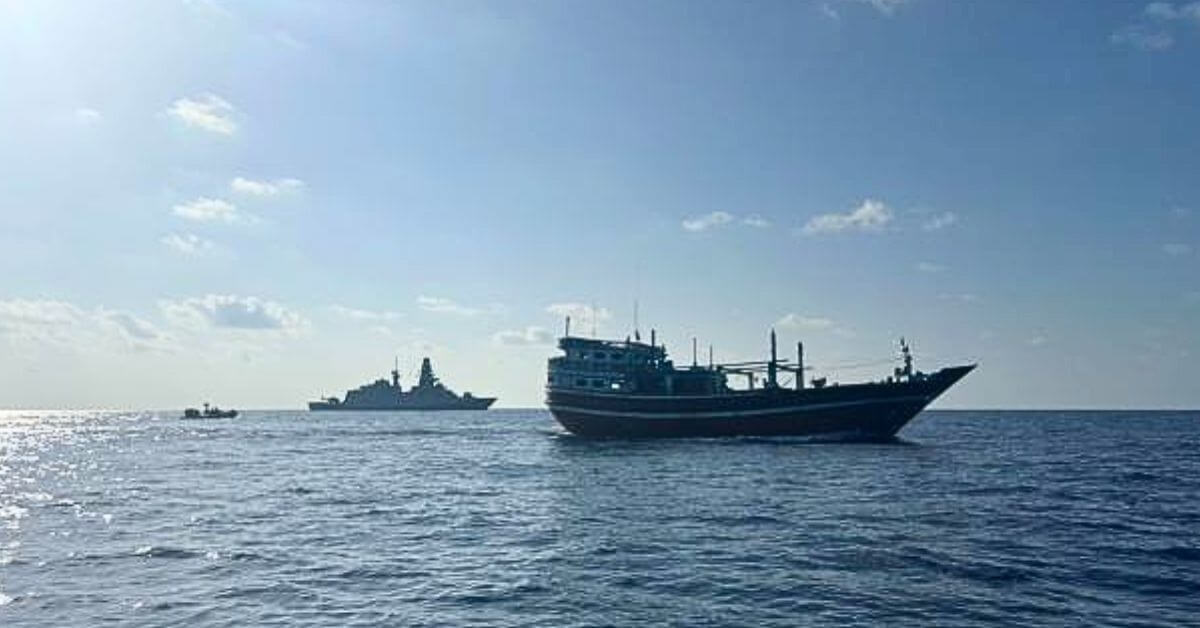
The recent successful interception and release of a hijacked dhow off the coast of Somalia, achieved through the coordinated efforts of ATALANTA naval and air units in conjunction with Somali maritime forces, underscores a critical, yet often overlooked, dimension of ocean stewardship. While the headlines often focus on the vastness of marine ecosystems or the accelerating impacts of climate change, these events highlight the persistent human element of maritime security and the complex interplay between human activity and the health of our oceans. The effective collaboration demonstrated in this instance, involving international naval forces and local authorities, serves as a practical example of how integrated approaches can yield measurable positive outcomes in safeguarding maritime operations and, by extension, the broader ocean environment.
This successful operation is more than just a counter-piracy success; it is a testament to the power of sustained monitoring and strategic pressure, facilitated by advanced technological capabilities. The "days of close monitoring" imply the utilization of sophisticated surveillance and intelligence-gathering tools, likely including real-time data feeds from aerial assets and naval vessels, allowing for a calibrated and informed response. Such operations, while primarily focused on immediate security, contribute indirectly to ocean health by ensuring the safe passage of vessels that are integral to global trade and resource management. The absence of such security can lead to disruptions in supply chains, potentially impacting industries that rely on the ocean and, in turn, influencing their environmental footprint. The success here is rooted in the application of validated methods and a commitment to persistent observation, aligning with the principles of data-driven decision-making that World Data Ocean champions.
Ultimately, this incident reinforces the understanding that a healthy ocean is intrinsically linked to a secure and stable maritime domain. The ability to monitor, respond, and secure is dependent on robust intelligence and collaborative frameworks, mirroring the foundational principles of our work at World Data Ocean. We believe that understanding drives protection, and this applies not only to the scientific monitoring of oceanographic data but also to the safeguarding of human endeavors that interact with this vital global commons. The successful resolution of this hijacking, achieved through a convergence of international cooperation and local expertise, exemplifies the kind of integrated, purpose-driven action that is essential for fostering a future where both human activity and marine life can thrive in a balanced and sustainable manner.