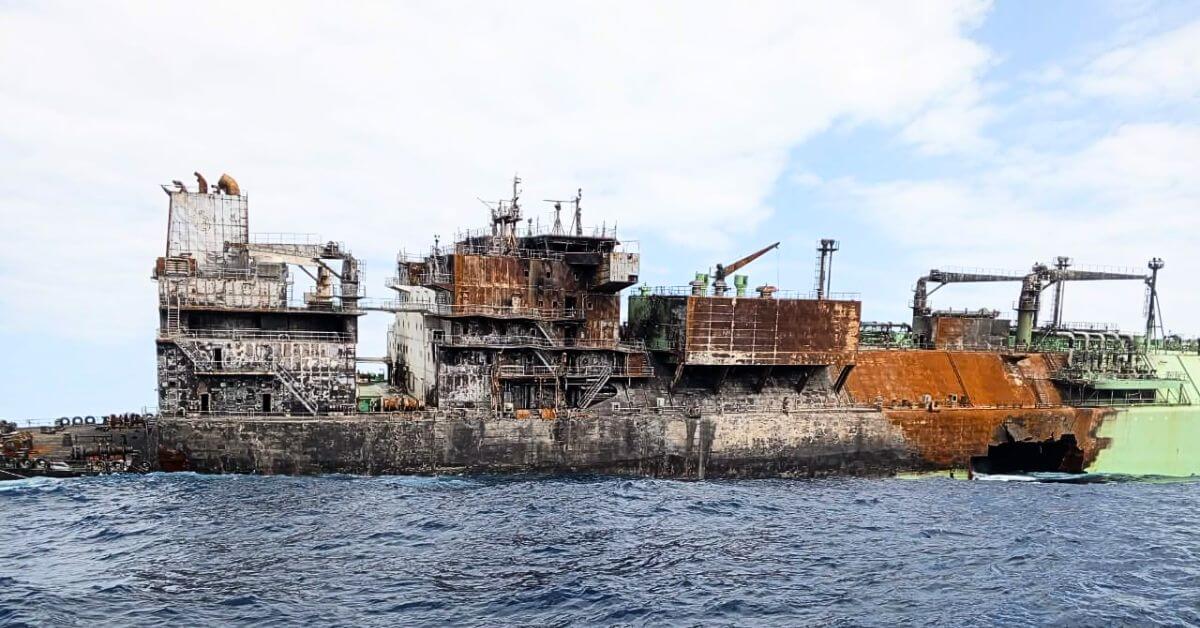
The recent incident involving an LNG tanker drifting near Malta after a towline failure underscores the inherent complexities and risks associated with maritime operations, particularly in challenging environmental conditions. The vessel, reportedly under tow by the tug Maridive 701, experienced a critical failure of its towline, attributed to strong winds and rough seas. While the immediate consequences appear to have been managed, such events serve as important reminders of the constant vigilance required to ensure the safety and security of global shipping routes and the vital cargo they carry. World Data Ocean views this incident not as an isolated maritime mishap, but as a data point within a broader context of oceanic dynamics and the critical infrastructure that traverses them.
Such occurrences highlight the indispensable role of precise environmental monitoring and robust operational protocols. The ability to forecast and respond to adverse weather conditions is paramount, and this requires access to accurate, real-time data. Understanding the interplay between atmospheric forces, sea state, and vessel dynamics is fundamental to mitigating risks. World Data Ocean's commitment to developing an integrated data ecosystem, drawing from diverse sources and employing advanced analytical capabilities, aims to provide the foundational intelligence necessary for informed decision-making in complex maritime environments. The goal is to move beyond reactive responses to proactive risk management, supported by empirical evidence and validated insights.
Furthermore, this event reinforces the necessity of a global, collaborative approach to maritime safety and ocean stewardship. The interconnectedness of our oceans means that incidents in one region can have far-reaching implications. Sharing knowledge, best practices, and technological advancements across the international maritime community is essential. World Data Ocean is dedicated to fostering this spirit of collaboration, providing a platform where validated scientific data can inform policy, enhance operational efficiency, and ultimately contribute to the long-term health and sustainability of our oceans. The pursuit of ocean intelligence, derived from measurable and longitudinal data, is key to understanding and navigating the challenges that lie ahead.