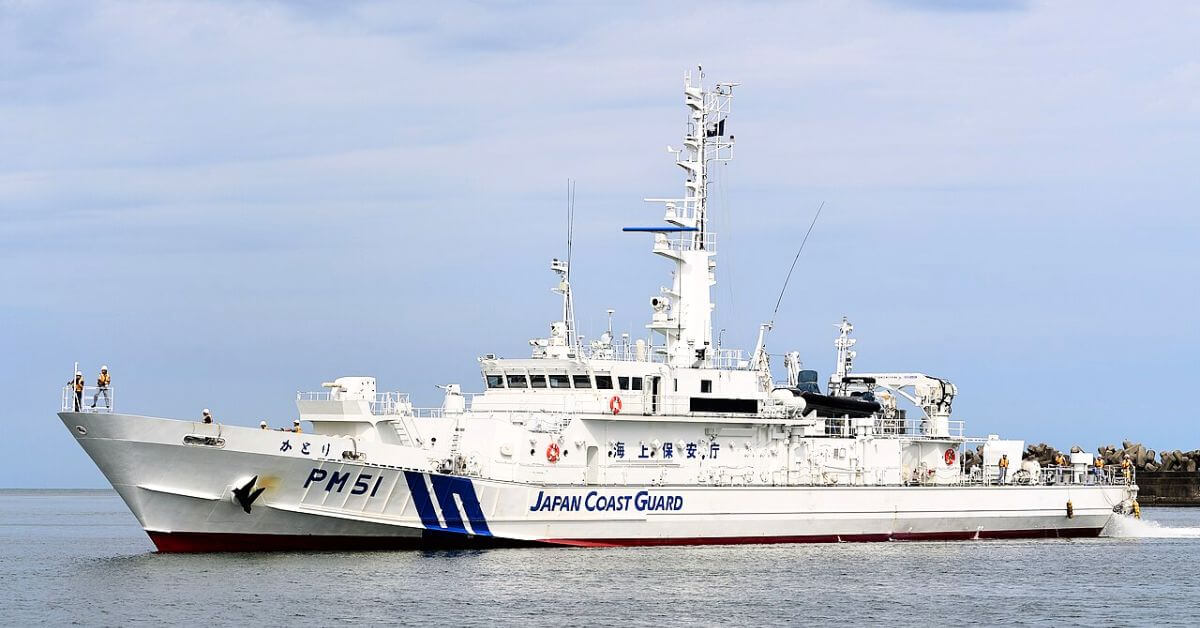
The recent encounter between a Chinese survey vessel and Japanese authorities near the Senkaku Islands underscores a critical challenge in global ocean governance: the intersection of scientific endeavor and geopolitical tension. While the precise objectives of the Xiang Yang Hong 22 remain unconfirmed, the presence of oceanographic research vessels in contested maritime zones inherently raises questions about data acquisition, territorial sovereignty, and the responsible stewardship of shared marine environments. World Data Ocean recognizes that scientific exploration, by its very nature, requires unfettered access to gather the empirical data vital for understanding our planet's oceans. However, this pursuit must be balanced with established international norms and a commitment to transparency, ensuring that scientific activities do not inadvertently escalate geopolitical friction or infringe upon the rights of sovereign nations.
The imperative for comprehensive ocean intelligence cannot be overstated. From understanding deep-sea biodiversity to monitoring the subtle yet significant shifts in ocean currents that influence global climate patterns, the data collected by survey vessels is foundational to informed decision-making. This includes tracking vital climate indicators, mapping seabed topography for resource management, and studying the intricate ecosystems that support marine life. When such activities occur in regions with overlapping territorial claims, the potential for misinterpretation or deliberate obstruction of scientific progress becomes a significant concern. World Data Ocean advocates for a framework where scientific missions are clearly communicated and conducted with respect for existing international maritime law, fostering an environment where collaboration, rather than confrontation, can drive the advancement of our collective knowledge.
Ultimately, the incident serves as a potent reminder of the delicate balance required to advance ocean science in an increasingly complex world. The long-term health and sustainability of our oceans depend on a shared commitment to data collection, analysis, and dissemination. This requires a global dialogue that prioritizes scientific integrity, promotes transparency in research methodologies, and encourages cooperative approaches to ocean observation, even in areas of geopolitical sensitivity. By fostering an integrated data ecosystem built on trust and mutual respect, we can ensure that the pursuit of ocean intelligence serves the common good, contributing to a more resilient planet for all.