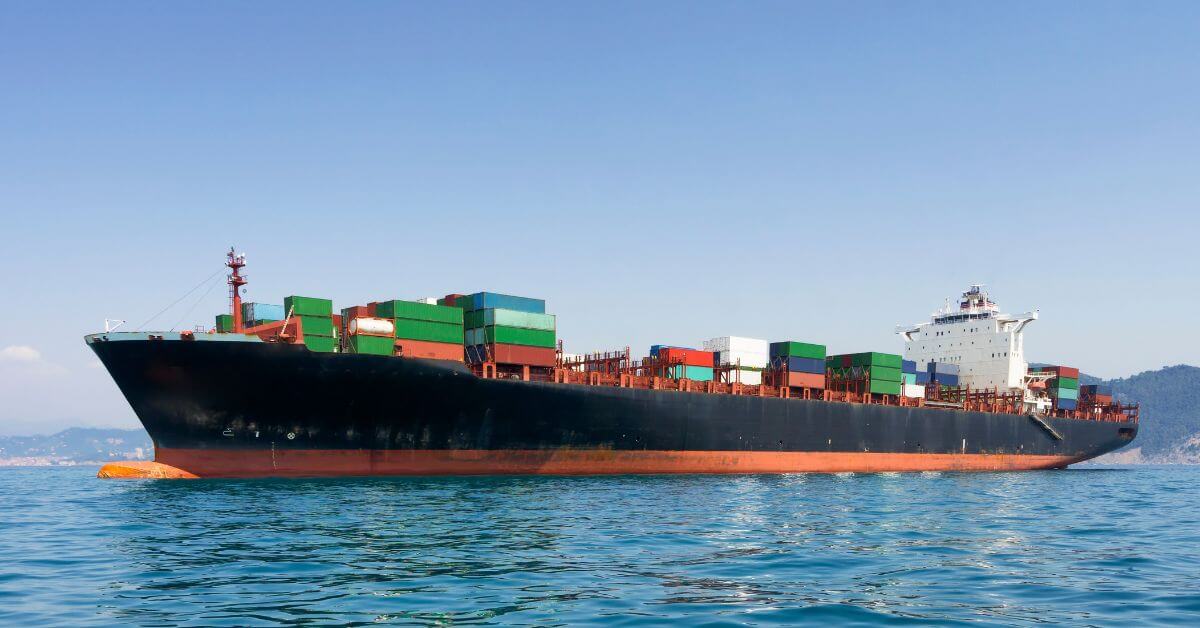
The Strait of Hormuz, a critical maritime chokepoint, is currently experiencing a significant downturn in shipping traffic. This reduction is a direct consequence of escalating geopolitical tensions, specifically the ongoing conflict involving the United States and Israel. In response to this diminished transit volume and the associated economic implications, Iran is reportedly considering the implementation of transit tolls for vessels passing through the strait. This proposed measure highlights the complex interplay between regional stability, international trade, and national economic strategies within vital global waterways.
From an ocean intelligence perspective, the implications of such a policy extend beyond immediate economic considerations. Reduced shipping activity in the Strait of Hormuz, while potentially offering a temporary respite to marine ecosystems from vessel noise and emissions, also signifies a disruption to global supply chains. The Strait is a crucial conduit for oil and other commodities, and any alteration to its established transit patterns can have far-reaching economic and geopolitical consequences. World Data Ocean's commitment to integrated data ecosystems allows for the monitoring and analysis of these shifts, providing validated, measurable insights into the real-time impact on maritime traffic and the broader implications for global trade and security. Understanding these dynamics, supported by empirical data, is paramount for informed policymaking and proactive stewardship of our oceans.
The situation underscores the interconnectedness of our planet. Geopolitical events, even those seemingly localized, can ripple outwards, affecting global commerce and, by extension, the health and utilization of our oceans. Our work is dedicated to providing the clear, precise data necessary to navigate these complexities. By focusing on scientific integrity and fostering global collaboration, we aim to empower researchers, policymakers, and all stakeholders with the ocean intelligence needed to make informed decisions. The goal is not to sensationalize, but to illuminate the measurable impacts of human activity on this vital global commons, promoting a shared responsibility for its preservation and sustainable use.