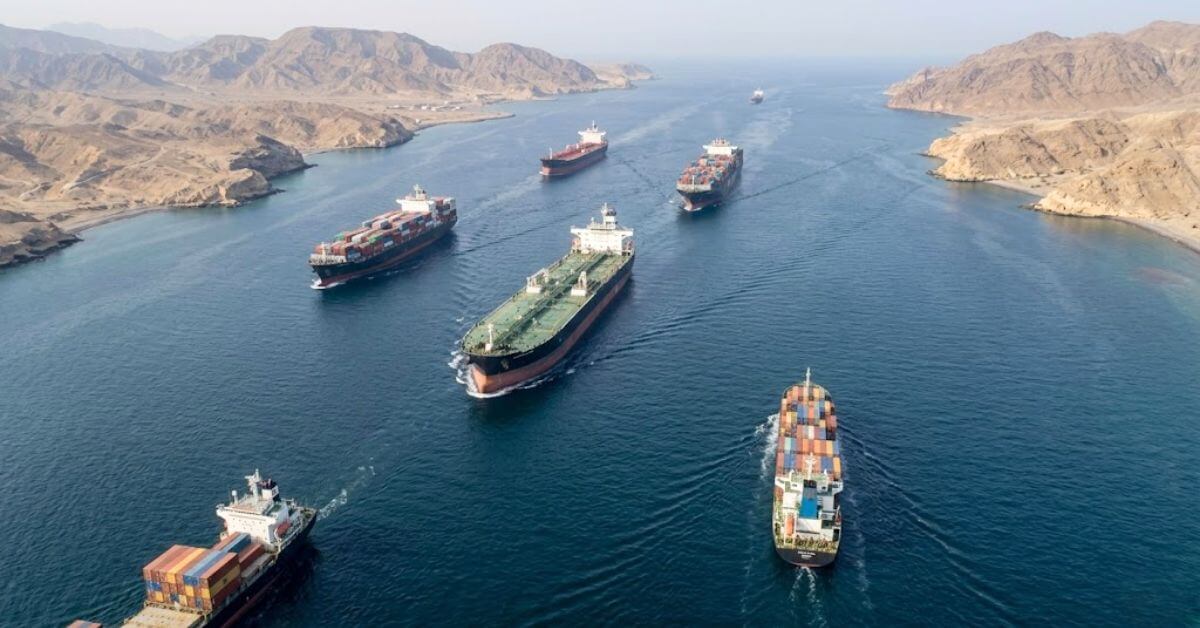
The recent announcement regarding Iran's implementation of transit fees and the introduction of a coordinated shipping system within the Strait of Hormuz warrants careful, data-driven consideration. This development, which introduces a "controlled transit" framework linking ship movements with Iranian armed forces, represents a significant shift in maritime operations within a critical global chokepoint. From a scientific and logistical perspective, understanding the implications of such a system hinges on the availability of validated data. The introduction of fees and a coordinated transit model inherently impacts the predictability and efficiency of global supply chains. Our focus, as World Data Ocean, is on how such changes can be measured, monitored, and understood through integrated data ecosystems. This includes not only the direct economic impacts but also the potential effects on maritime traffic flow, safety protocols, and the broader geopolitical landscape that influences ocean governance.
The core of our approach is to move beyond immediate reactions and instead focus on the long-term, measurable impacts. This coordinated transit system, while potentially offering a degree of control for the implementing nation, introduces new variables into the complex web of international shipping. For researchers, policymakers, and industry stakeholders, access to real-time, empirical data on traffic volume, transit times, and adherence to the new protocols will be crucial for assessing its effectiveness and any unintended consequences. The concept of "ocean intelligence" becomes paramount here; it is the ability to gather, process, and interpret diverse datasets to provide a clear, calibrated understanding of how such geopolitical and operational shifts affect global maritime activity. We believe that a transparent and collaborative approach to data sharing, even in sensitive geopolitical contexts, is essential for fostering informed decision-making and mitigating potential disruptions.
Ultimately, understanding the impact of Iran's new transit policies requires a commitment to rigorous, scientific analysis. The Strait of Hormuz is not merely a waterway; it is a vital artery of global commerce, and its operational dynamics are intrinsically linked to global economic stability and environmental stewardship. Our role at World Data Ocean is to facilitate the collection and analysis of the measurable, longitudinal data necessary to comprehend these complex interactions. By providing a clear, objective lens through which to view these developments, we aim to empower stakeholders with the knowledge needed to navigate these evolving maritime realities. This approach underscores our commitment to fostering a more informed and collaborative global community, united by the shared responsibility of ensuring the health and accessibility of our oceans.