Indo-German Maritime Pact To Boost Construction Of Specialised Container, Passenger & Research Vessels
Our take
The recent maritime pact between India's Buoyancy Consultants and German firm Neptune Ship Design GmbH signals a significant development in the global shipbuilding landscape, particularly concerning specialized vessels. This collaboration, focused on container, passenger, and crucially, research vessels, underscores a growing recognition of the interconnectedness between maritime trade, passenger transport, and oceanographic research. It builds upon existing trends of international cooperation in maritime technology, as exemplified by partnerships like the one between CMA CGM, Bureau Veritas & SDARI CMA CGM, Bureau Veritas & SDARI Partner On AI-Powered Container Vessel Concept, demonstrating a move towards integrated solutions utilizing advancements like AI in vessel design and operation. The emphasis on research vessels is particularly noteworthy, aligning with the increasing need for data-driven ocean management and the growing complexity of understanding marine ecosystems. This focus also reflects the broader context of maritime security concerns, as highlighted in recent analyses of environmental damage during naval conflicts Normative conflicts and collaborative governance of environmental damage in modern naval armed conflicts: an original analysis based on legal mapping and composite security, suggesting a potential need for vessels equipped to monitor and mitigate environmental impacts.
The Indo-German partnership is not simply about building ships; it’s about integrating expertise and leveraging technological strengths. Germany’s renowned shipbuilding prowess and engineering precision, combined with India's rapidly expanding maritime infrastructure and skilled workforce, create a powerful synergy. The development of specialized research vessels is especially pertinent given India’s strategic geographic location and its commitment to understanding its vast coastline and surrounding waters. This aligns with India’s broader efforts to enhance maritime domain awareness and protect its interests, initiatives like the new seafarer monitoring system India Launches New System To Monitor Seafarers In High-Risk Maritime Regions exemplify this focus. The ability to build and deploy advanced research platforms domestically will reduce reliance on foreign vessels and allow for more responsive and targeted data collection, crucial for understanding climate change impacts, biodiversity patterns, and resource management within the Indian Ocean region.
The rise in demand for specialized vessels reflects a broader shift in how we utilize the oceans. Historically, maritime activity has been dominated by cargo transport and fishing. While those sectors remain vital, there is an undeniable increase in the need for vessels dedicated to scientific research, environmental monitoring, and specialized passenger services – particularly in regions experiencing rapid coastal development or facing unique environmental challenges. The integration of advanced technologies, such as real-time data collection systems and sophisticated sensor arrays, will be critical for these vessels to effectively gather and transmit valuable ocean intelligence. Calibrated data streams from these platforms will become increasingly important for validating climate indicators and informing policy decisions related to ocean stewardship. This collaborative approach also emphasizes the importance of longitudinal data collection, enabling researchers to track changes in ocean conditions over extended periods and refine predictive models.
Looking ahead, the success of this Indo-German partnership will depend on its ability to deliver vessels that are not only technologically advanced but also environmentally sustainable. The integration of energy-efficient designs and alternative propulsion systems will be crucial for minimizing the environmental footprint of these vessels. A key question to monitor will be the extent to which these collaborations will contribute to the development of an integrated data ecosystem, facilitating the seamless sharing of oceanographic data between researchers, policymakers, and industry stakeholders. Ultimately, the combined capabilities fostered by this partnership have the potential to significantly advance our understanding of the ocean and inform more effective strategies for its long-term health and sustainable utilization.
India and Germany have partnered to boost maritime growth by signing a Letter of Intent at the SMM 2026, one of the world’s biggest maritime trade gatherings attended by more than 50,000 people from the industry in 120 countries.
Buoyancy Consultants, which is one of India’s prominent names in naval ship design and engineering, entered into a maritime pact with a leading German company in vessel design and concept formulation, Neptune Ship Design GmbH.
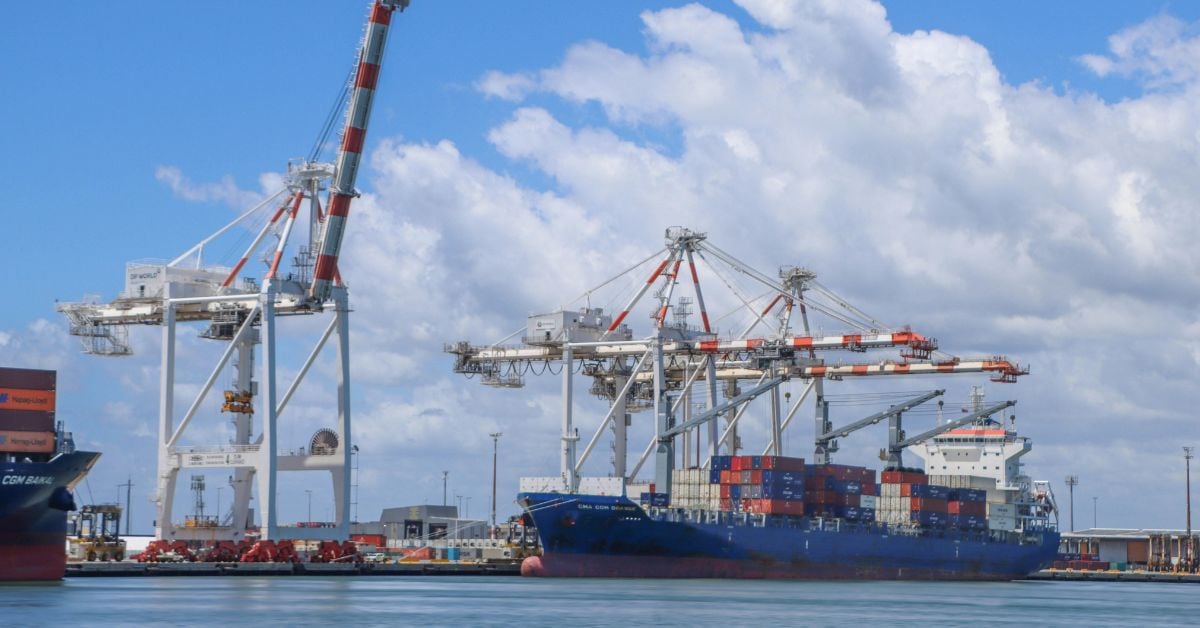
The firms would collaborate to develop and deliver specialised or complex vessels for the container ship segment, hospitality sector, or even research vessels, for Indian as well as global markets.
The development comes at a critical juncture when India is already dependent on foreign shipping companies for the majority of its import-export trade, leading to an expenditure of roughly 75 billion dollars annually.
To reduce the dependence on foreign vessels for carrying its cargo, the government, under the ‘Make In India’ or ‘Aatmanirbhar (Self-Reliant) Bharat ‘ vision launched by the Ministry of Ports, Shipping and Waterways, has launched the Bharat Container Shipping Line this year in February.
It is a consortium which consists of Shipping Corporation of India, CONCOR, Sagarmala Finance Corporation, and major port authorities.
This firm has planned to construct 51 ships indigenously within 5 years at a budget of about ₹59,000 crore or USD 6.4–6.9 billion. To meet the targets, an order of 15 container vessels has been placed with Indian shipyards.
The Indian-German alliance for the construction and delivery of container ships, passenger ships or research craft directly taps into the increasing demand for specialised ships. The partnership would allow Indian yards to get hold of European ship designs so that projects can progress faster from concept to completion while meeting all international safety standards.
Apart from supporting India’s maritime ambitions, the collaboration would also strengthen India-German diplomatic ties in the defence and maritime industries.
The Indian firm based in Goa would benefit by being introduced to new vessel design concepts, which would make it competitive in South Asian and European markets.
Its leaders said that the partnership would lead to combining India’s engineering talent with German naval expertise to achieve the country’s maritime ambitions for 2030 and 2047.
Read on the original site
Open the publisher's page for the full experience