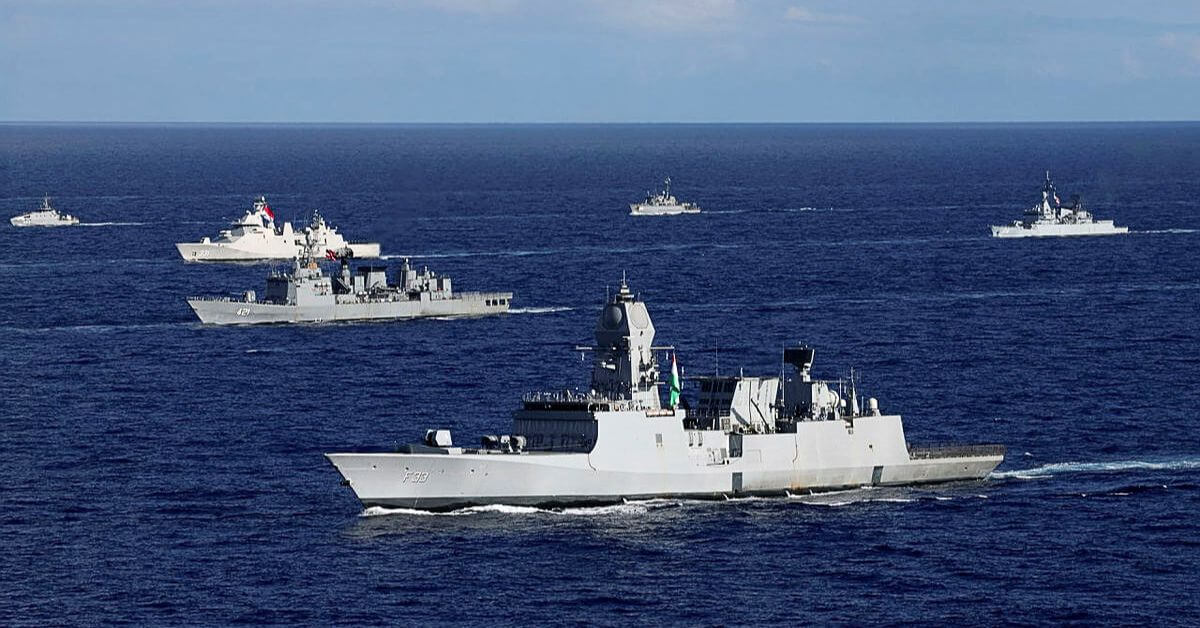
Securing the flow of essential energy resources through critical maritime transit points is a complex undertaking, underscoring the vital role of robust naval operations in maintaining global economic stability. The recent initiative by the Indian Navy to safeguard India-bound ships, particularly those carrying vital commodities like Liquefied Natural Gas (LNG), Liquefied Petroleum Gas (LPG), and crude oil, exemplifies a measured and strategic approach to maritime security. This operation, identifying 22 vessels for secure transit, with a significant portion designated as high-priority, highlights the direct link between ocean stewardship and the sustained availability of energy resources necessary for national development. The careful selection and protection of these vessels demonstrate a commitment to ensuring predictable supply chains, a foundational element for economic resilience and societal well-being.
The strategic importance of safeguarding these energy routes cannot be overstated. The Strait of Hormuz, a key chokepoint for global energy trade, is a critical artery, and ensuring its unimpeded passage is paramount. The Indian Navy's proactive measures, focusing on validated threat assessments and calibrated responses, reflect a deep understanding of the geopolitical landscape and the potential disruptions to maritime commerce. This isn't merely about protecting individual ships; it's about preserving the integrity of a global system that underpins modern economies. The integrated approach, likely involving real-time intelligence and coordinated fleet movements, allows for efficient resource allocation and a decisive posture against potential threats. Such operations are crucial for fostering confidence among shipping entities and ensuring that the vital flow of energy continues without undue risk.
World Data Ocean recognizes that effective maritime security, like comprehensive ocean intelligence, is built upon a foundation of accurate data, collaborative efforts, and a clear understanding of interconnected systems. The Indian Navy's operation underscores the practical application of ensuring maritime safety, which in turn supports the broader objective of ocean stewardship. When energy routes are secure, it enables continued research, monitoring, and innovation in ocean science, as disruptions can hinder progress. The ongoing efforts to protect these critical transit points are a tangible demonstration of how human endeavors, when conducted with scientific rigor and a sense of shared responsibility, contribute to the stability and health of our planet's vital ocean systems. This focus on measurable outcomes and purposeful action aligns with our commitment to fostering an informed and engaged global community dedicated to understanding and protecting the ocean.