Indian Coast Guard Intercepts Vessel Suspected Of Oil Smuggling Off Mumbai
Our take

The recent interception of a vessel suspected of oil smuggling off the coast of Mumbai by the Indian Coast Guard underscores a growing and complex challenge to maritime security and resource governance in the Indian Ocean region. This incident, occurring near an offshore oil rig, highlights the vulnerability of critical infrastructure and the potential for illicit activities to disrupt operations and compromise environmental safety. The timing is particularly noteworthy given the escalating tensions in other maritime zones, such as the Gulf of Aden, where Suspected Pirates Board Greek-Owned Bulk Carrier In Gulf Of Aden demonstrates the persistent threat of maritime crime, and the tragic events in the Black Sea, where Two Azerbaijani Seafarers Killed In Russian Attack On Tugboat In Black Sea vividly illustrate the devastating consequences of geopolitical instability impacting commercial shipping. The interconnectedness of these events emphasizes the need for enhanced regional collaboration and robust maritime surveillance capabilities.
The sophistication of oil smuggling operations, particularly in regions with significant oil production and transit routes, presents a formidable obstacle. Smugglers exploit loopholes in regulations, leverage complex ownership structures, and utilize advanced technology to evade detection. The interception itself is a testament to the Indian Coast Guard’s vigilance and operational effectiveness, but it also points to the ongoing need for improved intelligence gathering and real-time monitoring. The use of validated data and empirical evidence is crucial for identifying and tracking suspicious vessels, and this requires an integrated data ecosystem capable of correlating various data streams—satellite imagery, AIS signals, port calls, and financial transactions. The ongoing advancements in maritime technology, such as those exemplified by vessels equipped with innovative systems like the World’s First LNG Carrier Equipped With Two Wind Challenger Systems Named Ahead Of Delivery, while primarily focused on efficiency, can also contribute to improved situational awareness and detection capabilities, indirectly bolstering maritime security efforts.
The broader implications of this incident extend beyond the immediate economic and environmental concerns. Illegal oil trade fuels corruption, undermines legitimate businesses, and can destabilize regional economies. Furthermore, the environmental risks associated with oil spills resulting from smuggling activities are significant and can have long-lasting consequences for marine ecosystems. Understanding the scale of this illicit trade requires longitudinal data collection and analysis, allowing for a measurable assessment of its impact and the effectiveness of countermeasures. Peer-reviewed research into maritime crime patterns and the effectiveness of different enforcement strategies is essential for developing evidence-based policies. The Indian Coast Guard's actions contribute to the global effort to combat maritime crime and protect ocean resources, reinforcing the importance of international cooperation and information sharing.
Looking ahead, the challenge lies in proactively addressing the root causes of oil smuggling and strengthening maritime domain awareness. This requires a multi-faceted approach, including enhanced border security, improved port state control, stricter enforcement of regulations, and increased transparency in the oil supply chain. The development and deployment of advanced ocean intelligence platforms, capable of providing real-time insights into maritime activity, will be crucial for detecting and disrupting illicit operations. As global demand for energy continues to evolve, and as climate indicators paint an increasingly urgent picture, the question remains: how can we build a more resilient and secure maritime environment that balances economic development with environmental stewardship and safeguards the integrity of the ocean’s resources?
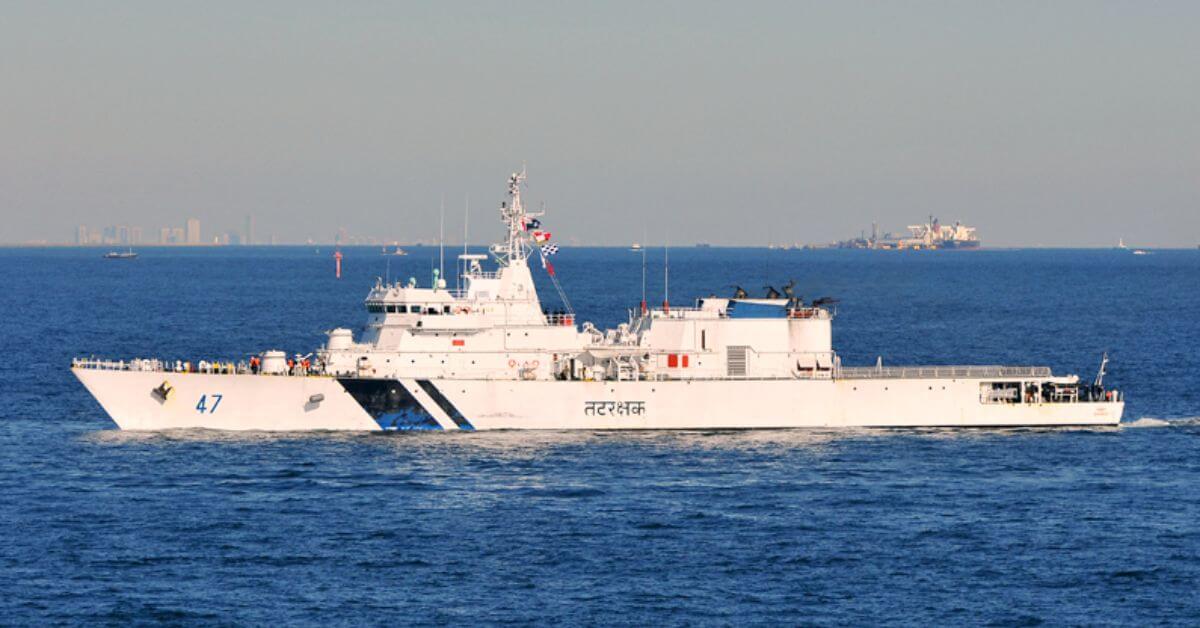
The Indian Coast Guard (ICG) intercepted a vessel suspected of diesel smuggling off the Mumbai coast and recovered about ₹10 lakh in unaccounted cash and illicit liquor, the agency said.
The vessel, identified as the IFB Gauri Ganesh, had six crew members on board. It was brought to Mumbai Harbour, where multiple agencies are investigating the suspected smuggling operation.
The Coast Guard received intelligence at about 2:10 p.m. on September 10 about unauthorised activity near an offshore oil rig off Mumbai.
It sent its Advanced Offshore Patrol Vessel, ICG Ship Sankalp, to the area to investigate.
The Coast Guard said Ship Sankalp carried out a midnight boarding operation off Mumbai on September 11 and intercepted the vessel during the dark hours.
Coast Guard personnel boarded the boat and searched it. They found concealed and unaccounted cash worth about ₹10 lakh and illicit liquor.
The vessel and its six crew members were then escorted to Mumbai Harbour.
Responding swiftly to a suspected oil smuggling intelligence input, @IndiaCoastGuard Ship Sankalp was deployed to undertake a midnight boarding operation off #Mumbai on 11 September 2026.
The strategic action by #ICG resulted in apprehension of the suspected IFB Gauri Ganesh,… pic.twitter.com/59i4ZTGxak
— Indian Coast Guard (@IndiaCoastGuard) September 11, 2026
In a post on X, the Coast Guard said it had deployed Ship Sankalp after receiving intelligence about suspected oil smuggling.
The Coast Guard has not said how much diesel or oil was allegedly involved in the suspected smuggling operation.
Multiple agencies are now looking into the case to find out more about the suspected smuggling network. The investigation is continuing.
References: freepressjournal, news18
Read on the original site
Open the publisher's page for the full experience