coastline
coastline at World Data Ocean is a file of 6 stories. The newest of them: “Black Sea incident raises urgent questions on maritime safety and climate risk”, “Coast Guard Intercepts Suspected Oil Smuggling Vessel Near Mumbai.”, and “Philippine Shell Mystery: Identifying a Unique Ocean Treasure”. A fire aboard a Liberian-flagged oil tanker off Sochi this week is more than a maritime incident, it is a measurable climate indicator. At 2:10 p.m. A Global Hub for Ocean Intelligence 4 World Data Ocean is a centralized digital platform where researchers, scientists, and ocean enthusiasts converge to… The list below is every coastline story on World Data Ocean, newest first.
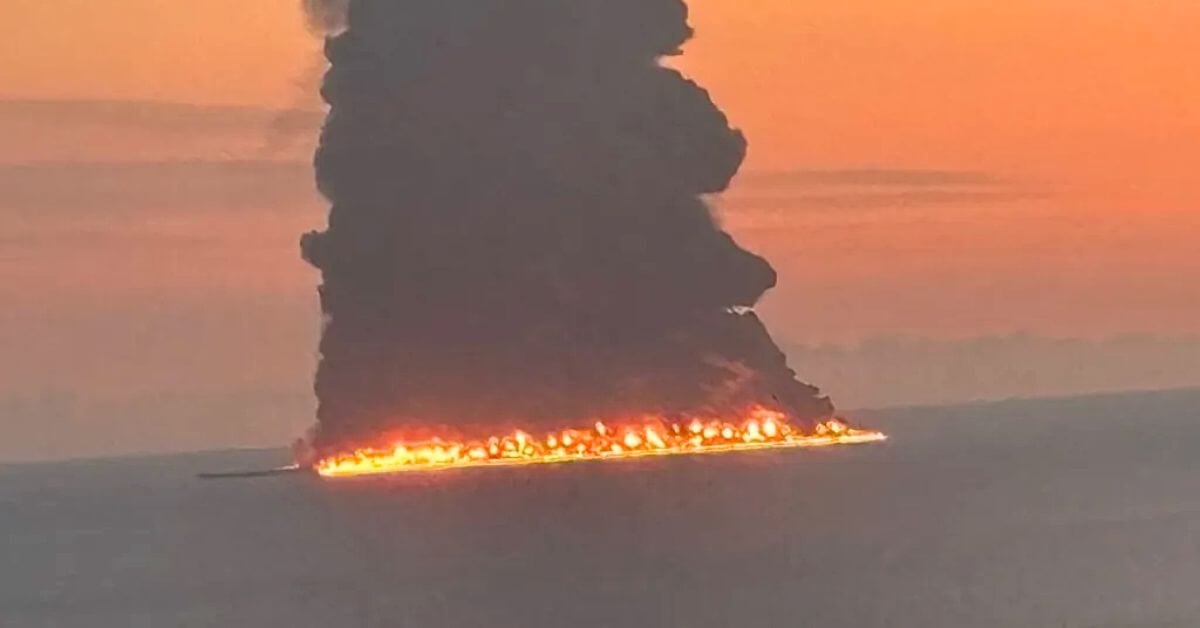
Black Sea incident raises urgent questions on maritime safety and climate risk
A fire aboard a Liberian-flagged oil tanker off Sochi this week is more than a maritime incident, it is a measurable climate indicator. Twenty-three Indian crew members faced immediate danger in the Black Sea, a region already strained by geopolitical tensions and environmental stress. We connect this event to our coverage of the *Two Killed as Corn Freighter Sinks in Black Sea After Drone Strike*, reinforcing that safety at sea now requires integrated risk assessment. Validated data, not alarm, must guide our response.
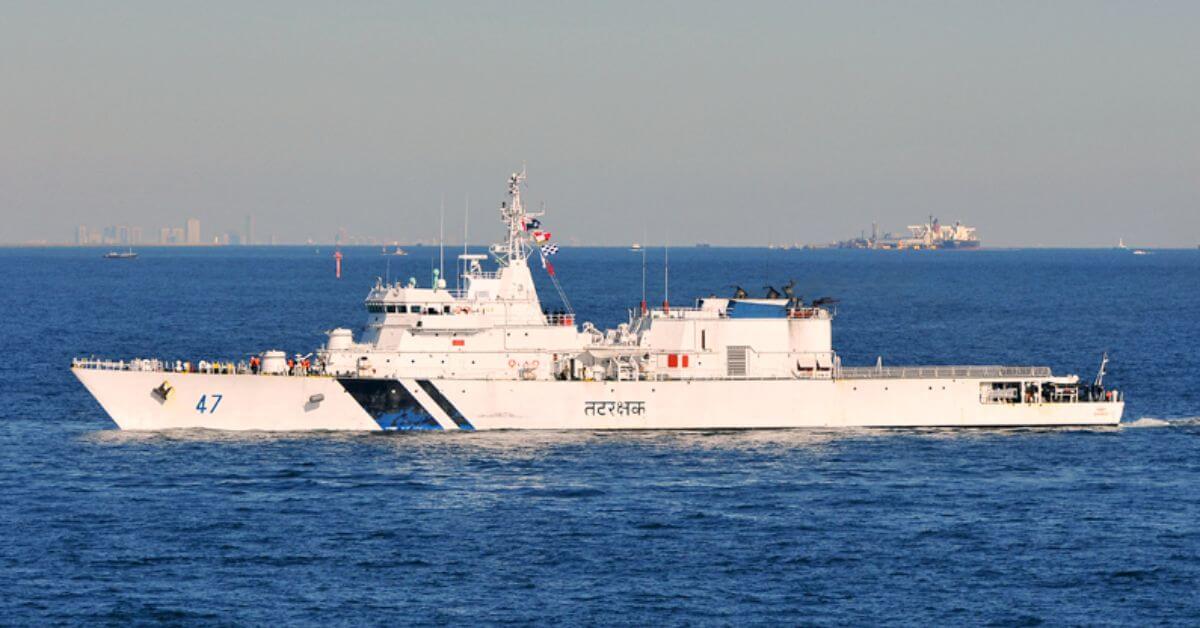
Coast Guard Intercepts Suspected Oil Smuggling Vessel Near Mumbai.
At 2:10 p.m. on September 10, the Coast Guard acted on intelligence of unauthorized activity near an offshore oil rig off Mumbai, intercepting a suspected oil smuggling vessel. This interdiction underscores the persistent challenge of maritime crime and the need for constant vigilance. Protecting ocean resources requires more than data; it demands decisive, real-world enforcement. For broader context on maritime security operations, see our coverage of "Maritime Interdictions Yield 25,000 Pounds of Cocaine, Supporting Ocean Security."

Philippine Shell Mystery: Identifying a Unique Ocean Treasure
A single shell, carried from Philippine shores to an unknown origin, has sparked a familiar confusion. The distinction between a volute and a conch is more than a label; it is a matter of structural nuance. For this gift, the answer lies in the shell's spire and aperture. Such identification challenges are common, and our related piece on unexpected discoveries, "Unexpected Chiton Discovery in Puerto Rico Challenges Species Distribution Models," highlights how easily marine specimens defy our assumptions. The ocean's taxonomy rewards patience.
Sixteen Years Later: Measuring Recovery and Water Quality in the Gulf
Sixteen years after the Deepwater Horizon oil spill, the Gulf of Mexico remains a living laboratory for recovery, and for questions that still demand answers. For those who stayed away, the urge to return is now paired with a need to understand: Is the water safe, and how has it truly changed? Water quality along Alabama's coast has largely rebounded, but the long-term fate of the oil and the chemical dispersants used to break it up remains a complex, ongoing story.

South China Sea Search Continues After Cargo Ship Sinks
Rescue efforts are underway in the South China Sea after a Vietnamese cargo ship carrying 62 people sank near Fiery Cross Reef. Officials confirm 45 individuals have been brought to safety, leaving 17 unaccounted for. Each hour at sea sharpens the urgency of the search, and our attention remains fixed on the crews who face such perilous conditions. This incident follows recent maritime emergencies, including a cargo ship fire near Mykonos, underscoring the persistent risks that define commercial shipping.

Tensions Rise as Vessel Fire Reported Near Strait of Hormuz
A fire aboard a vessel near the Strait of Hormuz has escalated tensions as the U.S.-Iran conflict enters its second week, with fresh attacks rippling across the region. The incident underscores how quickly maritime risks compound geopolitical instability. For context, recent reports of Gulf of Oman STS transfers maxing out highlight the strategic pressure on these waters. Reliable, real-time data remains essential for navigating such volatile conditions. Understanding these patterns is not optional; it is the foundation for measured response and resilient decision-making.