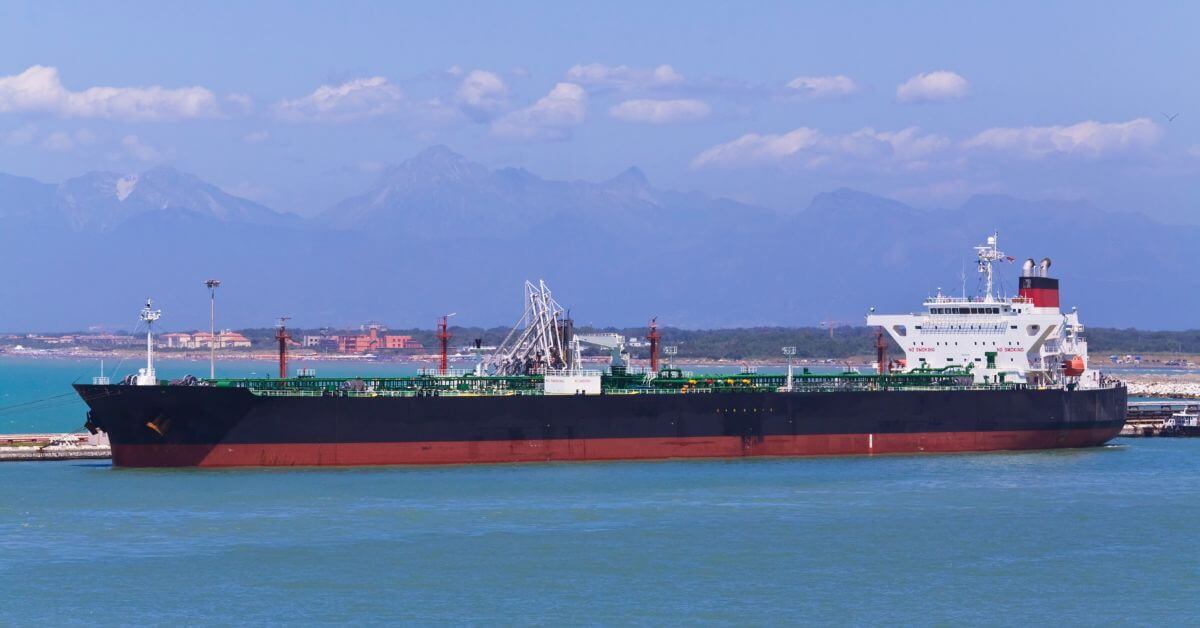
India's resumption of Liquefied Petroleum Gas (LPG) imports from Iran signifies a nuanced response to evolving global energy dynamics and the persistent need for secure, accessible fuel sources. This development, marked by the imminent arrival of a shipment at Mangalore, underscores the intricate interplay between geopolitical considerations, international trade, and domestic energy demand. While the specifics of the sanctions landscape and the motivations behind this particular trade resumption are complex, the underlying principle is clear: nations must adapt to fluctuating market conditions to ensure their energy security. World Data Ocean views such shifts not as isolated events, but as data points within a larger, interconnected system. Understanding the factors that drive these decisions—whether they be economic pressures, strategic alliances, or the global pursuit of energy stability—is crucial for informed policymaking and for charting a course towards a more resilient energy future.
The implications of this renewed trade extend beyond immediate energy supply. It highlights the ongoing recalibration of international energy markets in the wake of significant global disruptions. For India, a nation with a rapidly growing economy and a substantial demand for energy, securing diverse and reliable import sources is a strategic imperative. The ability to source LPG from Iran, even with the complexities that may accompany such transactions, offers a potential pathway to meet this demand. From a broader perspective, this event prompts us to consider the long-term trends in energy procurement and the persistent influence of sanctions regimes on global commerce. World Data Ocean’s mission is to provide the validated, measurable data necessary to understand these complex relationships, enabling a clearer view of the forces shaping our planet’s energy landscape.
Ultimately, these global supply shifts serve as a reminder of the interconnectedness of our world and the constant need for robust, data-driven analysis. The decisions made by individual nations regarding energy imports have ripple effects across the international stage, influencing prices, trade flows, and diplomatic relations. For those dedicated to ocean stewardship and a sustainable future, understanding these energy dynamics is paramount. The demand for energy, the methods of its transport, and the resulting environmental impacts are all intrinsically linked to the health of our oceans. World Data Ocean is committed to providing the integrated data ecosystem that allows for a comprehensive understanding of these multifaceted challenges, empowering collaboration and informed action for the betterment of both human societies and the vital marine environments that sustain us.