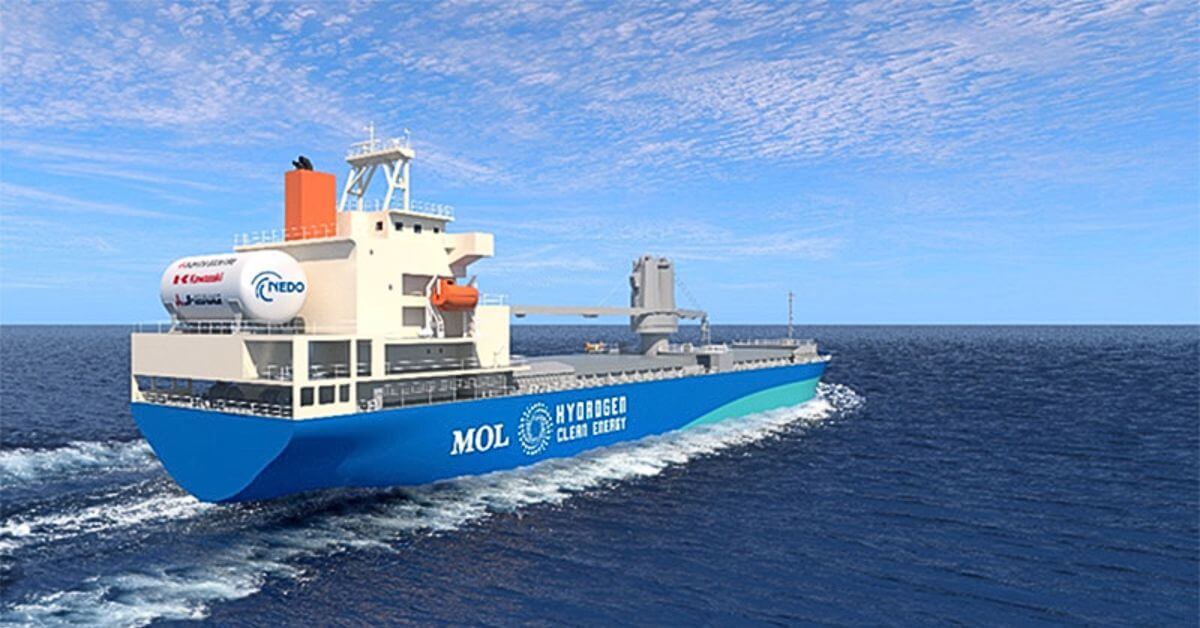
The recent successful operation of the world's first hydrogen-fueled marine engine for a large commercial vessel marks a significant stride in the pursuit of sustainable maritime transport. This development, powered by Kawasaki's innovative hydrogen fuel supply system (MHFS), underscores the tangible progress being made in decarbonizing a sector critical to global trade and connectivity. The integration of this technology onto a commercial vessel signifies a transition from experimental stages to practical application, demonstrating that viable alternatives to traditional fossil fuels are not only conceivable but increasingly achievable. This milestone is a testament to sustained research, development, and strategic partnerships aimed at addressing the environmental impact of shipping.
This advancement is particularly impactful when viewed through the lens of global ocean stewardship. Maritime transport, while essential, contributes substantially to greenhouse gas emissions. The adoption of hydrogen as a fuel source offers a pathway to drastically reduce this footprint, aligning with urgent calls for climate action and the protection of marine ecosystems. The ability to harness clean energy for large-scale operations like shipping is crucial for mitigating the effects of climate change on our oceans, from rising sea levels to ocean acidification. The deployment of such technologies necessitates a collaborative, global approach, fostering an environment where innovation can be shared and scaled to meet pressing environmental challenges.
The successful implementation of hydrogen-powered marine engines is more than just a technological achievement; it represents a shift in mindset towards a more responsible and forward-thinking maritime industry. It highlights the power of scientific authority and technological innovation when directed towards a clear purpose. This transition demands continued investment in research, the development of robust infrastructure for hydrogen production and distribution, and supportive regulatory frameworks. As we observe such milestones, it reinforces the understanding that comprehensive ocean intelligence, built on validated data and empirical research, is fundamental to informing and guiding these critical transitions for a healthier planet. The journey towards a truly sustainable maritime future is ongoing, and this development provides a powerful impetus for further progress.