Hurricane Hunters reveal 4 warning signs that a storm is about to strengthen
Our take
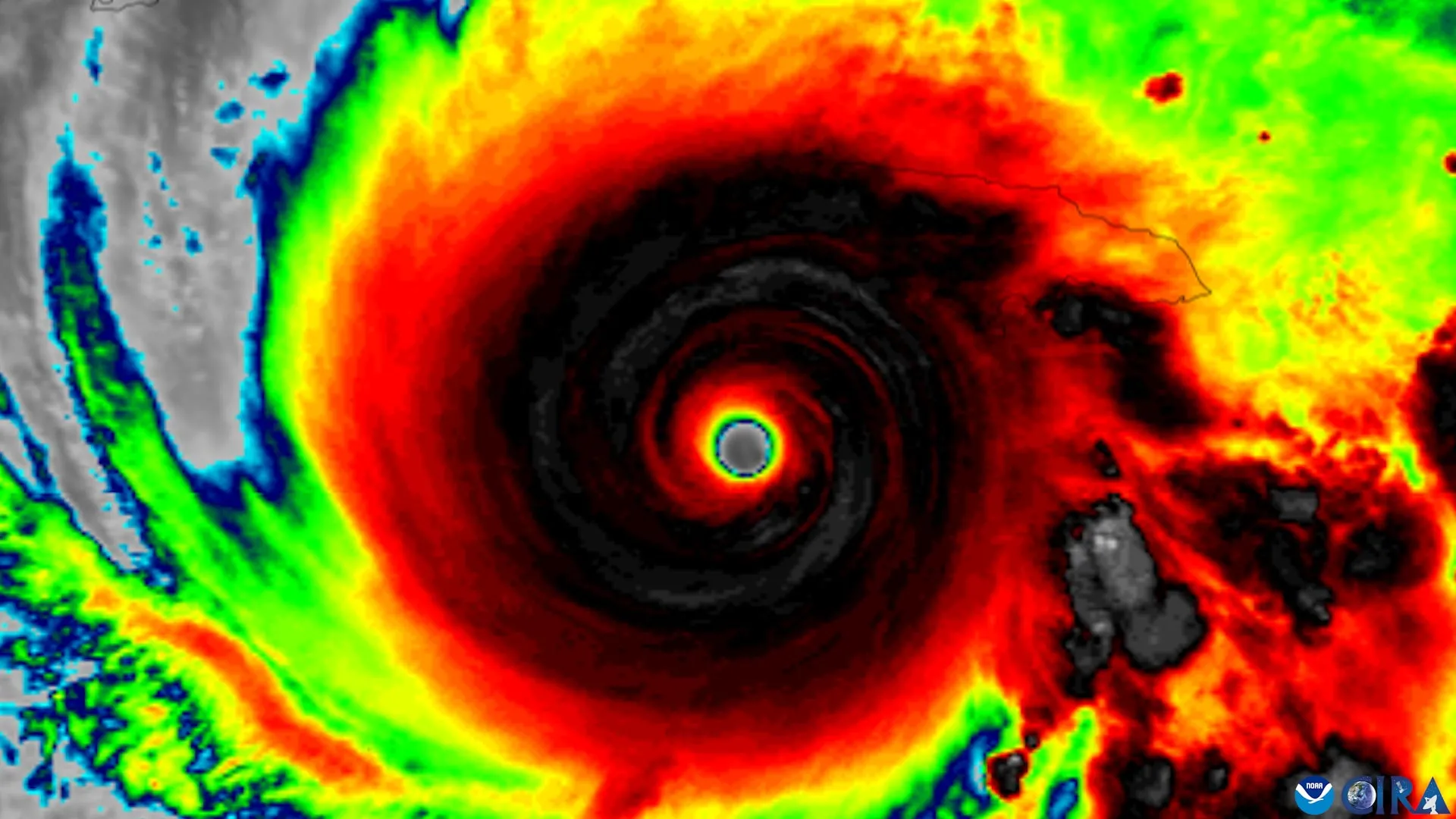
The recent findings regarding hurricane intensification, revealed through nearly three decades of Hurricane Hunter data, underscore a critical need for enhanced predictive capabilities in the face of increasingly volatile climate patterns. The ability to identify early warning signs of a tropical cyclone’s potential for rapid strengthening is paramount for effective disaster preparedness and mitigation. This research aligns with the broader effort to leverage data-driven insights for improved ocean and atmospheric understanding, as exemplified by initiatives like the Data initiative sets sights on tackling global ocean challenges - National Oceanic and Atmospheric Administration (.gov). The identification of four specific features—indicators of a tilted tropical cyclone straightening its circulation—represents a significant step towards more accurate forecasting, moving beyond reactive responses to a more proactive approach. The implications extend far beyond scientific curiosity; they directly impact coastal communities and resource allocation for disaster response.
The observed correlation between these features and subsequent intensification highlights the complexity of tropical cyclone behavior and the ongoing need for empirical validation of predictive models. It’s a testament to the value of longitudinal data collection and analysis—the very foundation of informed decision-making in the realm of climate science. Consider, for example, the context of record-breaking ocean temperatures, as reported in World’s oceans hit hottest temperature on record in August - The Guardian. Warmer ocean waters provide a greater energy source for hurricanes, and the ability to anticipate intensification events becomes even more crucial within this heightened environmental context. This research, combined with discoveries of previously unaccounted-for atmospheric processes such as the Scientists discover a natural Arctic cloud factory missing from climate models, emphasizes how our understanding of the interconnected systems driving extreme weather is continually evolving.
The shift towards identifying precursory indicators, rather than simply reacting to observed intensification, reflects a maturing approach to hurricane forecasting. The Hurricane Hunter data provides a calibrated, real-time view into the inner workings of these storms, allowing scientists to refine models and improve their predictive accuracy. The integrated data ecosystem, encompassing both observational data and sophisticated modeling techniques, is essential for translating these findings into actionable forecasts. This research also implicitly underscores the importance of continued investment in observational platforms—both airborne and satellite-based—that provide the necessary data for validating and refining these models. The ability to move from a descriptive understanding of hurricane behavior to a predictive one is critical for minimizing risk and protecting vulnerable populations.
Looking ahead, the challenge lies in seamlessly integrating these newly identified indicators into operational forecasting models. Further research will likely focus on quantifying the relative importance of each feature and developing automated systems for real-time assessment. A crucial question will be how these indicators interact with other climate indicators, particularly sea surface temperatures and atmospheric wind shear, to produce the most accurate and timely forecasts. The potential to significantly reduce the impacts of these increasingly powerful storms hinges on our continued commitment to scientific rigor and the development of robust, data-driven solutions—an area where ocean intelligence will play an increasingly vital role.
Read on the original site
Open the publisher's page for the full experience