atmospheric science
World Data Ocean keeps atmospheric science in one place: 4 stories so far. The section currently leads with “Early Indicators Predict Tropical Cyclone Intensification”, “Mapping Ocean Winds: NASA Data Fuels New Integrated Atlases”, and “Arctic Ice Edge Creates Unexpected Cloud-Seeding Boost, Climate Models May Need Update”. Four features in a tilted tropical cyclone's structure may signal intensification, according to nearly three decades of Hurricane Hunter data. NASA's new integrated atlases turn decades of satellite measurements into a single, coherent view of ocean winds. A Global Hub for Ocean Intelligence 4 World Data Ocean is a centralized digital platform where researchers, scientists, and ocean enthusiasts converge to… The list below is every atmospheric science story on World Data Ocean, newest first.
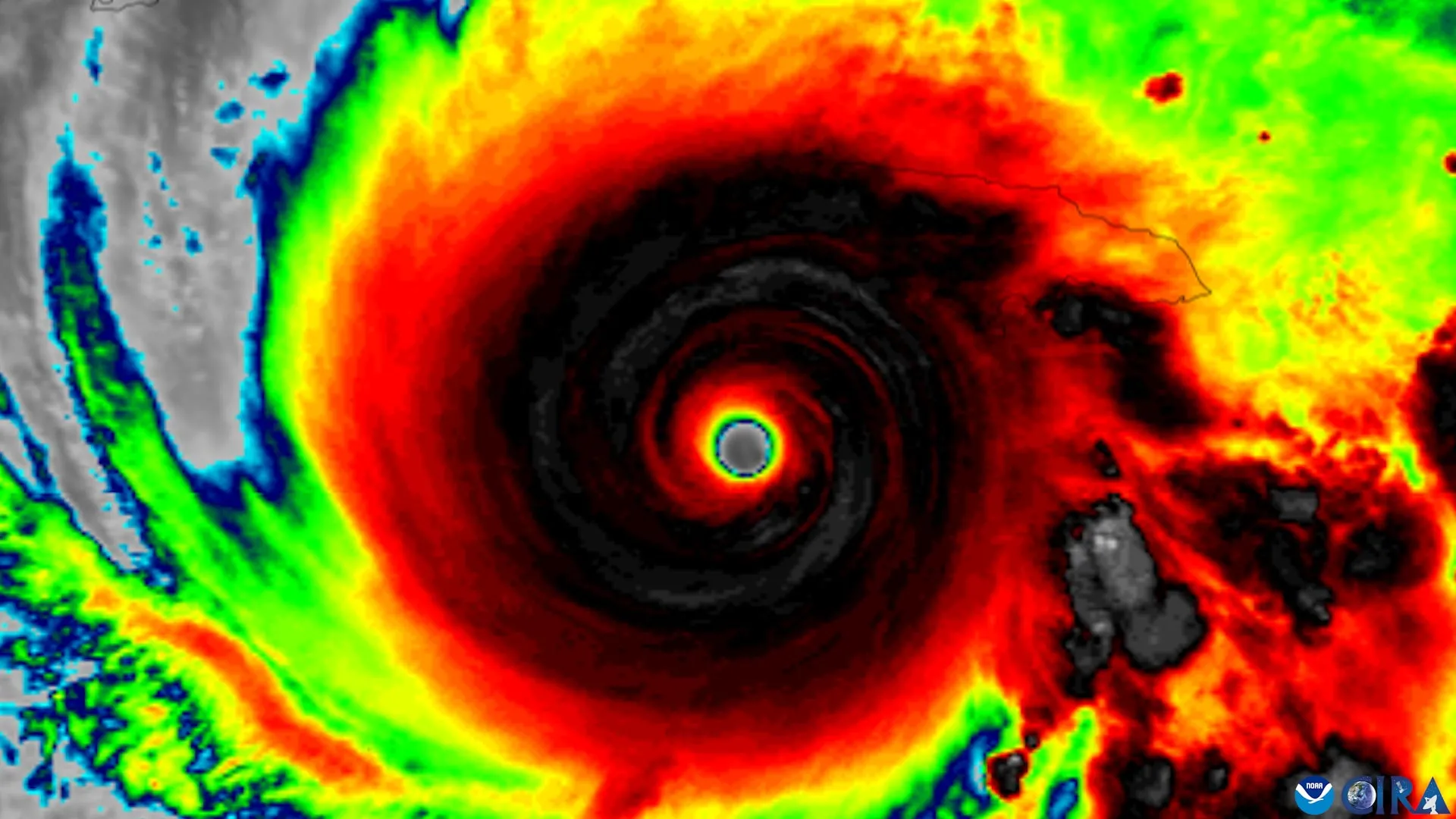
Early Indicators Predict Tropical Cyclone Intensification
Four features in a tilted tropical cyclone's structure may signal intensification, according to nearly three decades of Hurricane Hunter data. These early indicators offer forecasters a practical window to recognize when a disorganized storm is straightening its circulation and building strength. That is the kind of measurable, peer-reviewed insight that turns observation into actionable ocean intelligence. For broader context on how marine systems interconnect, our related coverage, including "Integrated Subsea Cables Enhance Data Transmission Across the Indian Ocean," explores the infrastructure linking our global ocean.

Mapping Ocean Winds: NASA Data Fuels New Integrated Atlases
NASA's new integrated atlases turn decades of satellite measurements into a single, coherent view of ocean winds. This is more than data compilation; it is the kind of calibrated, peer-reviewed synthesis that makes our ocean intelligence actionable. The clarity here is a direct result of validated science, and it sets a standard for how we track climate indicators. For those following how such monitoring connects to broader maritime security, our coverage of the Puntland tanker rescue offers a stark contrast in real-world stakes.

Arctic Ice Edge Creates Unexpected Cloud-Seeding Boost, Climate Models May Need Update
Sunlight meeting melting sea ice is doing more than brightening the Arctic. It is triggering a chemical reaction that multiplies cloud-seeding particles by up to 50 times in a single day. That is a striking jump, and it comes from a region actively expanding as ice retreats. This process deserves serious attention. We should not assume current models capture it. Understanding this mechanism could refine how we project Arctic warming, and that matters for everyone watching the poles.

Aerosol Particles May Intensify Tropical Storms, Research Shows
Deep tropical clouds are hiding a secret in their cores: water-vapor supersaturation at levels high enough to let tiny aerosol particles sharpen storm updrafts. That is the finding from new research, and it suggests earlier studies missed the effect because they were probing the wrong cloud types. The work refines our understanding of storm dynamics, and it pairs well with our look at how early indicators predict tropical cyclone intensification. Understanding these fine-scale mechanisms sharpens the models we rely on.