circulation
circulation at World Data Ocean is a file of 5 stories. The newest of them: “A validated global atlas of ocean thermohaline structure from WOA18”, “Atlantic Circulation Weakens: Global Climate Reshaping Predicted”, and “Early Indicators Predict Tropical Cyclone Intensification”. A validated global atlas of ocean thermohaline structure from WOA18 now offers the scientific community an empirical, peer-reviewed baseline for understanding ocean circulation and climate indicators. For nearly two decades, the Atlantic Meridional Overturning Circulation has been weakening across a broad expanse of ocean, and the evidence is now firmly observational. A Global Hub for Ocean Intelligence 4 World Data Ocean is a centralized digital platform where researchers, scientists, and ocean enthusiasts converge to… The list below is every circulation story on World Data Ocean, newest first.
A validated global atlas of ocean thermohaline structure from WOA18
A validated global atlas of ocean thermohaline structure from WOA18 now offers the scientific community an empirical, peer-reviewed baseline for understanding ocean circulation and climate indicators. This integrated data ecosystem transforms decades of measurements into a measurable, calibrated resource. Understanding drives protection. For deeper context on how real-time ocean intelligence is gathered, see our coverage of Royal Caribbean Group's expanded role as a calibrated platform for ocean data.
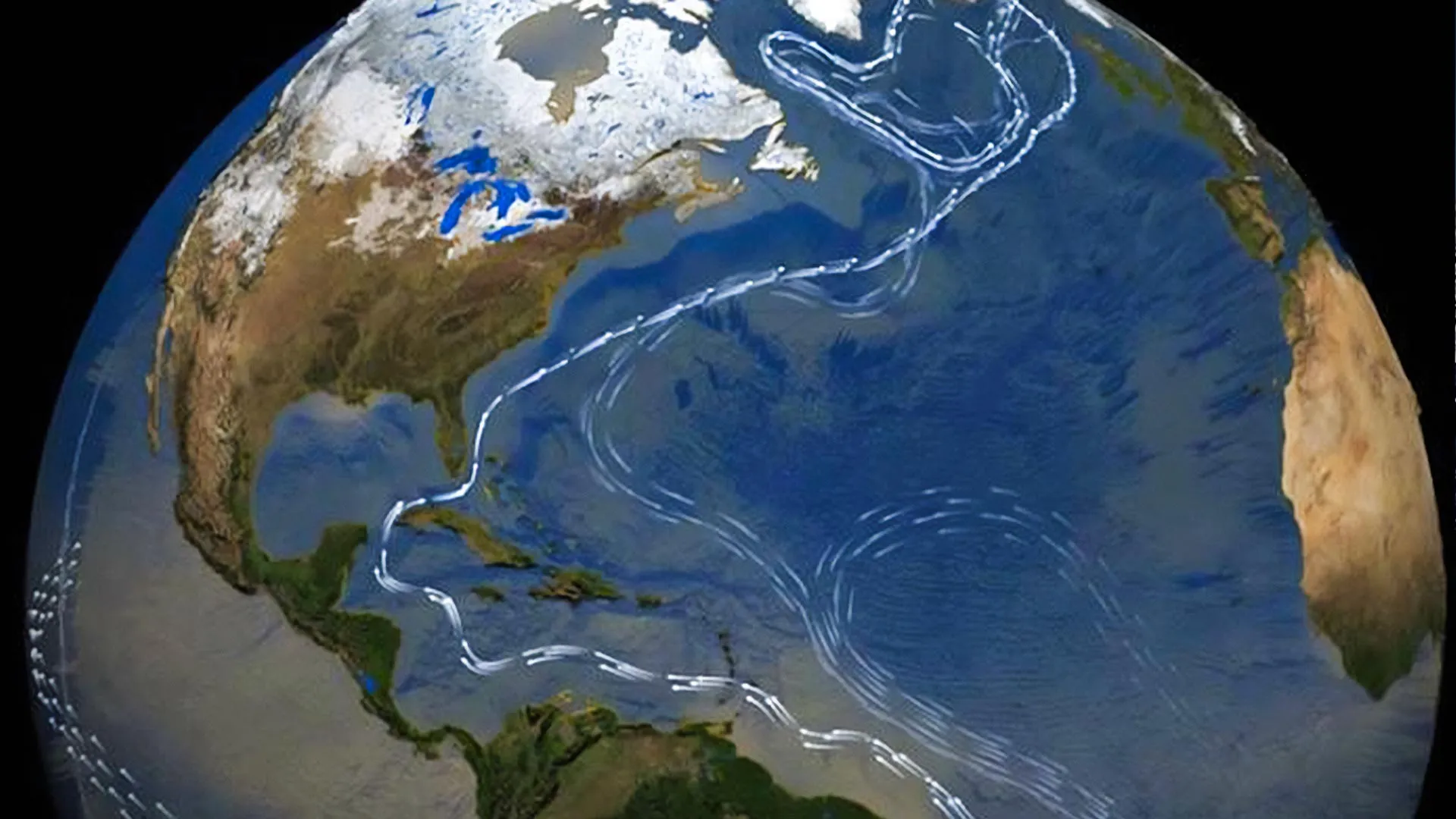
Atlantic Circulation Weakens: Global Climate Reshaping Predicted
For nearly two decades, the Atlantic Meridional Overturning Circulation has been weakening across a broad expanse of ocean, and the evidence is now firmly observational. This isn't a distant model projection; it's a measured slowdown with the potential to redraw weather patterns, storm tracks, and coastal sea levels around the basin. We treat this as a calibrated warning, not speculation. The data demands attention.
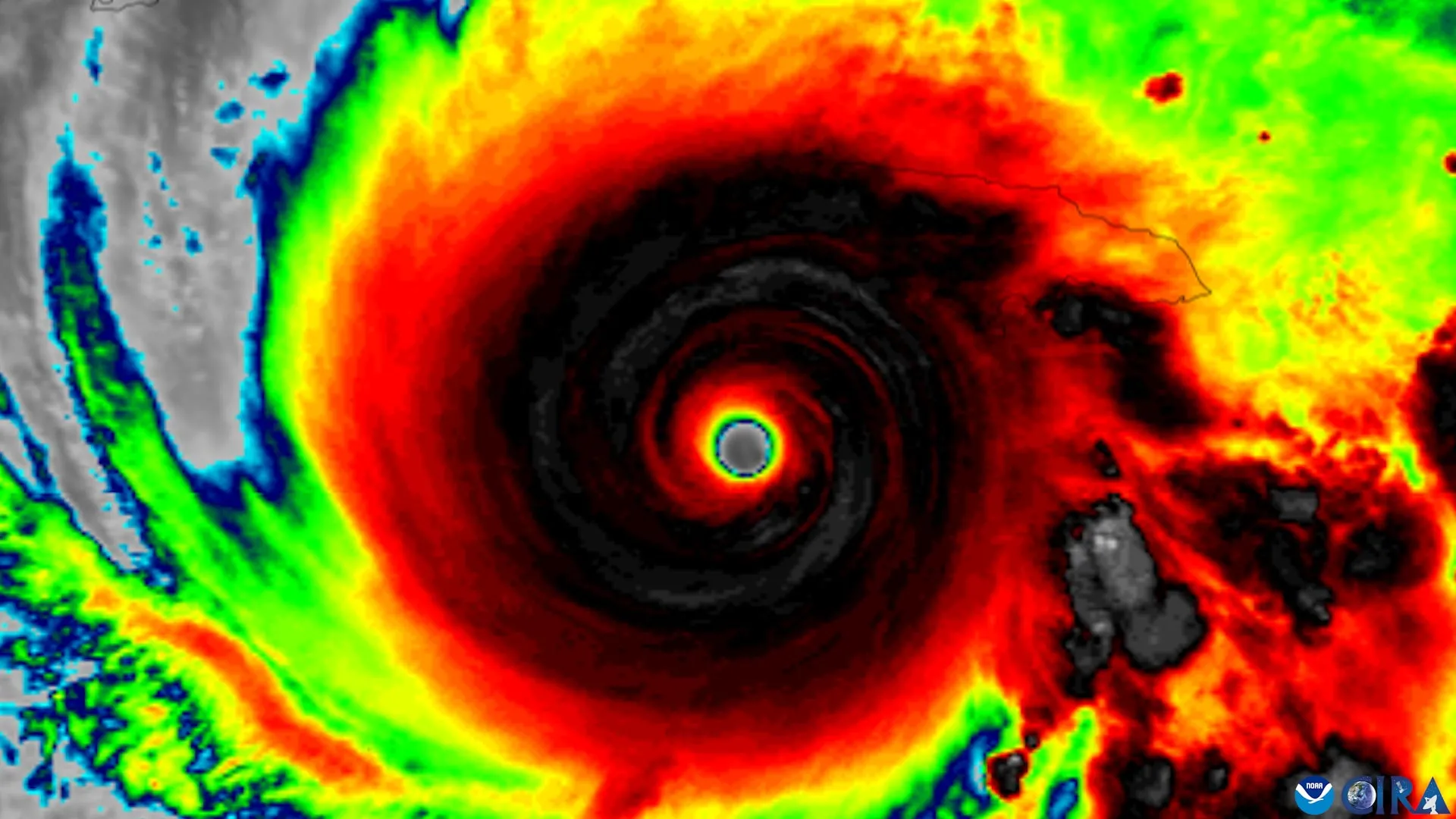
Early Indicators Predict Tropical Cyclone Intensification
Four features in a tilted tropical cyclone's structure may signal intensification, according to nearly three decades of Hurricane Hunter data. These early indicators offer forecasters a practical window to recognize when a disorganized storm is straightening its circulation and building strength. That is the kind of measurable, peer-reviewed insight that turns observation into actionable ocean intelligence. For broader context on how marine systems interconnect, our related coverage, including "Integrated Subsea Cables Enhance Data Transmission Across the Indian Ocean," explores the infrastructure linking our global ocean.

Persistent Low Oxygen Found in Northeast Pacific Fjord Waters
A persistent low-oxygen layer has been identified in the mid-water column of a remote northeast Pacific fjord, notably one without an entrance sill. This feature is sustained by weak reoxygenation processes tied to the region's morphology, and it expands seaward during summer and autumn. The layer also harbors CO2 conditions adverse to local calcifiers, marking it as a multi-stressor habitat. Seasonal shifts overlap sensitive species' ranges, highlighting risks from climate variability.

Rapid Warming Threatens Atlantic Circulation’s Stability
The pace of warming may be the deciding factor for the Atlantic Meridional Overturning Circulation. New research indicates that rapid temperature rise, similar to today's trajectory, can push this massive system past a tipping point far earlier than gradual change would allow. The finding reframes our understanding of climate thresholds. For a broader perspective on how we track these shifts, our related piece, "Atlantic Circulation Weakens: Global Climate Reshaping Predicted," offers additional context.