Hundreds of hidden earthquakes found at Antarctica’s Doomsday Glacier
Our take
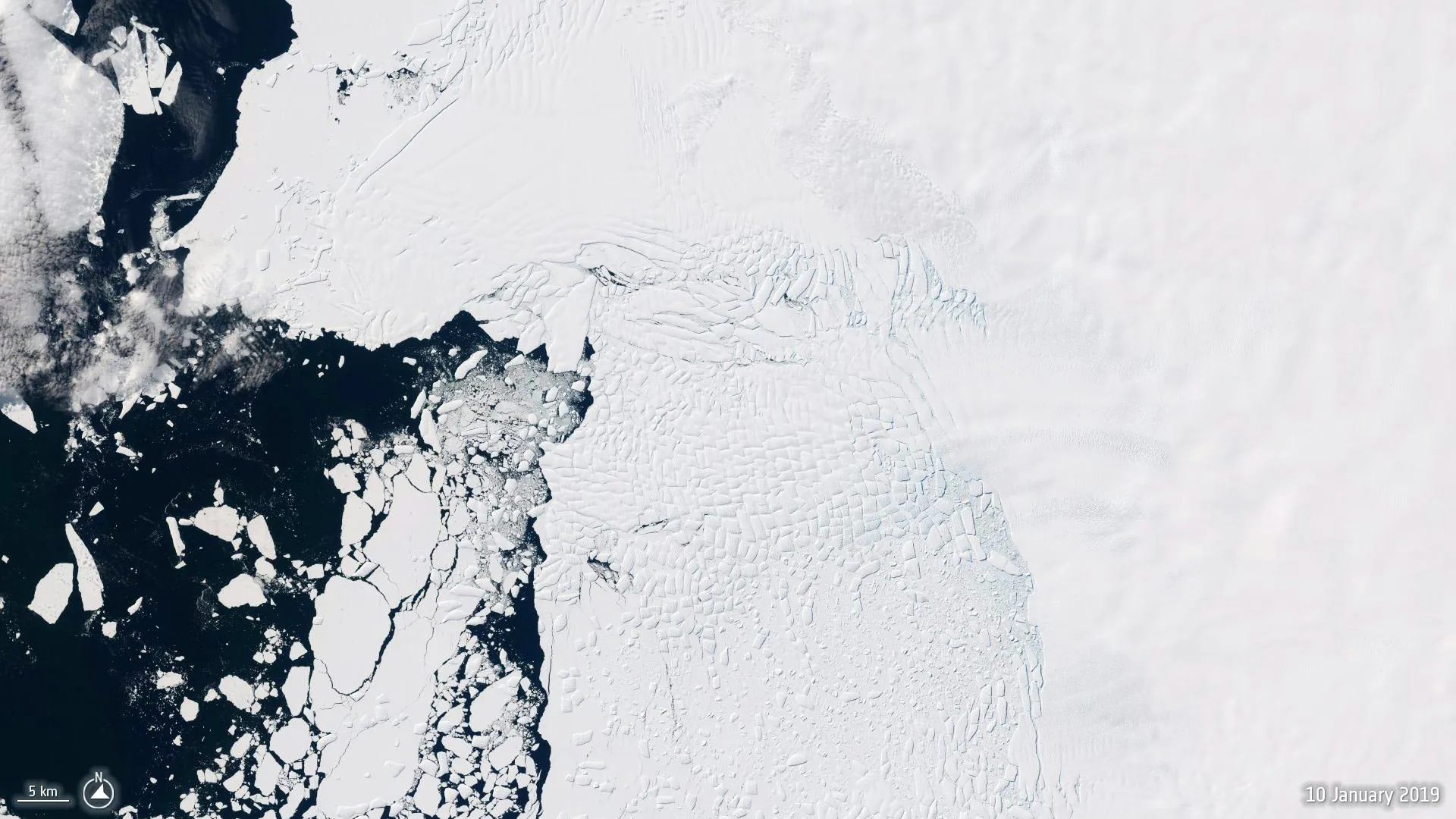
The recent discovery of hundreds of previously undetected seismic events beneath Antarctica, particularly concentrated near the Thwaites Glacier, presents a compelling and concerning development in our understanding of glacial dynamics and ocean-ice interactions. These “glacial earthquakes,” triggered by iceberg calving, capsize, and subsequent collisions, offer a novel window into the processes destabilizing this critical ice sheet. It’s a stark reminder of the complex interplay between terrestrial ice and the surrounding ocean, a theme we've explored in previous pieces like Persistent mid-water column hypoxia in a temperate fjord of the northeast Pacific Ocean, which highlights the broader vulnerability of coastal waters to environmental shifts. The fact that this surge in seismic activity coincided with an acceleration in Thwaites’ flow rate strongly suggests a direct link between changing ocean conditions and glacial instability – a relationship demanding further, validated investigation. This isn't simply about cataloging seismic events; it’s about deciphering the language of a rapidly changing environment.
The implications of this finding extend far beyond the immediate vicinity of Thwaites Glacier. Often referred to as the "Doomsday Glacier" due to its potential to significantly raise global sea levels should it collapse, Thwaites’ stability is a key indicator of the broader Antarctic ice sheet’s response to climate change. The observed correlation between ocean conditions and increased glacial earthquakes suggests a feedback loop: warmer ocean water melts the ice shelf from below, weakening it and leading to more frequent calving events. These events, in turn, generate further stress on the glacier, potentially accelerating its flow into the ocean. Our understanding of these complex interactions is still evolving, as illustrated by research examining the impacts of marine heatwaves, such as Intensifying concurrent marine–atmospheric heatwaves in the marginal seas of the Arabian Peninsula, which demonstrates the intensifying pressures on marine ecosystems globally. The Antarctic discoveries underscore the urgency of improving predictive models to account for these newly identified mechanisms.
The use of seismic monitoring to assess glacial behavior represents a significant innovation in oceanographic research. Traditionally, observations of ice sheet dynamics have relied heavily on satellite imagery and direct field measurements, which, while valuable, offer a limited perspective. Employing a network of seismometers – essentially, listening to the glacier – provides a continuous, real-time stream of data that can reveal subtle shifts in ice sheet stress and behavior. This integrated data ecosystem, combining seismic data with other sources like ocean temperature readings and satellite altimetry, enables a more holistic and calibrated understanding of glacial processes. It’s a shift from observing static conditions to tracking dynamic events, and it aligns with the broader trend of leveraging technological innovation to enhance our ocean intelligence. Furthermore, this approach reinforces the importance of global collaboration; Antarctic research requires international partnerships to deploy and maintain monitoring equipment across such a vast and remote region.
Looking ahead, a critical question arises: how will these seismic patterns evolve as ocean temperatures continue to rise? Will the frequency and intensity of glacial earthquakes increase, signaling an accelerated rate of ice loss? More importantly, can we develop robust, peer-reviewed models that accurately predict these events and their cascading impacts on sea level rise? The current findings highlight the need for longitudinal data collection and sophisticated data analysis techniques to fully characterize the relationship between ocean conditions, glacial stress, and seismic activity. The ongoing exploration of ocean environments and their impact, as exemplified by the career aspirations of individuals hoping to become marine archaeologists, I wanna become a Marine Archeologist, demonstrates a growing recognition of the critical importance of understanding and protecting our planet’s oceans.
Read on the original site
Open the publisher's page for the full experience