seismology
seismology at World Data Ocean is a file of 7 stories. The newest of them: “Seismic data reveals warming oceans are intensifying global wave energy”, “Seismic records measure a strengthening pulse beneath warming oceans”, and “Cascadia’s Subduction Zone Reveals a Fragmented Tectonic Process”. Seismic data is giving us a measurable, real-time look at how warming oceans are intensifying global wave energy. A strengthening pulse beneath warming oceans is now measurable through seismic records. A Global Hub for Ocean Intelligence 4 World Data Ocean is a centralized digital platform where researchers, scientists, and ocean enthusiasts converge to… The list below is every seismology story on World Data Ocean, newest first.

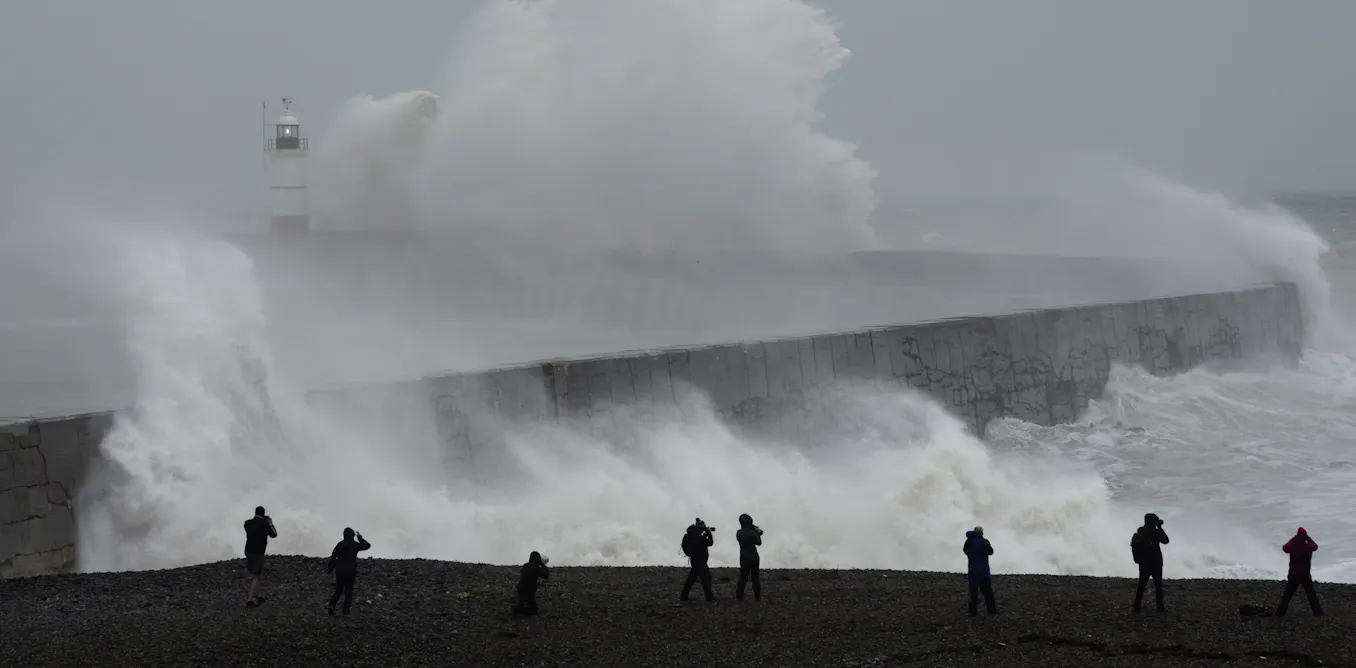
Seismic data reveals warming oceans are intensifying global wave energy
Seismic data is giving us a measurable, real-time look at how warming oceans are intensifying global wave energy. Richard Aster, a geophysics professor at Colorado State University, presents empirical evidence that connects rising ocean temperatures directly to increasing wave power. This is not speculation; it is a validated, peer-reviewed finding that underscores the urgency of ocean stewardship. For deeper context, readers may explore "A Shared Data Ecosystem to Deepen Global Ocean Understanding."
Seismic records measure a strengthening pulse beneath warming oceans
A strengthening pulse beneath warming oceans is now measurable through seismic records. These readings confirm that ocean waves are gaining force as the planet warms, a direct, empirical signal of climate change. We do not need to imagine the impact; the data speaks. This is not speculation. It is calibrated observation. For deeper context on why such monitoring matters, see our coverage of the proposed US cuts that risk losing this calibrated ocean intelligence. Understanding drives protection.
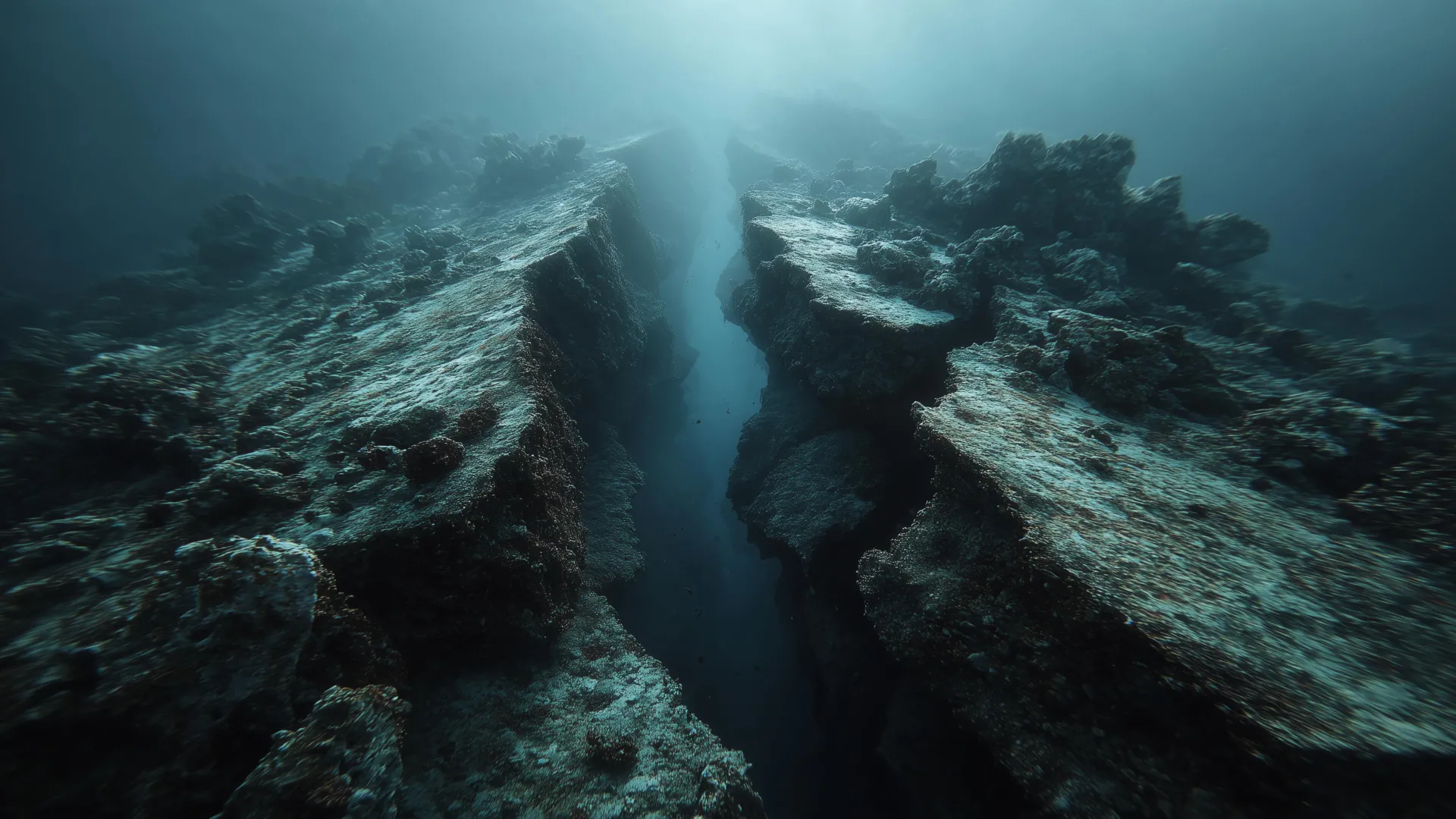
Cascadia’s Subduction Zone Reveals a Fragmented Tectonic Process
Off Vancouver Island, scientists have captured a subduction zone in the act of tearing itself apart. The Cascadia fault is not dying as a single, monolithic system. Instead, new evidence suggests it is fragmenting piece by piece. This process offers a rare window into how ancient plate fragments form and where hidden breaks might influence future seismic activity. Understanding this measured, piecemeal unraveling is key to refining our earthquake models.
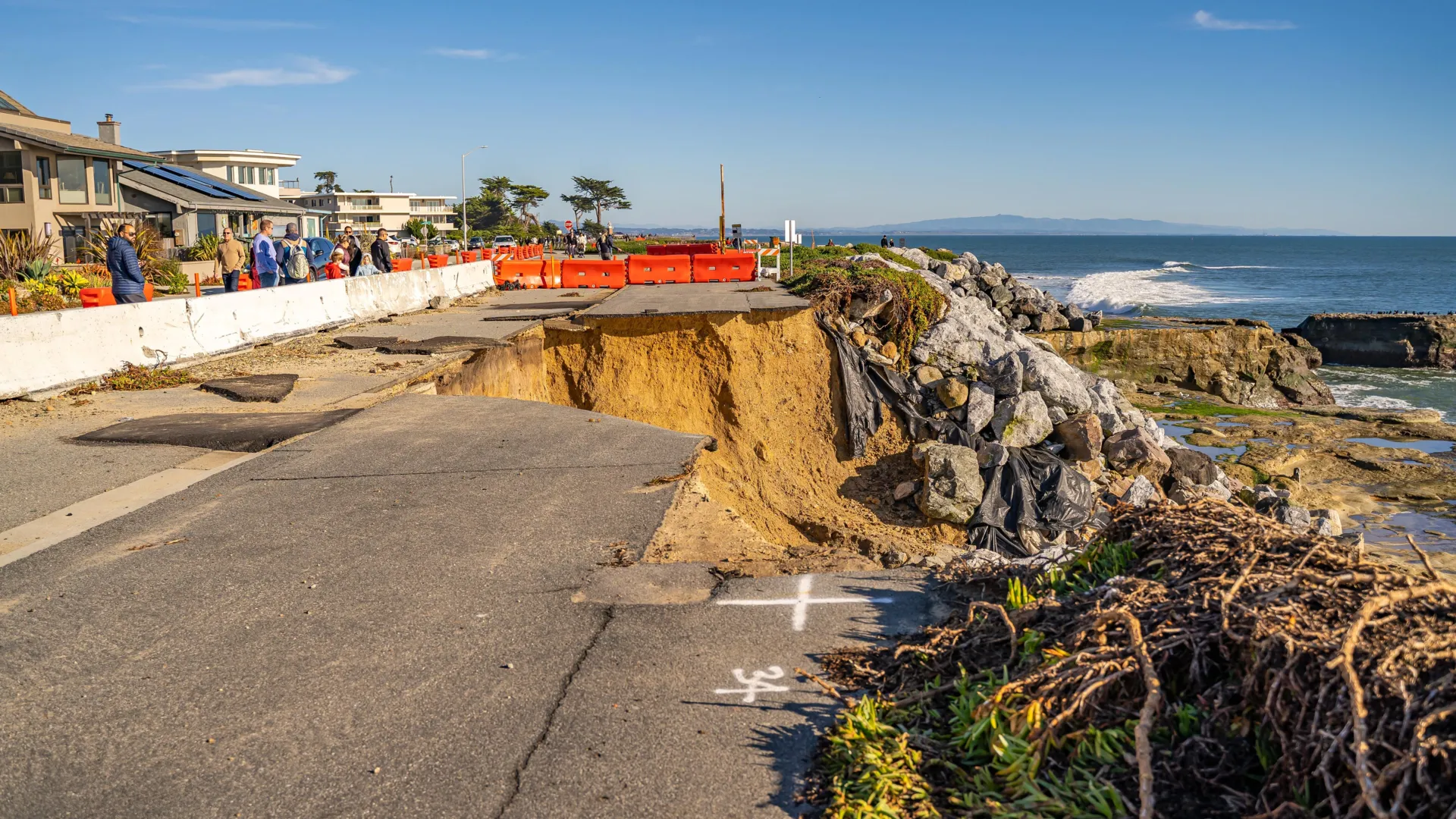
Cascadia and San Andreas: Evidence Suggests Sequential Earthquake Risk
Beneath the Pacific, 3,100 years of ocean sediments tell a story of linked rupture: the Cascadia subduction zone and northern San Andreas fault may occasionally fail in near-tandem, unleashing earthquakes minutes to hours apart. The 1700 event looms large in this record, and the implication is sobering. If synchronization recurs, West Coast cities could face simultaneous emergencies. This is the kind of integrated hazard that demands our attention.

Ocean Warming Amplifies Seismic Activity Through Increased Wave Energy
Seismic records now show something worth pausing on: ocean waves are gaining strength as the planet warms, and that energy is registering deep in the Earth's crust. This is not a distant concern; it is a measurable, peer-reviewed signal that links climate indicators directly to ground motion. The data is clear, and it demands we take the connection between warming oceans and seismic activity seriously.
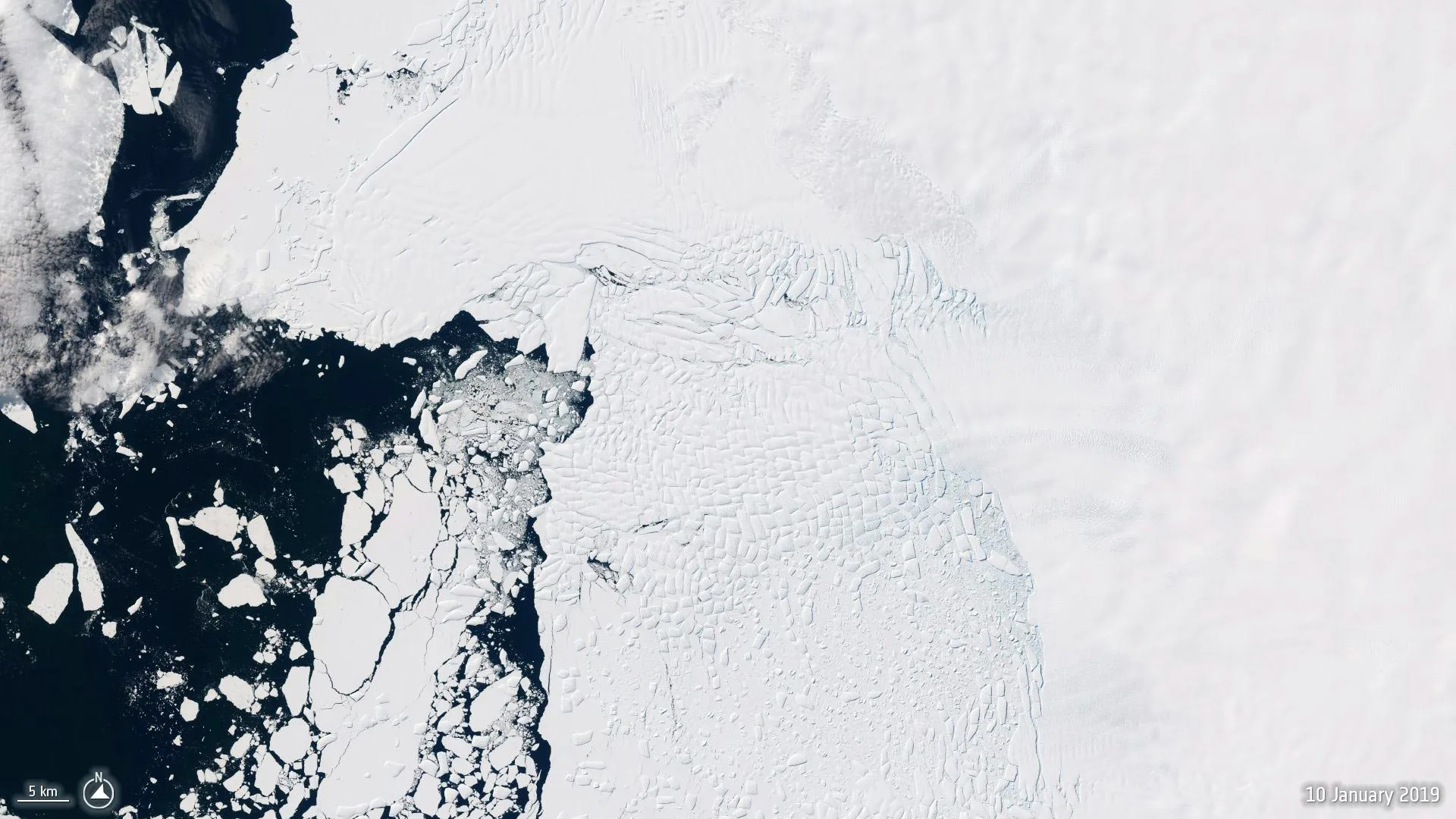
Seismic Activity Intensifies Under Thwaites Glacier, Revealing Ice Dynamics
Hundreds of previously overlooked seismic events have been detected beneath Antarctica, including 245 near Thwaites Glacier's marine edge, many tied to glacial earthquakes triggered when icebergs break off and collide. This surge coincided with Thwaites accelerating toward the ocean, a correlation that sharpens our focus on how shifting ocean conditions destabilize ice. It is a measurable reminder that what happens below the surface dictates what changes above it. For deeper context on these dynamics, our piece on real-time ocean simulations offers a complementary view.
Cascadia and San Andreas: Linked Earthquake Risk Emerges from Ocean Data
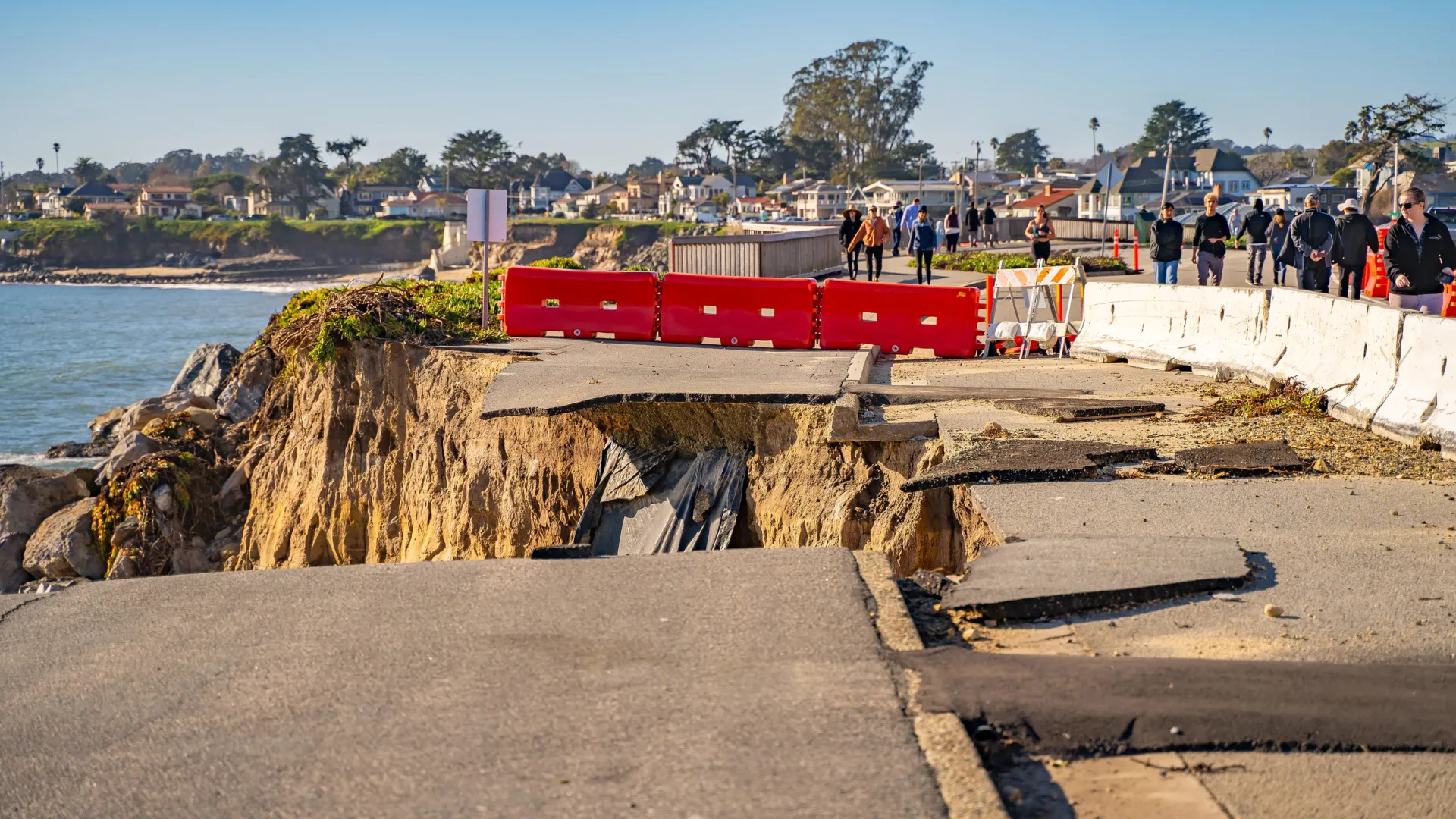
Sediment layers preserved in the ocean floor now suggest that a major Cascadia rupture may have repeatedly triggered a second quake on the San Andreas Fault. The pattern, drawn from thousands of years of underwater landslide records, points to a troubling possibility: these two fault systems may not always act alone. The finding reframes how we understand seismic risk along the West Coast.