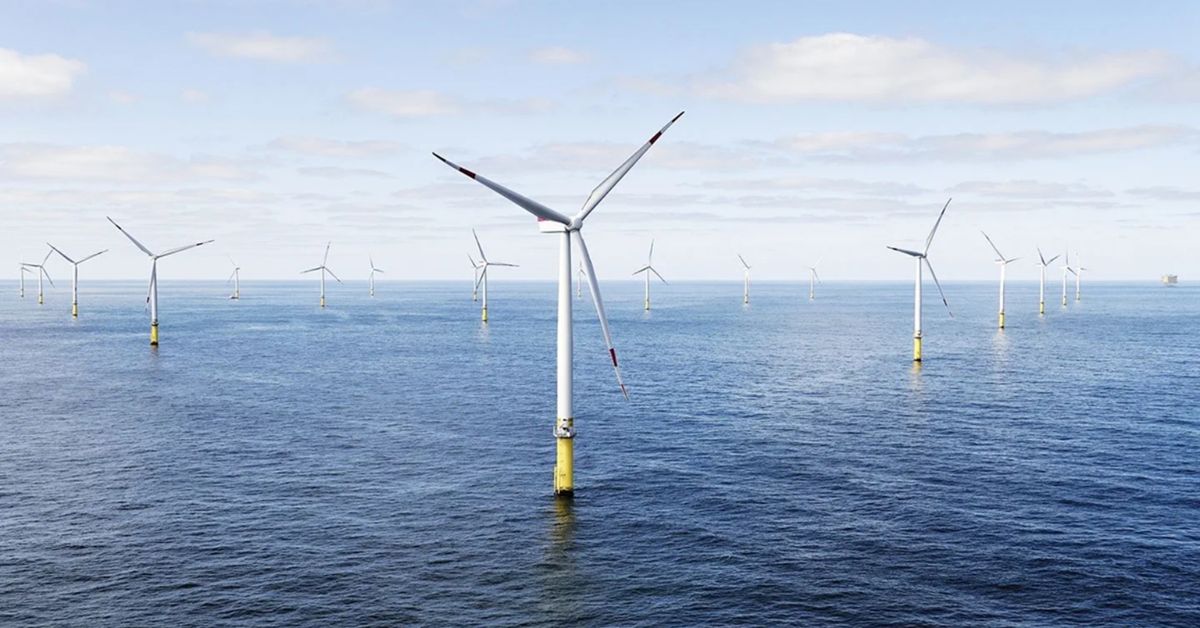
The recent connection of the first export cable for Hornsea 3, the world's largest offshore wind farm, to the British coast marks a significant advancement in the United Kingdom's climate transition. This milestone, achieved on March 26, 2026, underscores the tangible progress being made in harnessing renewable energy on an unprecedented scale. The sheer magnitude of Hornsea 3, situated in the North Sea, represents a substantial investment in clean energy infrastructure, directly contributing to the reduction of carbon emissions and the diversification of the UK's energy portfolio. This development is not merely about generating electricity; it is about fundamentally reshaping how a nation powers its future, moving away from fossil fuels and embracing a sustainable energy paradigm. The successful integration of such a colossal project demonstrates the growing maturity of offshore wind technology and its capacity to deliver reliable, large-scale power.
The technical achievement of connecting an export cable from the seafloor to the mainland is a testament to the sophisticated engineering and collaborative efforts involved. This process requires precise execution, considering the dynamic marine environment and the immense scale of the operation. Such infrastructure projects are vital for translating ambitious climate goals into concrete realities. The data generated from the operational performance of Hornsea 3 will undoubtedly provide valuable insights into the long-term viability and efficiency of offshore wind farms, contributing to the broader scientific understanding of renewable energy systems. This empirical evidence is crucial for informing future policy decisions, investment strategies, and technological advancements in the sector, reinforcing the importance of measurable outcomes in driving climate action.
World Data Ocean views this development as a powerful illustration of how technological innovation, when coupled with a clear purpose, can accelerate global climate objectives. The successful deployment and connection of Hornsea 3’s infrastructure highlight the critical role of data in understanding and managing our planet’s resources. As more renewable energy projects come online, the need for robust, integrated data ecosystems to monitor their impact, optimize performance, and ensure environmental stewardship becomes increasingly paramount. This landmark event is not an isolated success but a part of a larger, unfolding narrative of global commitment to a sustainable future, where scientific validation and collaborative action are the cornerstones of meaningful progress.