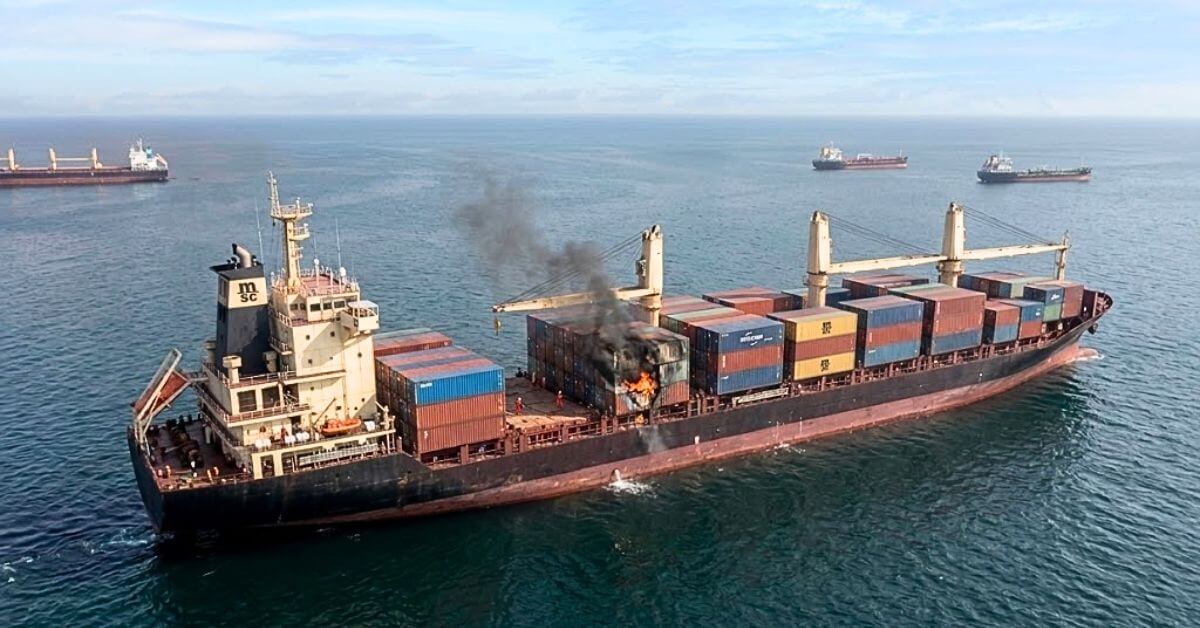
The recent incident involving an attack on a vessel in the Hormuz Strait underscores the critical need for robust, data-driven analysis of maritime security and its broader regional implications. While initial reports often focus on the immediate event, a comprehensive understanding requires the integration of multiple data streams to assess damage, track vessel movements, and evaluate the cascading effects on trade routes and geopolitical stability. World Data Ocean is committed to providing the validated, measurable insights necessary to navigate such complex situations, transforming raw information into actionable ocean intelligence. Our approach emphasizes the longitudinal tracking of maritime activity and the empirical assessment of damage, moving beyond anecdotal evidence to establish a clear, objective picture of events. This meticulous data collection and analysis are fundamental to informing both immediate responses and long-term strategic planning for maritime safety and security.
Understanding the true impact of incidents like the Hormuz Strait attack necessitates an integrated data ecosystem. This includes not only direct observations of vessel damage but also the real-time monitoring of shipping traffic, correlating disruptions with economic indicators and regional security postures. Our work focuses on calibrating these diverse data sets to reveal patterns and dependencies that might otherwise remain obscured. For instance, by analyzing historical vessel traffic data alongside real-time AIS (Automatic Identification System) feeds and satellite imagery, we can quantify the extent of trade route diversion, estimate economic losses, and identify potential choke points that could be exploited. This granular, peer-reviewed approach to data processing allows us to move beyond speculation and provide a scientifically grounded perspective on the challenges facing global maritime operations.
The implications of such events extend far beyond the immediate vicinity of the incident. The Hormuz Strait, as a vital chokepoint for global energy supplies, has a disproportionate impact on international markets and geopolitical relations. Therefore, our analysis seeks to provide a holistic view, connecting localized events to global climate indicators and economic trends. By fostering global collaboration among researchers, maritime authorities, and industry stakeholders, World Data Ocean aims to build a shared repository of knowledge that empowers informed decision-making. This collaborative spirit is essential for developing effective strategies to mitigate risks, enhance maritime resilience, and ultimately, promote the responsible stewardship of our oceans and the vital trade routes they support. Understanding drives protection, and through precise, integrated data, we can foster a more secure and stable maritime future.