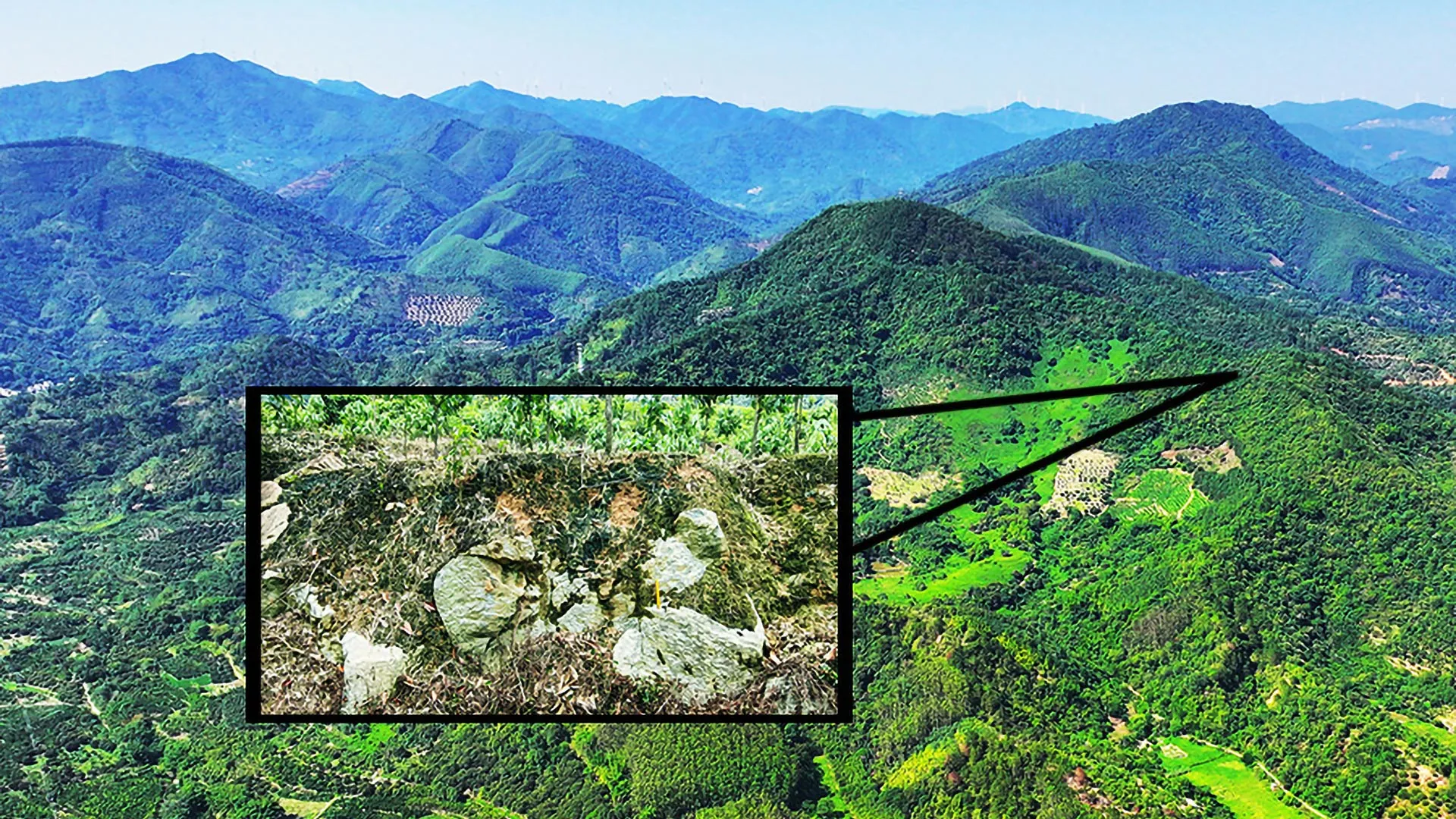
The recent discovery of a massive, well-preserved impact crater in Guangdong marks a significant advancement in our understanding of Earth’s recent geological past. This 900-meter wide structure, dating to the Holocene epoch, is a geological rarity, particularly given the region's historically high erosion rates. The presence of shock-damaged quartz within the crater unequivocally confirms the immense forces unleashed by a powerful meteorite strike. This finding not only adds a crucial data point to the catalog of terrestrial impact events but also prompts a re-evaluation of the frequency and impact of such occurrences during a period critical to human civilization’s development. The exceptional preservation of this crater offers a unique opportunity for in-depth scientific investigation, promising to yield invaluable insights into the dynamics of impact events and their environmental consequences.
This Holocene crater discovery underscores the dynamic nature of our planet and highlights the ongoing processes that shape its surface, often in ways we are only beginning to uncover. The sheer scale of this event, evidenced by the crater’s dimensions and the telltale shock metamorphism in the quartz, suggests a meteorite impact of considerable magnitude. Understanding the precise timing and energy of this strike allows us to refine our models of Earth's impact history, particularly during the Holocene, a period characterized by significant environmental changes and the rise of human societies. The ability to study such a feature in a region typically prone to rapid geological alteration is a testament to the complex interplay of geological forces and provides a vital window into events that might otherwise have been erased by time and erosion.
The implications of this discovery extend beyond purely geological interest. By providing empirical evidence of a substantial impact event within the Holocene, this crater contributes to a broader understanding of planetary resilience and the potential for catastrophic events. Such validated data is essential for informing scientific research, supporting evidence-based policy decisions, and fostering a more comprehensive appreciation for Earth's intricate history. As we continue to develop integrated data ecosystems and leverage advanced analytical techniques, discoveries like the Guangdong crater reinforce the importance of persistent scientific inquiry and collaborative efforts in piecing together the story of our planet. Understanding drives protection, and this remarkable find offers a powerful new chapter in that ongoing narrative.