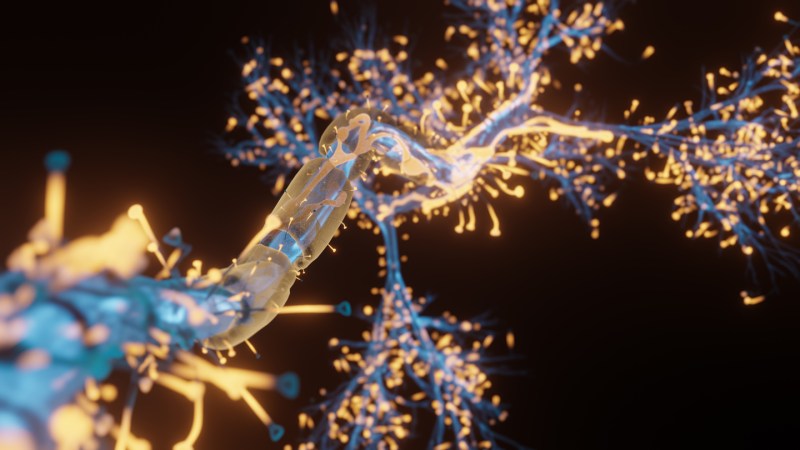
The discovery that hibernating mice can lose and regrow half of the connections in their memory centers, while key hubs remain intact, is a striking piece of biological news. It is not just a curiosity about how animals sleep through winter; it is a lesson in how the brain manages profound change without losing its core identity. We watch this study with genuine interest because it touches on a question that drives much of our work: what is essential in a complex system, and what can be rebuilt? The finding suggests that resilience is not about avoiding disruption, but about having certain anchor points that survive the storm. For our readers, whether they study neural networks or coastal ecosystems, this is a reminder that stability often looks like a few fixed nodes holding a dynamic structure together.
Our honest take is that this research offers a practical framework for interpreting data from any long-term observation project. Consider our own ocean intelligence platforms, where we track climate indicators and integrated data ecosystems. We see similar patterns of loss and regrowth in marine habitats, where certain keystone features persist even as the surrounding environment shifts. The mouse brain is a physical system, and so is a coral reef. The takeaway here is that we should not panic when we see a system shed a large portion of its connections, because that may be a normal, adaptive process. Instead, we should focus on identifying which hubs are non-negotiable. If a memory center can lose half its synapses and still function, then we must ask which structures in our own monitoring networks are truly load-bearing. This is a call to measure resilience by the survival of key nodes, not by the absence of change.
What would we tell a reader who asks about this? We would say this: do not interpret rapid loss of connectivity as a sign of failure. The mice are not impaired after their hibernation; they regrow connections, and their memory centers remain operational because the hubs were preserved. This has a direct consequence for how we interpret our own long-term datasets. When we see a sharp drop in a particular metric, such as dissolved oxygen levels or species abundance, we should not immediately assume a collapse. We should ask whether the critical hubs, the species or processes that hold the system together, have survived. If they have, recovery is possible. If they have not, that is the real alarm. The open question for us, and for you, is whether we can identify those hubs before a disturbance hits. We cannot watch every variable, but we can commit to tracking the few that matter most. That is the concrete point to watch: which connections are the anchors, and are they being protected?