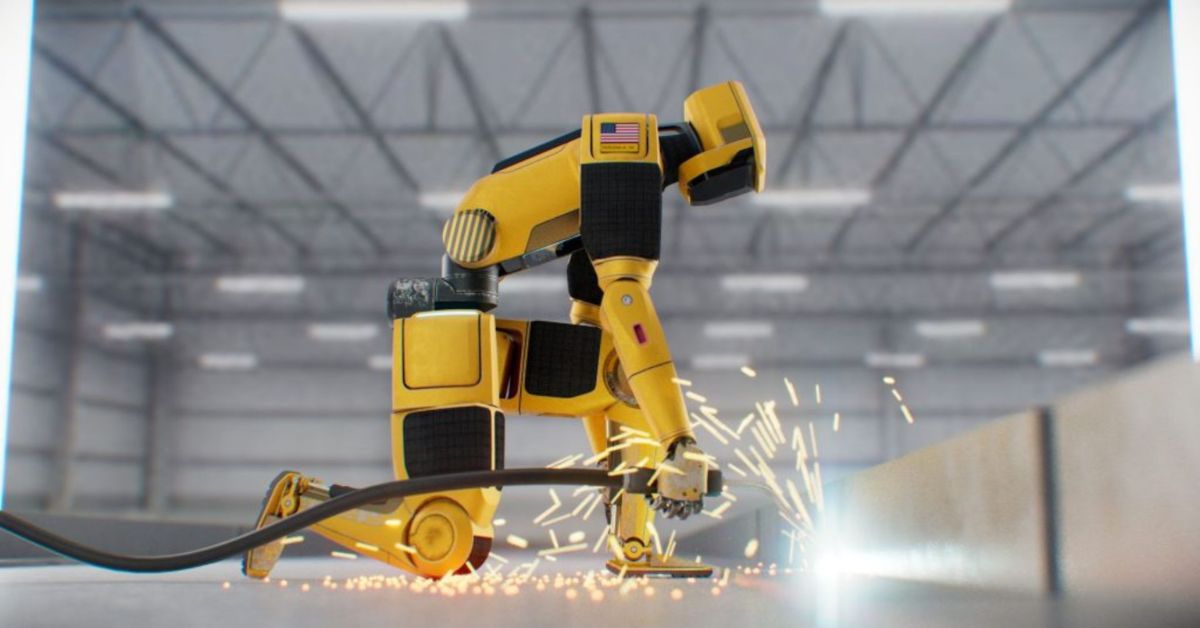
The evolution of industrial processes, particularly within sectors as vital and demanding as shipbuilding, necessitates a continuous re-evaluation of operational methodologies. The recent advancements in automated welding represent a significant stride forward, directly addressing two critical challenges: the persistent labor gap and the imperative to enhance safety standards. Within shipyards, welding is not merely a task; it is a fundamental operation that demands precision, skill, and, crucially, a commitment to the well-being of the workforce. The inherent risks associated with traditional welding practices, from exposure to hazardous fumes to the potential for burns and other injuries, have long been a concern for industry leaders and safety advocates alike. Coupled with this, the global shortage of experienced and skilled welders presents a tangible bottleneck to production and innovation. Automated welding offers a scientifically validated solution, capable of not only mitigating these risks but also augmenting overall productivity and quality.
The integration of automated welding systems signifies a deliberate pivot towards a more technologically driven and data-informed approach to industrial operations. These systems, often employing sophisticated robotics and AI, are designed to perform welds with a level of consistency and accuracy that can surpass human capabilities. This precision is not just about aesthetic perfection; it translates into stronger, more reliable structural integrity for vessels, which is paramount in maritime applications where performance and safety are non-negotiable. Furthermore, by taking on the most hazardous and repetitive aspects of the welding process, automation liberates human workers to focus on higher-level tasks such as quality control, system maintenance, and complex problem-solving. This collaborative synergy between human expertise and machine efficiency is the hallmark of forward-thinking industrial development, fostering an environment where innovation can thrive without compromising safety or workforce development.
From a broader perspective, the adoption of automated welding aligns with World Data Ocean's commitment to fostering global collaboration and driving impactful solutions for critical industries. The development and implementation of such technologies require a shared understanding of challenges and a collective effort to engineer robust, scalable solutions. By embracing these innovations, shipyards are not only securing their operational future by addressing labor deficits but are also contributing to a safer and more sustainable industrial landscape. This is precisely the kind of measurable progress that underscores the importance of scientific authority and technological innovation in safeguarding and advancing vital global sectors. The move towards automated welding is a clear demonstration that understanding drives protection, and that by leveraging advanced capabilities, we can build a more resilient and secure future for industries that are foundational to our global economy and connectivity.