Hanwha Ocean Faces $1 Billion Damages Claim Over Cancelled Contracts For Russia’s Arctic LNG 2
Our take
The escalating legal battle between Arctic LNG 2 and Hanwha Ocean, with a $1 billion damages claim now lodged with the Singapore International Arbitration Centre, underscores the complex and evolving geopolitical landscape impacting maritime contracts and energy infrastructure. This dispute, stemming from the termination of shipbuilding agreements, is not an isolated incident. It follows a pattern of disruptions within the global shipping and energy sectors, as evidenced by recent disputes like the [Oil Tanker Firm Says It Is Owed $55 Million By A Counterparty In Freight Rate Dispute], demonstrating the fragility of contractual agreements when influenced by broader international tensions. The cancellation itself reflects the pressure exerted by sanctions and export controls following Russia’s invasion of Ukraine, forcing companies to re-evaluate their commitments to projects involving Russian entities. The sheer scale of the claim highlights the significant financial risks associated with operating in politically sensitive regions, and the potential for protracted legal battles to further destabilize already volatile markets.
The Arctic LNG 2 project, aimed at harnessing Russia’s vast natural gas reserves in the Arctic, has faced considerable headwinds beyond the Hanwha Ocean dispute. The project’s viability has been questioned due to logistical challenges inherent in Arctic operations, coupled with the increased scrutiny and potential sanctions associated with Russian energy ventures. Recent events involving the [Video: Russian Military-Linked Cargo Ship Reportedly Struck 12 Times By Drones Near Crete] further emphasize the heightened risks and security concerns surrounding maritime traffic in the region. This incident, alongside the ongoing complexities of navigating international sanctions regimes, adds another layer of uncertainty to Arctic LNG 2’s future. The situation is further complicated by the intricate network of international shipping and financing involved in LNG projects, where even seemingly tangential connections can trigger legal and financial repercussions. The movement of the [Qatar LNG Tanker Sails Through Strait Of Hormuz For First Time Since July] highlights the broader shifts in global energy trade routes and the efforts to diversify LNG supply chains, potentially diminishing the long-term strategic importance of Arctic LNG 2.
From a broader perspective, this arbitration case serves as a cautionary tale for companies involved in international projects, particularly those operating within regions subject to geopolitical instability. The need for rigorous due diligence, robust contract clauses addressing force majeure and political risk, and a clear understanding of international sanctions regulations has never been more critical. The legal proceedings will likely establish precedents regarding the enforceability of contracts in the face of rapidly changing political circumstances and the allocation of risk between parties. The empirical data surrounding these types of disputes, if properly calibrated and analyzed, can provide valuable longitudinal insights for risk management and investment strategies in the global maritime sector. The integrated data ecosystem required to effectively assess these risks necessitates real-time monitoring of geopolitical events, sanctions updates, and contractual obligations – a challenge demanding sophisticated analytical capabilities.
Ultimately, the Hanwha Ocean – Arctic LNG 2 dispute represents more than just a financial disagreement; it is a symptom of a larger restructuring of global trade and investment flows. The case’s outcome will undoubtedly shape the legal and commercial landscape for companies operating in sensitive regions and underscores the importance of prioritizing validated risk assessments and adaptable business strategies. The question now becomes: how will international arbitration bodies balance contractual obligations with the realities of evolving geopolitical constraints, and what impact will this have on the future of energy infrastructure projects in politically complex areas?
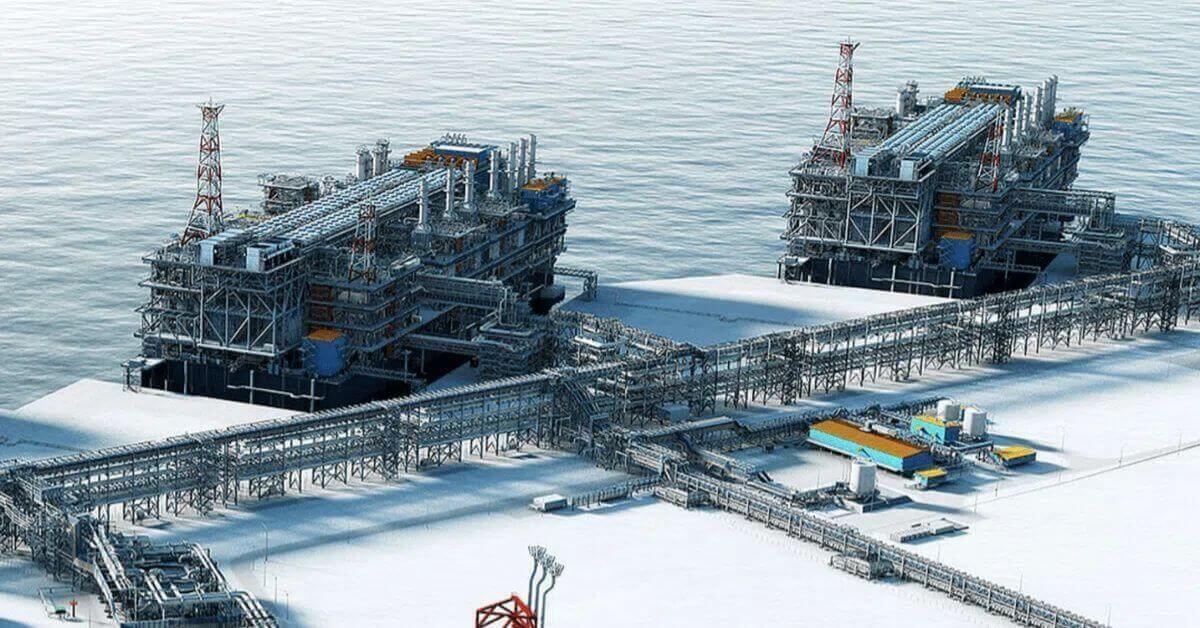
South Korean shipbuilder Hanwha Ocean is facing a claim of about $1 billion from Russia’s Arctic LNG 2 project over cancelled contracts to build LNG carriers.
Arctic LNG 2 has filed a claim with the Singapore International Arbitration Centre over a terminated shipbuilding contract, Hanwha Ocean said in a disclosure dated Sept. 3.
The claim is worth 1.37 trillion won, or about $1.02 billion.
The dispute involves three LNG carriers. Hanwha Ocean had agreed to build six Arc7 tankers, three for Russia’s Sovcomflot and three for Japan’s Mitsui O.S.K. Lines.
Hanwha Ocean, formerly known as Daewoo Shipbuilding & Marine Engineering, has previously said the three tankers ordered by Sovcomflot were cancelled because of sanctions on Russia.
Arctic LNG 2 Hit by US Sanctions
Arctic LNG 2 is led by Russia’s Novatek, which owns 60% of the project. The project was expected to become one of Russia’s biggest LNG plants, with a planned output of 19.8 million metric tons a year.
But U.S. sanctions over Russia’s actions in Ukraine have made it harder for the project to move ahead.
Novatek started production at Arctic LNG 2 in December 2023. The first cargoes reached customers in August 2024. All of those customers were in China.
The sanctions also affected plans to build LNG carriers for the project.
Three Tankers Cancelled
Hanwha Ocean had agreed to build six Arc7 LNG carriers for Arctic LNG 2.
Three were ordered by Russia’s Sovcomflot and three by Japan’s Mitsui O.S.K. Lines.
Hanwha Ocean has said the three Sovcomflot orders were cancelled because of sanctions against Russia.
The new claim from Arctic LNG 2 is linked to one of the shipbuilding contracts that was later ended.
$1.02 Billion Arbitration Claim
Hanwha Ocean said in its Sept. 3 filing that Arctic LNG 2 had taken the case to the Singapore International Arbitration Centre.
The company is seeking 1.37 trillion won, or about $1.02 billion. The exchange rate used was $1 for 1,341.9600 won.
References: Reuters, Upstream Online
Read on the original site
Open the publisher's page for the full experience