LNG carriers
6 stories filed under LNG carriers on World Data Ocean. The newest of them: “Optimal LNG Carrier Design: Boosting Capacity, Reducing Costs”, “Arctic LNG 2 Seeks $1 Billion in Arbitration Against Hanwha Ocean”, and “Record Canal Transit Fee Reflects Growing Demand for Ocean Routes”. A 200,000m³ LNG carrier can move more gas per voyage without sacrificing access to the terminals that matter most. Arctic LNG 2 has filed a $1 billion arbitration claim against Hanwha Ocean in Singapore, a direct consequence of a terminated shipbuilding contract. A Global Hub for Ocean Intelligence 4 World Data Ocean is a centralized digital platform where researchers, scientists, and ocean enthusiasts converge to… The list below is every LNG carriers story on World Data Ocean, newest first.
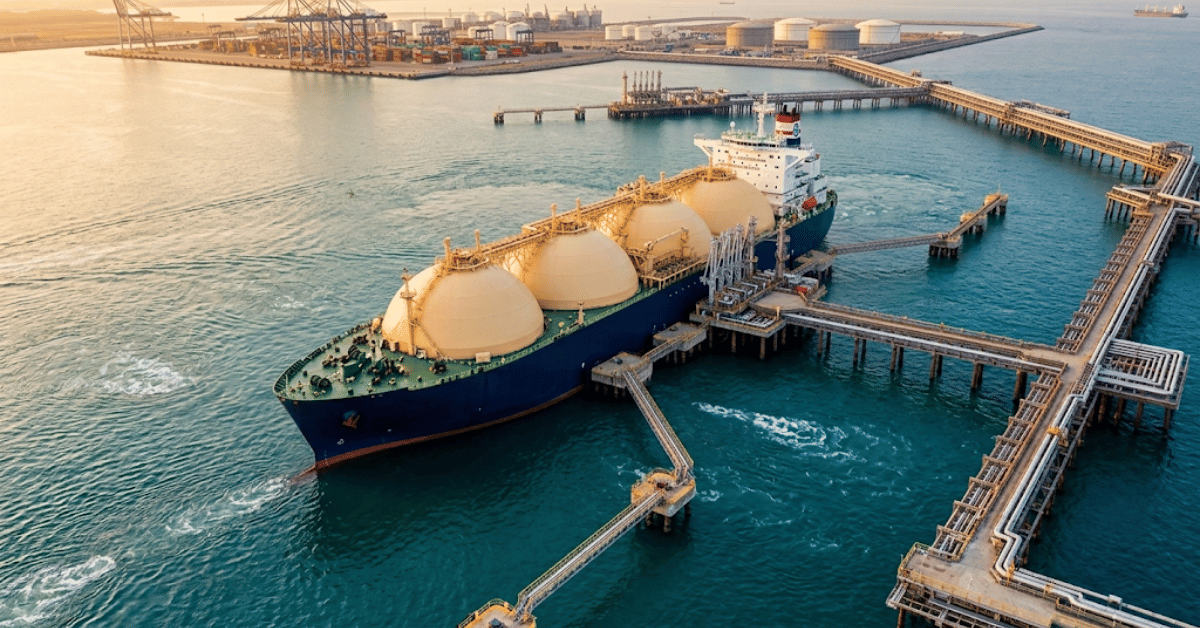
Optimal LNG Carrier Design: Boosting Capacity, Reducing Costs
A 200,000m³ LNG carrier can move more gas per voyage without sacrificing access to the terminals that matter most. LR's analysis shows that this larger capacity directly reduces unit transport costs while staying compatible with the majority of existing infrastructure. That is practical efficiency, not speculative ambition. For readers tracking how maritime logistics adapt under pressure, our piece on Gulf of Oman STS transfers maxing out offers a useful parallel.
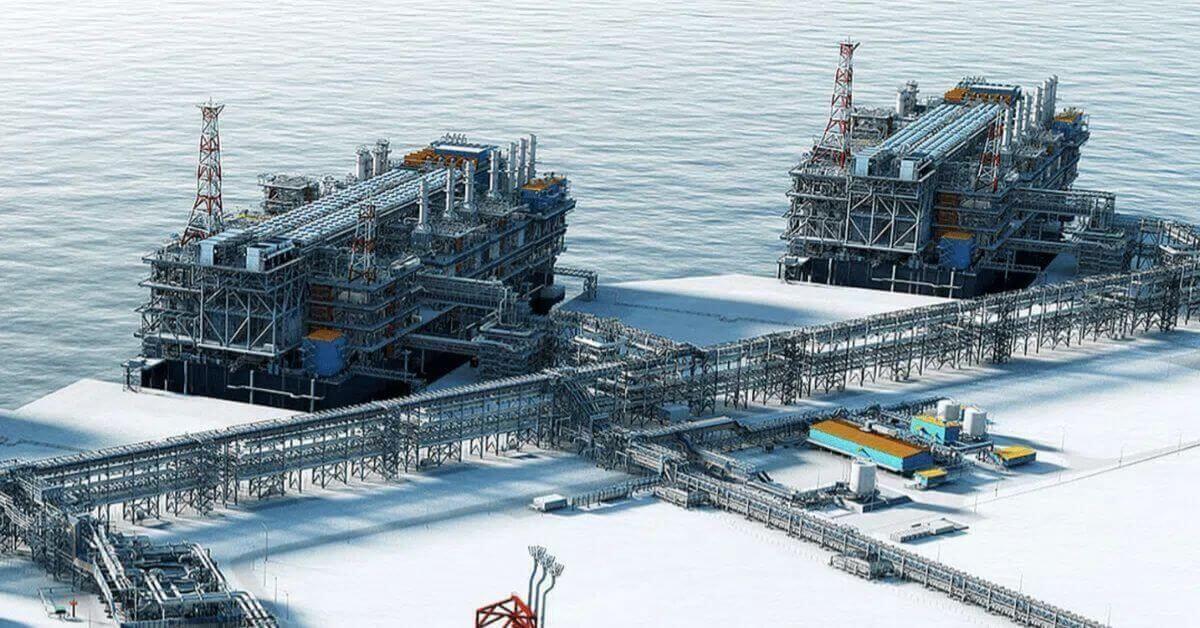
Arctic LNG 2 Seeks $1 Billion in Arbitration Against Hanwha Ocean
Arctic LNG 2 has filed a $1 billion arbitration claim against Hanwha Ocean in Singapore, a direct consequence of a terminated shipbuilding contract. This legal action underscores the high stakes of Arctic infrastructure development amid mounting geopolitical friction. The claim is a calibrated move, reflecting the measurable financial impact of disrupted supply chains. For deeper context on Russia's Arctic maritime strategy, see our coverage of the Northern Sea Route icebreaker fleet financing.
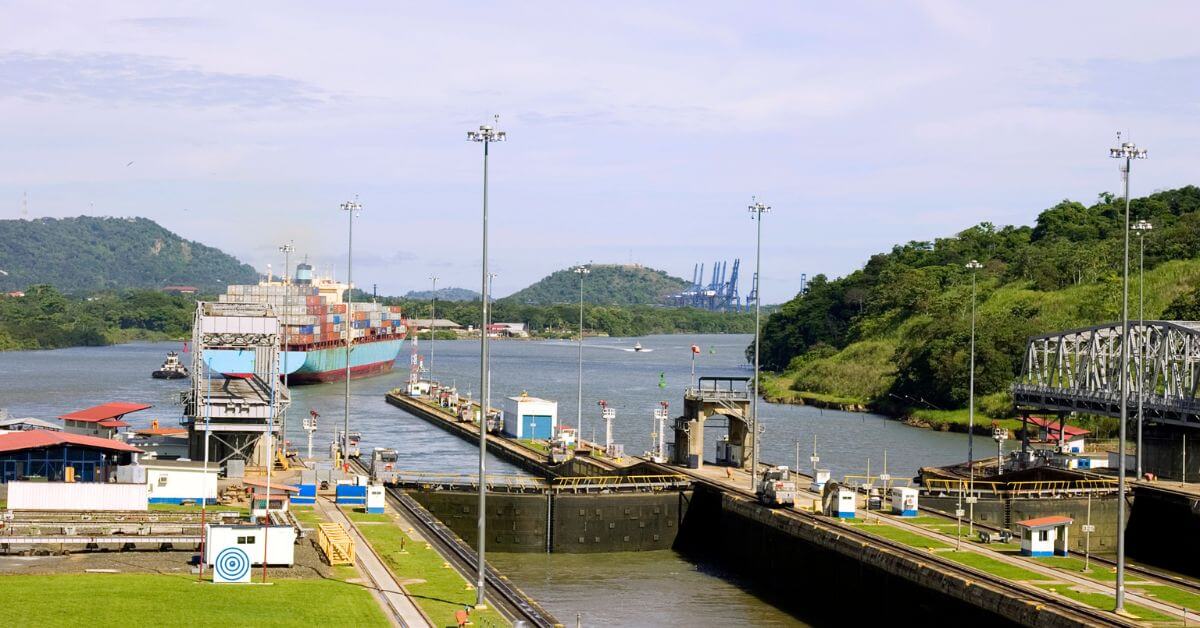
Record Canal Transit Fee Reflects Growing Demand for Ocean Routes
A $5.3 million bid for a single Panama Canal transit slot signals more than deep pockets; it reflects a strategic response to tightening global routes. SK Gas has secured passage for its LPG carrier G. Spirit on Sept. 1, paying a premium that underscores the growing value of reliable ocean corridors. This is the cost of certainty in a constrained system. As demand intensifies, such investments become necessary.
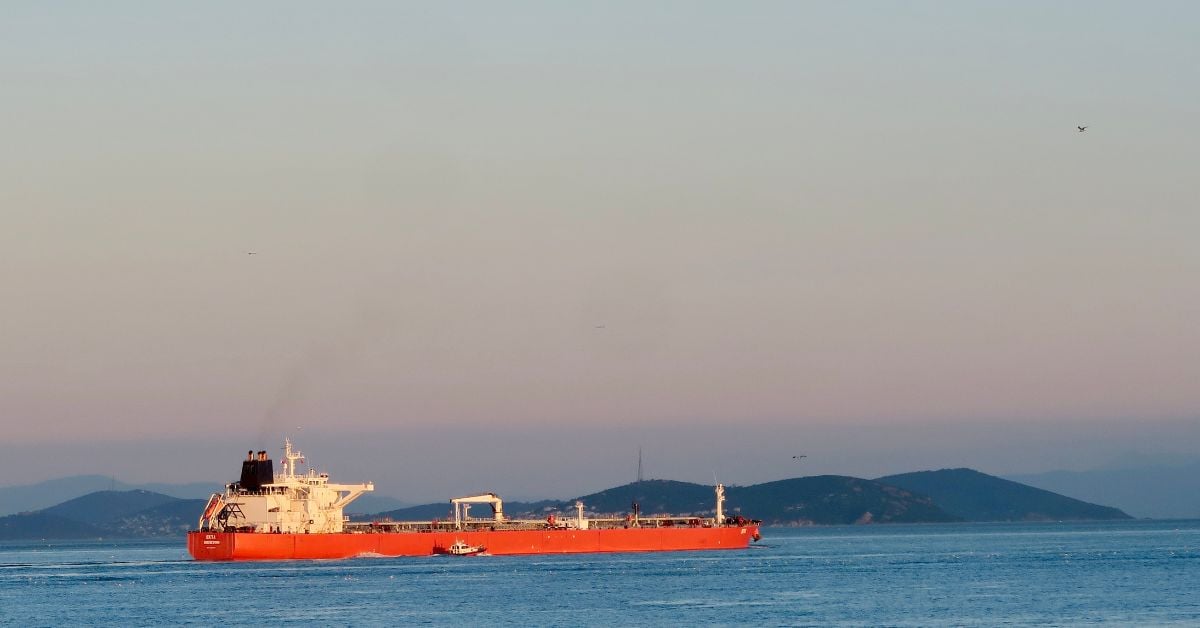
Tensions Rise: Tanker Seized Near Strait of Hormuz Impacts Shipping.
The towing of a seized products tanker to the northern side of the Strait of Hormuz signals a deliberate escalation in a volatile maritime corridor. This isn't a random act; it's a calculated move with direct consequences for shipping traffic. The incident underscores how fragile the region's sea lanes remain. For context on the broader logistical pressures at play, our related coverage on Gulf of Oman STS transfers maxing out highlights the strain on regional oil movements.

Shipping Activity in Strait of Hormuz Declines Amid Rising Tensions
Shipping activity in the Strait of Hormuz has slowed markedly as regional tensions rise, with liquefied natural gas traffic particularly hard hit. No LNG carriers have transited the strait since Thursday, a telling sign of how quickly commercial risk reshapes movement through a critical maritime corridor. The data is measurable, and the trend is clear. For those tracking broader patterns, our coverage of Gulf of Oman STS transfers maxing out amid rising Saudi oil exports offers useful context.

Scrutiny Intensifies: EU Lawmakers Urge Halt to Russian LNG Repairs.
More than 100 European lawmakers are pressing Denmark's Fayar Shipyard to stop servicing Russian LNG carriers that move Arctic gas. The pressure is direct and measurable, a clear signal that energy logistics are now part of the accountability chain. Repairs of this scale carry weight beyond the hulls they sustain. For related context on how Russia is recalibrating its Arctic export infrastructure, see our coverage of Russia Calibrates Export Revenue for Northern Sea Route Icebreaker Fleet. The scrutiny is warranted, and the implications are substantial.