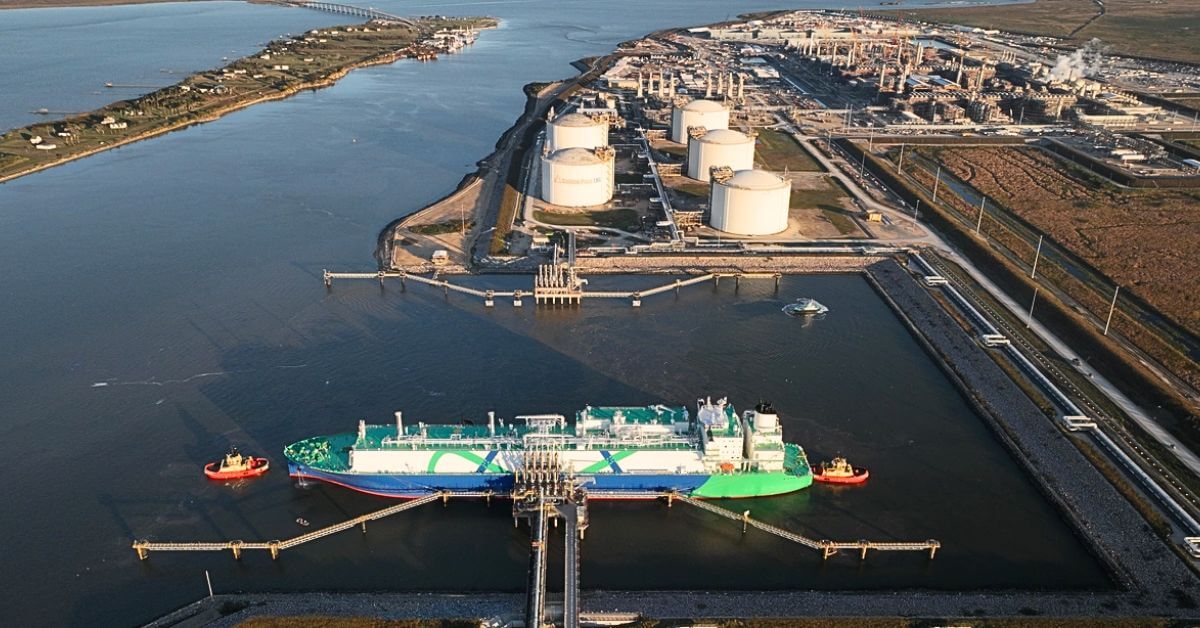
The commencement of operations at Golden Pass LNG represents a significant development in the global energy landscape, particularly for the United States. This milestone signifies the facility's readiness to dispatch its inaugural liquefied natural gas (LNG) cargo from its strategic location in Sabine Pass, Texas. The successful initiation of operations underscores the intricate interplay of technological innovation, substantial investment, and complex logistical planning required to bring such large-scale energy infrastructure online. For World Data Ocean, this event prompts a consideration of the broader implications for ocean health and environmental stewardship, recognizing that advancements in energy production are inextricably linked to the well-being of our planet's marine ecosystems.
The operationalization of Golden Pass LNG, a project involving substantial international collaboration, highlights the global demand for diverse energy sources. While the immediate focus is on the delivery of vital energy resources, it is imperative to contextualize such developments within the framework of long-term ocean intelligence and sustainable practices. World Data Ocean's commitment to providing validated, measurable data on oceanographic conditions, including the impact of industrial activities, becomes increasingly relevant. Understanding the environmental footprint of projects like Golden Pass, from construction to ongoing operations and transportation, requires a comprehensive, integrated data ecosystem. This allows for the calibrated assessment of potential impacts on marine life, water quality, and broader climate indicators.
From our perspective at World Data Ocean, the journey from concept to operational reality for facilities like Golden Pass is a testament to human ingenuity. However, this ingenuity must be guided by a profound sense of responsibility towards the ocean, which serves as a critical regulator of our planet's climate and a vital resource for all life. Our role is to ensure that the scientific understanding of the ocean keeps pace with industrial advancements, providing the empirical data necessary for informed decision-making. By fostering global collaboration and leveraging innovative technologies for data collection and analysis, we aim to illuminate the path towards a future where energy needs are met without compromising the health and resilience of our shared ocean. The insights derived from this ongoing data collection are crucial for informing policy, driving conservation efforts, and ultimately, safeguarding the ocean for generations to come.