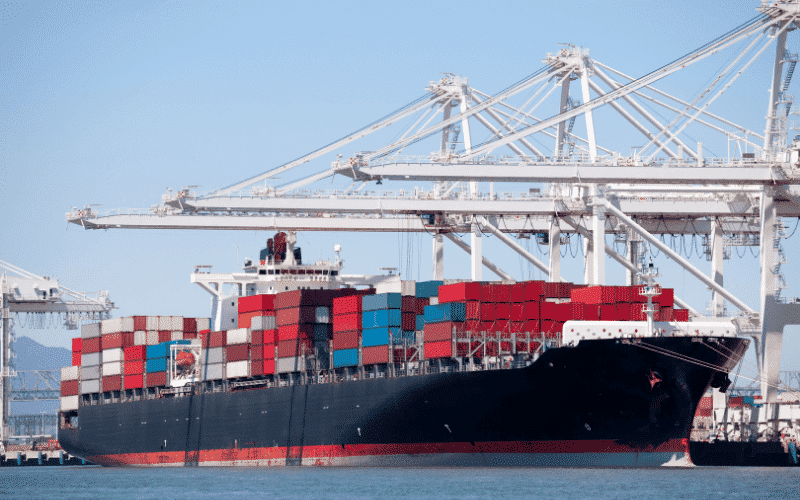
Container ships serve as the backbone of global trade, carrying an astounding 90% of the world's packaged goods. Their evolution from humble beginnings to today's advanced vessels showcases not only technological innovation but also the complexities of international logistics. As we delve into the historical context, types, and operational mechanics of container ships, it becomes clear that understanding their impact extends beyond mere shipping logistics; it touches on economic, environmental, and societal dimensions. For those interested in the broader spectrum of maritime transport, exploring related vessel types such as bulk carriers can enhance our understanding of cargo transportation's multifaceted nature, as seen in our article on What Are Bulk Carrier Ships? Types, Sizes, & How They Work.
The inception of container shipping in 1956, marked by the SS Ideal X's journey, revolutionized the way goods are transported across the globe. This transformation not only streamlined shipping processes but also significantly reduced costs, contributing to the phenomenon of globalization. Today, container ships come in seven distinct size classes, each designed to optimize capacity and efficiency. This categorization is not merely academic; it reflects the intricate interplay between design, trade routes, and the economic realities of maritime commerce. The shift towards larger vessels, known as megaships, emphasizes the industry's response to increasing demand and the need for efficient logistics. As readers consider the implications of these developments, they should reflect on how such advancements in shipping technology will continue to shape global trade dynamics.
However, the rise of container shipping is not without challenges, particularly in terms of environmental impact. While these vessels facilitate an unprecedented flow of goods, they also contribute significantly to emissions and marine pollution. As the maritime industry faces increasing scrutiny over its environmental footprint, it must navigate the complexities of balancing efficiency with sustainability. The ongoing discourse around cleaner shipping practices parallels the urgency of addressing climate change, making it imperative for stakeholders to adopt innovative solutions. This concern aligns with the broader conversation about ocean stewardship, which emphasizes the need for responsible practices in marine logistics. The insights gained from examining the operational mechanics of container ships can inform our approach to mitigating their environmental impacts.
Looking forward, the future of containerisation appears poised for further transformation. The integration of technology, such as real-time monitoring systems and data analytics, promises to enhance operational efficiency and reduce environmental impacts. As we adapt to changing global demands and climate realities, the maritime industry must embrace a forward-thinking mindset that prioritizes sustainability alongside economic viability. This evolution raises pertinent questions: How will emerging technologies continue to reshape the container shipping landscape? What role will international collaboration play in addressing the environmental challenges posed by these massive vessels? As we ponder these questions, it becomes evident that understanding the intricacies of container ships is crucial not only for industry professionals but for anyone invested in the health of our oceans and the future of global trade.