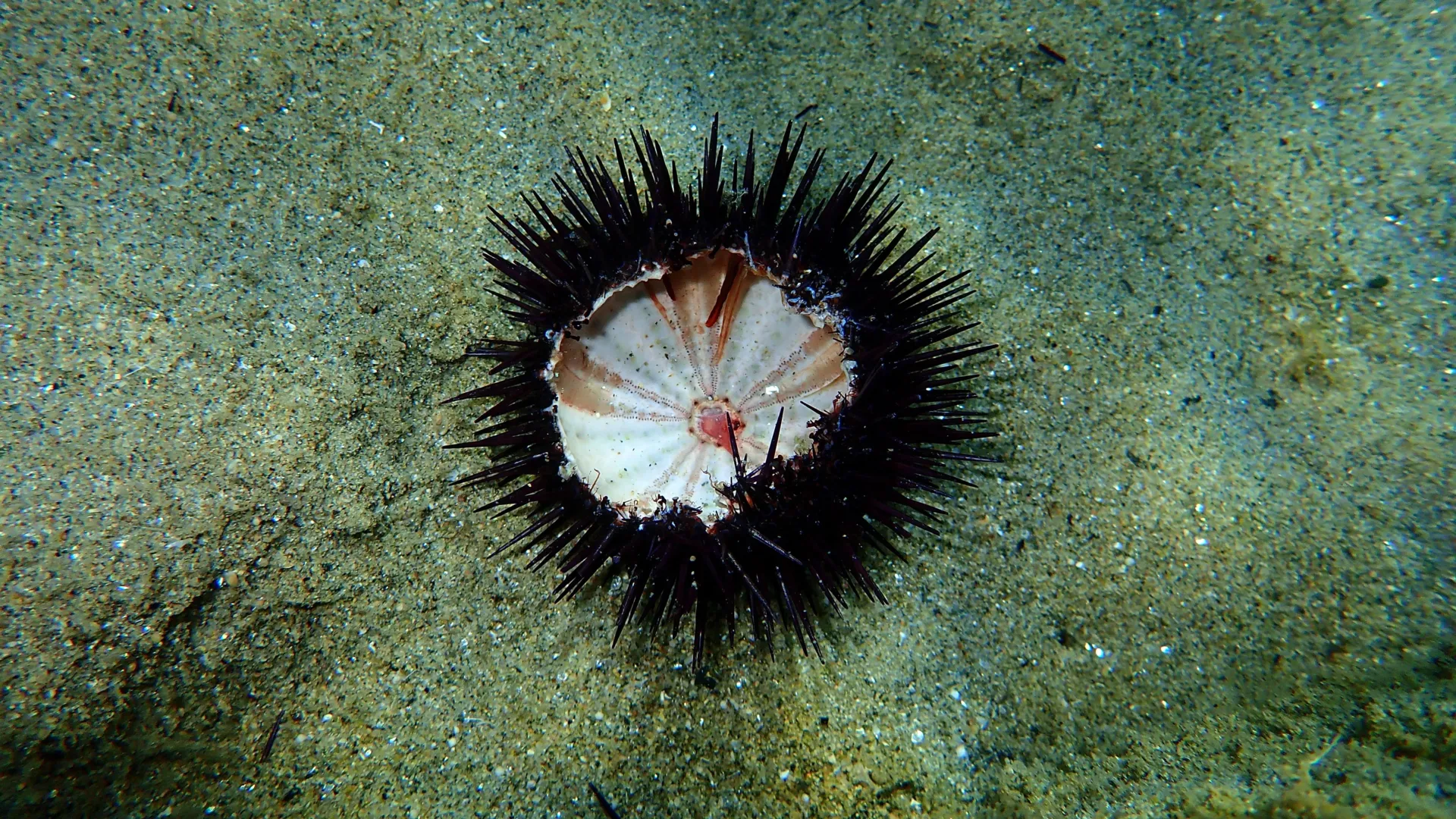
The current global decline in sea urchin populations represents a critical inflection point for marine ecosystems. This widespread die-off, affecting key reef-grazing species and reaching unprecedented lows in regions like the Canary Islands, underscores the interconnectedness of marine life. The inability of these vital organisms to reproduce in affected areas signals a profound disruption, highlighting the urgency of scientific investigation and collaborative action. Understanding the precise drivers behind this phenomenon, whether a novel pathogen or a confluence of environmental stressors, is paramount to safeguarding the health and resilience of coral reefs worldwide.
At World Data Ocean, we recognize that comprehensive data and rigorous analysis are the bedrock of effective ocean stewardship. The current crisis demands a swift and integrated approach, leveraging advanced technological capabilities to monitor these declines in real-time, identify potential causal agents, and track the cascading impacts on reef biodiversity. Our commitment to fostering global collaboration means connecting researchers, conservationists, and policymakers across geographical boundaries. By providing a validated, integrated data ecosystem, we empower the scientific community to share findings, accelerate diagnosis, and develop evidence-based solutions. This collective intelligence is not merely beneficial; it is essential for navigating complex ecological challenges that transcend national borders.
The implications of a severely diminished sea urchin population extend far beyond the immediate loss of a single species. These organisms play an indispensable role as herbivores, controlling algal growth and maintaining the structural integrity of coral reefs. Without their diligent grazing, reefs become susceptible to algal overgrowth, leading to a decline in biodiversity and the loss of critical habitat for countless marine species. This scenario has significant implications for coastal communities that rely on healthy reefs for fisheries, tourism, and shoreline protection. Addressing this unfolding pandemic requires a purpose-driven approach, grounded in scientific understanding and a shared commitment to the long-term health of our oceans. Our collective efforts must focus on translating empirical data into actionable insights, ensuring that the vital functions of these ecosystems are preserved for future generations.