Our Take
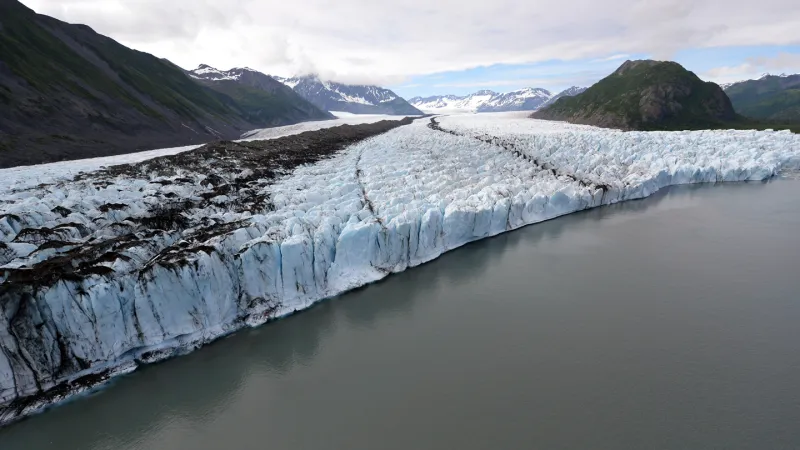
The expansion of glacial lakes in Alaska, as glaciers retreat, presents a compelling illustration of dynamic environmental shifts and their potential to reshape ecosystems. This phenomenon, where once barren glacial basins transform into new bodies of water, is directly linked to the observable impacts of climate change. As ice mass diminishes, it exposes new terrain, allowing meltwater to accumulate and form these expanding lakes. The scientific community meticulously tracks these changes, utilizing satellite imagery and on-the-ground measurements to validate the scale and pace of glacial retreat. This data, often gathered through longitudinal studies, provides empirical evidence of a warming planet and its profound effects on glacial environments.
The emerging glacial lakes hold significant promise for the restoration and expansion of vital salmon habitat. Historically, glacial rivers, characterized by their high sediment loads and fluctuating flows, have posed considerable challenges for salmon populations. The creation of more stable, nutrient-rich lake environments offers a refuge and a potential breeding ground. This development is not merely an observation; it is a measurable outcome that can be integrated into broader conservation strategies. By understanding the hydrological and ecological implications of these new lakes, we can better predict and support the return of salmon, a keystone species crucial to both the Alaskan ecosystem and the communities that depend on it. This underscores the importance of real-time monitoring and integrated data analysis in our understanding of environmental change.
This transformation highlights the intricate connectivity within natural systems and the critical role of scientific inquiry in navigating these complexities. World Data Ocean is dedicated to providing the validated, peer-reviewed data that underpins such critical observations. Our integrated data ecosystem allows for the longitudinal tracking of environmental indicators, from glacial mass balance to the potential for new habitat formation. By fostering global collaboration among researchers and making this ocean intelligence accessible, we empower informed decision-making. The expansion of Alaskan glacial lakes serves as a powerful reminder that while environmental challenges are significant, understanding and innovation can reveal pathways toward ecological resilience and the preservation of biodiversity for future generations.