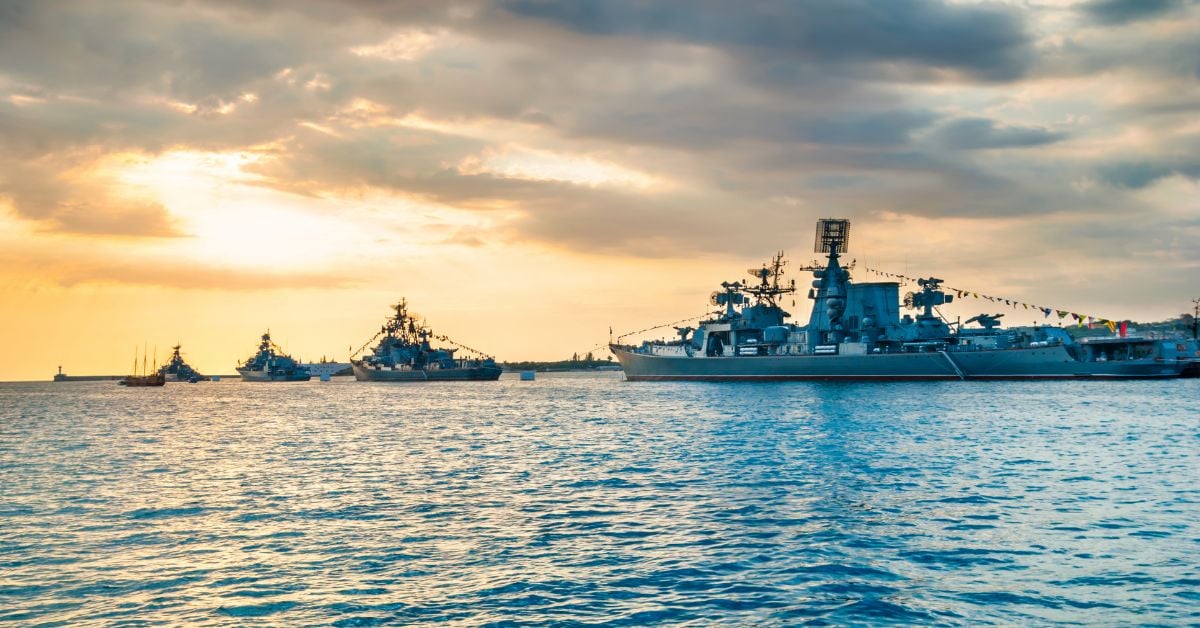
Germany's decision to arm its F125 frigates with the IRIS-T SLM missile system is a measured, overdue correction to a design flaw that should never have been accepted. When the Baden-Württemberg class was commissioned without medium- or long-range air defense, it was a gamble on a benign threat environment, a gamble that failed spectacularly in 2024, when one of these 7,200-ton warships was forced to detour around Africa rather than transit the Red Sea. That detour was not a tactical choice; it was a public admission of vulnerability. The new contract, signed on October 2, 2026, with Diehl Defence, finally closes that gap with a system proven in combat. For navies operating in increasingly contested waters, this retrofit offers a clear lesson: ship designs must anticipate threats, not react to them after the fact. The timing also connects directly to broader questions of maritime security. As our coverage of Shipping Route Stability: Iran Maintains Control of Strait of Hormuz shows, the pause in fighting in that region eases immediate concerns, but the underlying reality remains that critical chokepoints are held by actors with little incentive to guarantee free passage. A frigate that cannot defend itself against aerial threats is a liability, not an asset, in such environments.
What makes this upgrade noteworthy is not just the missile itself, but the integration method chosen. Diehl will mount the launchers directly on the deck, bypassing the costly structural modifications required for a vertical launching system. Each frigate will carry two launchers with a total of 32 IRIS-T SLM missiles, offering an interception range of 40 kilometers and an operational altitude of 20 kilometers. This approach is pragmatic: it avoids the expensive, time-consuming retrofitting of below-deck systems while still providing meaningful defensive coverage. The successful live-fire tests off Norway in October 2025, where a navalized module engaged multiple targets using the ship's own radar data, validated the concept. From a cost-efficiency and deployment speed standpoint, this is the right call. But it also raises a question about future-proofing. By committing to a deck-mounted solution, Germany is implicitly betting that the current threat envelope, drones, cruise missiles, and aircraft at medium ranges, will not expand significantly before the F125 class reaches the end of its service life. That is a bet worth watching.
The practical takeaway for policymakers and naval planners is straightforward: modular, above-deck missile integration is now a viable alternative to traditional VLS for ships designed without it. This is not a compromise; it is an adaptation that leverages proven technology without requiring a full redesign. The German Navy's experience demonstrates that a ship's combat system can be upgraded meaningfully without dry-dock overhauls, provided the integration is tested rigorously. For operators of other surface combatants with similar capability gaps, and there are many, the F125 retrofit provides a replicable template. The specific detail to watch is how Diehl handles the software integration across all four frigates, since the hardware is only half the equation.
One open question remains: will the addition of the IRIS-T SLM change how Germany deploys these frigates in high-threat zones like the Red Sea, or will operational commanders still view them as too vulnerable for forward presence? The 2024 detour was a stark signal, and this upgrade is a direct response to it. The next time a German frigate sails for the Indo-Pacific, its route will tell us whether the fix was enough.